
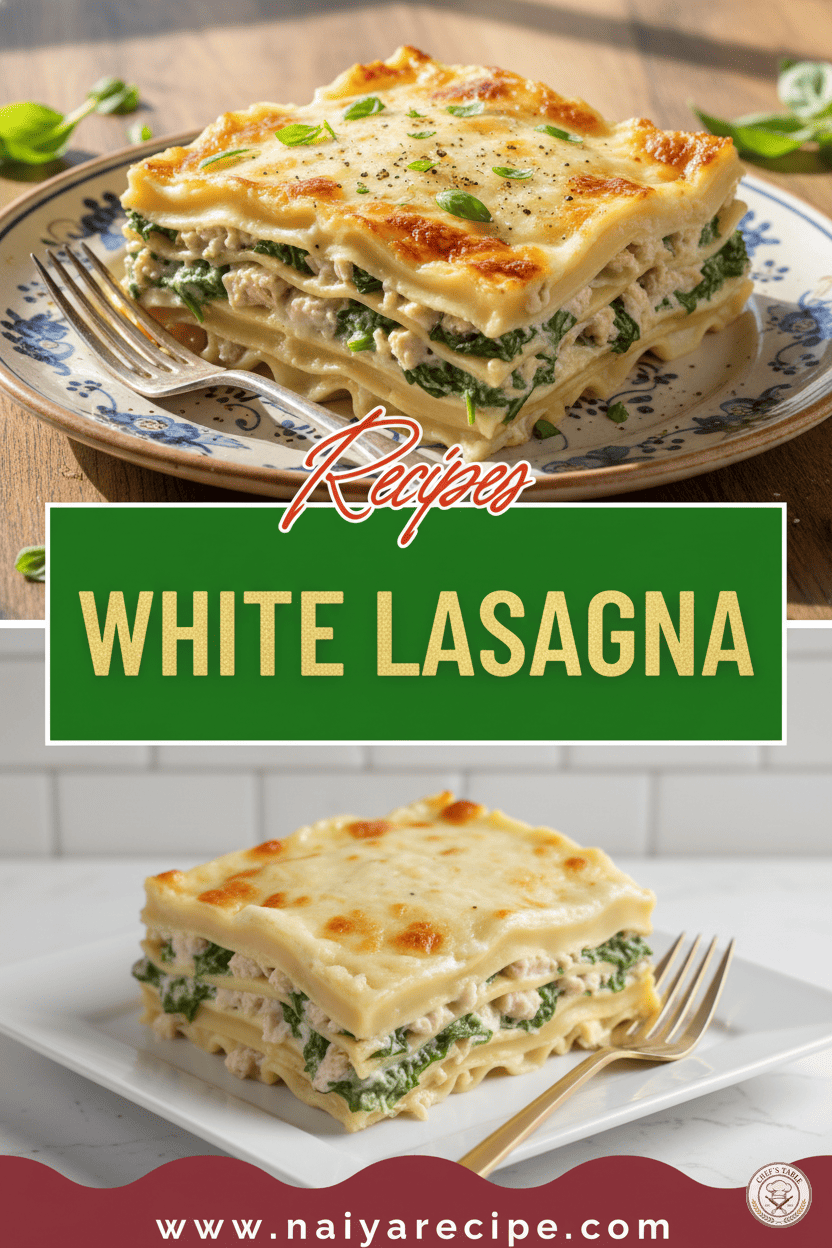
White lasagna, often known as Lasagna Bianca, is a delightful twist on the classic Italian dish, replacing the traditional tomato-based sauce with a rich and creamy béchamel. This elegant dish offers a comforting and sophisticated flavor profile, making it a perfect meal for special occasions or a cozy family dinner. The layers of tender pasta, savory filling, and luxurious white sauce baked to golden perfection create an unforgettable culinary experience.
The Allure of White Lasagna
While red sauce lasagna holds a special place in many hearts, white lasagna brings a different kind of magic to the table. Its creamy, often cheese-laden béchamel sauce provides a velvety texture and a milder, yet deeply satisfying, flavor that allows other ingredients to shine. This variation is particularly appealing for those who prefer cream-based dishes or are looking for a lighter, less acidic alternative to tomato-heavy meals.
The beauty of white lasagna lies in its versatility. While the core elements remain the same – pasta, a creamy sauce, and a savory filling – the specific ingredients for the filling can be endlessly customized. This recipe will focus on a delicious and widely loved version, ensuring a harmonious balance of flavors and textures.
Crafting the Perfect Béchamel: The Heart of White Lasagna
The béchamel sauce is arguably the most crucial component of white lasagna. A well-made béchamel is smooth, lump-free, and rich, providing the foundational creaminess that binds the dish together.
Ingredients for Béchamel:
- 1/2 cup unsalted butter
- 1/2 cup all-purpose flour
- 6 cups whole milk, warmed
- 1 teaspoon salt
- 1/2 teaspoon white pepper (or black pepper if white is unavailable)
- Pinch of freshly grated nutmeg (optional, but highly recommended for depth)
Instructions for Béchamel:
- Melt the Butter: In a large saucepan or Dutch oven, melt the butter over medium heat.
- Add Flour (Roux): Once the butter is melted and sizzling slightly, whisk in the flour. Continue whisking constantly for 1-2 minutes to cook out the raw flour taste. This mixture is called a roux, and it’s essential for thickening the sauce. Do not let it brown.
- Gradually Add Milk: Slowly pour in the warmed milk, a little at a time, whisking continuously to prevent lumps. It’s crucial to add the milk gradually, ensuring each addition is fully incorporated before adding more. The sauce will initially be very thick, then gradually thin out as more milk is added.
- Simmer and Thicken: Once all the milk is added, bring the sauce to a gentle simmer, whisking frequently. Reduce the heat to low and continue to cook, stirring occasionally, for 8-10 minutes, or until the sauce has thickened to a consistency that coats the back of a spoon.
- Season: Remove from heat and stir in the salt, white pepper, and nutmeg (if using). Taste and adjust seasoning as needed. Cover the sauce directly with plastic wrap to prevent a skin from forming while you prepare the other components.
The Savory Filling: A Blend of Flavors
For a truly satisfying white lasagna, the filling should be flavorful and complement the creamy béchamel. This recipe will feature a delectable combination that is both hearty and delicious.
Ingredients for the Filling:
- 2 tablespoons olive oil
- 1 large onion, finely chopped
- 3 cloves garlic, minced
- 1 pound ground chicken or turkey
- 10 ounces fresh spinach, roughly chopped (or 10 ounces frozen spinach, thawed and squeezed dry)
- 15 ounces ricotta cheese
- 1 large egg
- 1/2 cup grated Parmesan cheese
- 1/4 teaspoon salt
- 1/8 teaspoon black pepper
- 1/4 cup chopped fresh parsley, plus more for garnish
Instructions for the Filling:
- Sauté Aromatics: Heat the olive oil in a large skillet over medium heat. Add the chopped onion and cook until softened and translucent, about 5-7 minutes. Add the minced garlic and cook for another minute until fragrant.
- Brown Ground Meat: Add the ground chicken or turkey to the skillet. Break it up with a spoon and cook until browned, ensuring no pink remains. Drain any excess fat.
- Add Spinach: Stir in the fresh spinach (or thawed and squeezed dry frozen spinach). Cook until the spinach has wilted and any remaining moisture has evaporated. Remove from heat and let cool slightly.
- Prepare Ricotta Mixture: In a medium bowl, combine the ricotta cheese, egg, grated Parmesan cheese, salt, and black pepper. Mix until well combined.
- Combine Filling Ingredients: Add the cooled ground meat and spinach mixture to the ricotta mixture. Stir in the chopped fresh parsley. Mix everything thoroughly to ensure all ingredients are evenly distributed.
Assembling Your Masterpiece: Layers of Delight
With the béchamel and filling ready, it’s time to bring all the components together to create a stunning white lasagna.
Additional Ingredients for Assembly:
- 12-16 lasagna noodles (oven-ready or traditional, cooked according to package directions)
- 4 cups shredded mozzarella cheese
- 1/2 cup grated Parmesan cheese (for topping)
Instructions for Assembly:
- Preheat Oven: Preheat your oven to 375°F (190°C).
- Prepare Baking Dish: Lightly grease a 9×13-inch baking dish.
- First Layer of Béchamel: Spread a thin layer of béchamel sauce (about 1 cup) on the bottom of the prepared baking dish. This prevents the noodles from sticking and adds flavor from the base.
- First Layer of Noodles: Arrange a single layer of lasagna noodles over the béchamel sauce. If using traditional noodles, ensure they are cooked al dente and drained well. For oven-ready noodles, no pre-cooking is necessary. You may need to overlap the noodles slightly to fit the dish.
- First Layer of Filling: Evenly spread half of the ricotta and meat filling over the noodles.
- First Layer of Mozzarella: Sprinkle generously with about 1 cup of shredded mozzarella cheese.
- Second Layer of Béchamel: Spoon about 1.5 cups of béchamel sauce over the mozzarella layer, spreading it gently to cover.
- Repeat Layers: Place another layer of lasagna noodles over the béchamel.
- Second Layer of Filling: Spread the remaining half of the ricotta and meat filling over these noodles.
- Second Layer of Mozzarella: Sprinkle with another 1 cup of shredded mozzarella cheese.
- Third Layer of Béchamel: Spoon another 1.5 cups of béchamel sauce over the mozzarella.
- Final Noodle Layer: Add the last layer of lasagna noodles.
- Final Béchamel and Cheese: Pour the remaining béchamel sauce over the top noodles, ensuring they are fully covered.
- Top with Cheese: Sprinkle generously with the remaining 2 cups of shredded mozzarella cheese and the 1/2 cup of grated Parmesan cheese. This will create a beautiful golden-brown crust.
Baking to Perfection
Baking the white lasagna is the final step in bringing all the flavors together and achieving that irresistible golden-brown crust.
Baking Instructions:
- Cover and Bake: Cover the baking dish tightly with aluminum foil. Bake for 25 minutes. Covering helps the lasagna cook through evenly and prevents the top from browning too quickly.
- Uncover and Brown: Remove the foil and bake for an additional 20-30 minutes, or until the top is bubbly, golden brown, and the edges are slightly crispy. If the top is browning too quickly, you can loosely tent it with foil again.
- Rest: Once baked, remove the lasagna from the oven and let it rest for at least 15-20 minutes before slicing and serving. This crucial resting period allows the layers to set, preventing the lasagna from falling apart when cut.
Serving Suggestions
White lasagna is a complete meal on its own, but it pairs wonderfully with a few simple accompaniments.
- Fresh Green Salad: A crisp green salad with a light vinaigrette provides a refreshing contrast to the richness of the lasagna.
- Crusty Bread: Serve with warm, crusty bread to soak up any extra creamy sauce.
- Steamed Vegetables: Lightly steamed asparagus or green beans make a great side.
Garnish individual servings with a sprinkle of fresh parsley for a touch of color and freshness.
Tips for Success
- Warm Milk for Béchamel: Using warmed milk for the béchamel helps prevent lumps and allows the sauce to thicken more smoothly.
- Whisk Continuously: Constant whisking is key, especially when adding milk to the roux, to ensure a smooth, lump-free béchamel.
Don’t Overcook Noodles: If using traditional lasagna noodles, cook them al dente* as they will continue to cook in the oven. Overcooked noodles will become mushy.
- Adjust Seasoning: Taste the béchamel and the filling before assembling and adjust salt and pepper as needed.
- Resting Time is Essential: Do not skip the resting time after baking. It’s vital for the lasagna to hold its shape when served.
- Make Ahead: White lasagna is an excellent make-ahead dish. You can assemble it a day in advance, cover it tightly, and refrigerate. Add an extra 10-15 minutes to the covered baking time if baking from cold. You can also bake it, cool it completely, and freeze it. Thaw in the refrigerator overnight before reheating.
Variations and Customizations
One of the joys of white lasagna is its adaptability. Here are a few ideas to inspire your own culinary creations:
- Vegetarian White Lasagna: Omit the ground chicken/turkey and instead add sautéed mushrooms, zucchini, bell peppers, or additional spinach to the ricotta mixture.
- Seafood White Lasagna: For a luxurious touch, consider adding cooked shrimp or flaked cooked fish (such as cod or salmon) to the filling.
- Herbs: Experiment with different herbs in the béchamel or filling. Thyme, sage, or oregano can add delightful nuances.
- Cheese Variations: While mozzarella and Parmesan are standard, feel free to incorporate other cheeses like Gruyère for a nutty flavor, or provolone for a sharper taste.
- Spices: A tiny pinch of cayenne pepper in the béchamel can add a subtle warmth without making it spicy.
Conclusion
White lasagna is more than just a meal; it’s an experience. The creamy layers, savory filling, and golden-brown crust come together to create a dish that is both comforting and sophisticated. Whether you’re preparing it for a special gathering or a quiet evening at home, this recipe is sure to impress. With its rich flavors and elegant presentation, white lasagna offers a delightful alternative to its tomato-based cousin, proving that sometimes, white is indeed the new red. Enjoy the process of creating this culinary masterpiece, and savor every delicious bite!