
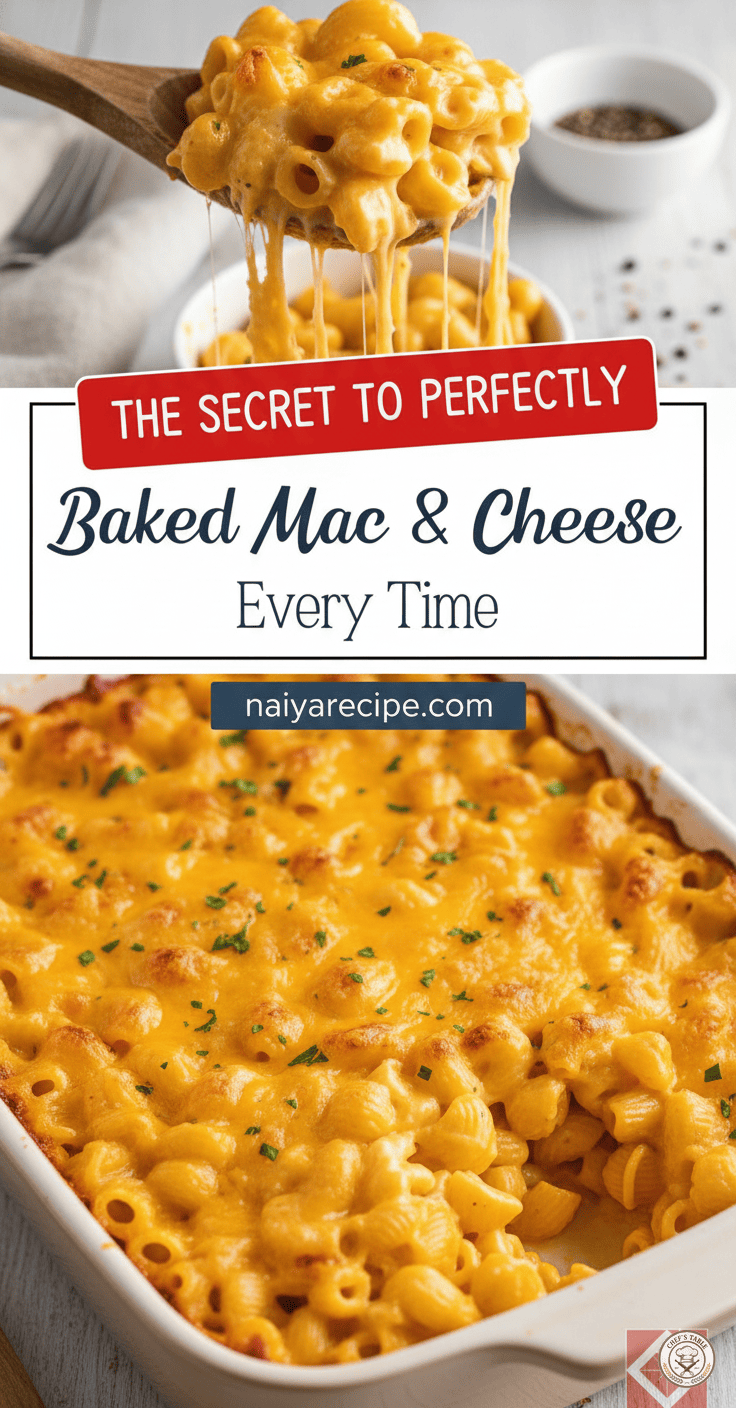
Welcome, fellow food enthusiasts, to the ultimate guide to achieving mac and cheese perfection! There’s something undeniably comforting and deeply satisfying about a bubbling, golden-brown casserole dish filled with creamy, cheesy macaroni. It’s a classic for a reason, a dish that evokes warmth, nostalgia, and pure culinary joy. But achieving that perfectly baked mac and cheese – the kind with a glorious crust, tender pasta, and an impossibly smooth, rich cheese sauce – can sometimes feel like a culinary quest.
Fear not, for today we unlock the secrets! Forget dry, crumbly mac and cheese or sauces that break. We’re diving deep into the science and art of this beloved dish, ensuring that every single time you pull it from the oven, it’s nothing short of spectacular. This isn’t just a recipe; it’s a methodology, a philosophy, a love letter to the humble yet magnificent mac and cheese.
The Foundation: Understanding Your Ingredients
Great mac and cheese starts with great ingredients. It’s not just about tossing things together; it’s about understanding what each component brings to the party.
1. The Pasta: Not All Macaroni Is Created Equal
While “macaroni” is in the name, you have choices! Elbow macaroni is the classic, with its small, curved shape perfect for trapping cheesy sauce. However, don’t be afraid to experiment with other short, tubular pasta shapes like cavatappi, shells, or even penne. The key is to choose a shape that holds the sauce well and provides a satisfying bite.
- Pro Tip for Cooking: Always cook your pasta al dente – meaning it still has a slight bite to it. Remember, it will continue to cook in the oven, so slightly undercooking it on the stovetop prevents it from becoming mushy later. A minute or two less than the package directions is usually ideal.
2. The Cheese: The Heart and Soul
This is where the magic truly happens. A single cheese can be good, but a blend of cheeses creates a complex, multi-layered flavor profile and superior texture.
- Melting Powerhouses: For an incredibly smooth and creamy sauce, you need cheeses with excellent melting properties.
- Sharp Cheddar: The undisputed champion. Its robust flavor is essential. Opt for a good quality block of sharp or extra-sharp cheddar and grate it yourself. Pre-shredded cheese often contains anti-caking agents that can make your sauce gritty.
- Gruyère: A sophisticated choice that adds a nutty, earthy depth. It melts beautifully and complements cheddar wonderfully.
- Fontina: Creamy, mild, and an exceptional melter. It adds a lovely elasticity to the cheese pull.
- Monterey Jack: A very mild, high-moisture cheese that contributes to extreme creaminess.
- Flavor Boosters (Use Sparingly if at all for a classic recipe):
- Smoked Gouda: For a subtle smoky note.
- Aged Parmesan or Pecorino Romano: For a salty, umami kick, but be careful not to overpower the other cheeses.
- The Golden Rule: Always grate your own cheese from blocks. This is perhaps the most critical secret to a truly smooth, velvety sauce.
3. The Dairy: Creaminess Personified
The milk and butter form the base of your béchamel, the foundation of your cheese sauce.
- Whole Milk: Full-fat whole milk is highly recommended for the richest, creamiest sauce. Low-fat milk can result in a thinner, less luxurious consistency.
- Unsalted Butter: You control the salt content. Butter adds flavor and richness.
- Cream (Optional but Recommended): A splash of heavy cream or half-and-half can elevate the sauce to an even more decadent level.
4. The Seasoning: Don’t Underestimate the Details
Salt and pepper are non-negotiable, but a few other spices can truly make your mac and cheese sing.
- Dry Mustard Powder: This is a secret weapon! It doesn’t make your mac and cheese taste like mustard; instead, it amplifies the savory notes of the cheese, making it taste “more cheesy.” A small amount goes a long way.
- Nutmeg: A tiny pinch of freshly grated nutmeg is a classic addition to béchamel sauces. It adds a subtle warmth and sophistication that is hard to place but undeniably delicious.
- Garlic Powder/Onion Powder (Optional): For an extra layer of savory flavor.
- A Touch of Spice (Optional): A dash of cayenne pepper or a pinch of red pepper flakes can add a very subtle warmth without making it spicy, further enhancing the cheese flavor.
The Technique: Mastering the Béchamel
The secret to perfectly creamy, never-breaking mac and cheese lies in a well-made béchamel sauce. This is a classic French “mother sauce” that serves as the perfect canvas for your cheese.
1. The Roux: The Thickening Powerhouse
A roux is a mixture of cooked butter and flour, and it’s what gives your béchamel its body.
- Melt the Butter: In a large saucepan or Dutch oven, melt the unsalted butter over medium heat. Don’t let it brown.
- Add Flour: Whisk in an equal amount of all-purpose flour.
- Cook the Roux: Continue whisking for 1-2 minutes. You want to cook out the raw flour taste, but don’t let it brown too much. A pale, golden roux is perfect for mac and cheese. This stage is crucial – undercooked flour will give your sauce a raw, pasty taste.
2. Gradually Add Milk
This is where precision pays off.
- Warm Milk (Optional but Recommended): Some chefs gently warm their milk before adding it to the roux to prevent lumps. It’s not strictly necessary if you whisk vigorously.
- Slow and Steady: Gradually whisk in the cold or warm whole milk, a little at a time. Start with a small amount, whisk until smooth, then add more. Continue this process, whisking constantly, until all the milk is incorporated and the sauce is smooth and lump-free.
- Simmer and Thicken: Bring the mixture to a gentle simmer, still whisking occasionally. The sauce will gradually thicken as it cooks. Continue to simmer for about 5-7 minutes, until it coats the back of a spoon. This ensures the flour is fully cooked.
3. The Cheese Infusion
Remove the béchamel from the heat before adding the cheese. This prevents the cheese from separating or becoming oily.
- Add Seasonings: Stir in your dry mustard, nutmeg, salt, and pepper at this stage.
- Incorporate Cheese: Add your freshly grated cheeses in handfuls, stirring constantly until each addition is fully melted and incorporated before adding more. The residual heat of the béchamel will melt the cheese into a luscious, smooth sauce.
- Taste and Adjust: Taste the sauce and adjust seasonings as needed. You might want a little more salt, pepper, or even a tiny bit more dry mustard.
Assembly and Baking: The Grand Finale
Now that you have your perfectly cooked pasta and your sublime cheese sauce, it’s time to bring it all together for its grand oven debut.
1. Combine and Coat
- Gentle Integration: Add the cooked, al dente pasta to the cheese sauce. Gently fold the pasta into the sauce until every piece is gloriously coated. Be careful not to mash the pasta.
2. Prepare for Baking
- Grease Your Dish: Lightly grease a large baking dish (a 9×13 inch dish is usually perfect for a standard recipe).
- Layer (Optional, but Recommended for Texture): For ultimate texture, some people like to layer their mac and cheese. Pour about half of the pasta mixture into the prepared dish. Sprinkle with a little extra grated cheese. Add the remaining pasta mixture, and then top with a final generous layer of cheese. This top layer will create that irresistible golden crust.
- Breadcrumb Topping (Optional, but Highly Recommended): For the ultimate textural contrast, consider a breadcrumb topping.
- Melt a couple of tablespoons of butter.
- Toss 1-2 cups of panko breadcrumbs (panko provides superior crispiness) with the melted butter.
- Season the breadcrumbs with a pinch of salt and pepper, and perhaps a touch of garlic powder or dried parsley.
- Evenly sprinkle the buttered breadcrumbs over the top of the mac and cheese.
3. The Bake
- Preheat Oven: Preheat your oven to 350°F (175°C).
- Bake Covered, Then Uncovered:
- Cover the baking dish loosely with aluminum foil. This helps to steam the mac and cheese, ensuring it heats through evenly without drying out, and keeps the top cheese from browning too quickly.
- Bake for 20-25 minutes covered.
- Remove the foil and continue baking for another 15-25 minutes, or until the top is golden brown and bubbly, and the sauce is deliciously thick. If you used a breadcrumb topping, this uncovered stage will crisp it up beautifully.
Broil for Extra Crispiness (Optional): For an extra-crispy, deeply golden top, you can carefully place the mac and cheese under a preheated broiler for 1-3 minutes at the very end* of baking. Watch it like a hawk, as it can go from perfect to burnt in seconds!
The Grand Reveal: Resting and Serving
Patience, my friends, patience! This final step is crucial for the best texture.
- Resting Period: Once out of the oven, resist the urge to immediately dig in! Let the mac and cheese rest for 10-15 minutes. This allows the sauce to set up a bit, preventing it from being too runny and ensuring those perfect, gooey cheese pulls.
- Serve Warm: Scoop generous portions and serve warm. This dish is best enjoyed fresh from the oven, after its brief rest.
Troubleshooting Common Mac & Cheese Problems
Even with the best intentions, things can sometimes go awry. Here’s how to avoid common pitfalls:
- Gritty Sauce:
- Cause: Pre-shredded cheese with anti-caking agents, or not cooking the roux long enough.
- Solution: Always grate your own cheese. Cook the roux for a full 1-2 minutes until slightly golden.
- Oily/Separated Sauce:
- Cause: Adding cheese to a sauce that’s too hot, or boiling the sauce after cheese is added.
- Solution: Remove the béchamel from the heat before adding cheese. Don’t let the sauce boil once cheese is incorporated.
- Dry Mac & Cheese:
- Cause: Not enough sauce for the amount of pasta, overcooking the pasta, or over-baking in the oven.
- Solution: Ensure a generous amount of sauce. Cook pasta al dente. Bake covered for the first part of baking and don’t overbake once uncovered.
- Mushy Pasta:
- Cause: Overcooking pasta before baking.
- Solution: Always cook pasta al dente, slightly undercooked, as it will continue cooking in the oven.
Variations and Enhancements
While the classic recipe is divine, there are endless ways to customize your mac and cheese:
- Add Vegetables: Steamed broccoli florets, sautéed mushrooms, caramelized onions, or roasted butternut squash can be folded into the pasta mixture.
- Herbs: Fresh chives or parsley sprinkled on top after baking add freshness and color.
- Protein Boost: Cooked shredded chicken, ground turkey, or plant-based protein alternatives can be added for a heartier meal.
- Spice It Up: A pinch of smoked paprika, a dash of hot sauce (added to the sauce), or finely diced jalapeños (deseeded for less heat) can add a delightful kick.
Why This Recipe Works: The Science Behind the Secret
The “secret” to perfectly baked mac and cheese isn’t just one thing; it’s a combination of understanding basic culinary principles:
- The Roux: It stabilizes the fat and liquids, preventing the cheese from clumping or separating. The flour’s starches swell and thicken the sauce.
- Grated Cheese: Freshly grated cheese melts smoothly and evenly because it lacks the anti-caking agents found in pre-shredded varieties, which can inhibit melting and create a grainy texture.
- Low and Slow Cheese Integration: Adding cheese off the heat and in stages allows it to melt gently without seizing up or becoming oily. High heat can cause the proteins in cheese to tighten, squeezing out the fat.
- Al Dente Pasta: Ensures the pasta remains pleasantly chewy after baking and doesn’t turn into an unappetizing mush.
- Covered Baking: Creates a steamy environment that allows the internal temperature to rise slowly, ensuring even cooking and preventing the top from drying out or burning before the inside is heated through.
- Resting Period: As the mac and cheese cools slightly, the sauce continues to thicken and set, making for better texture and less watery results when serving.
Conclusion: Your Journey to Mac & Cheese Mastery
You now possess the knowledge and techniques to conquer the art of baked mac and cheese. This isn’t just a side dish; it’s a celebration, a comforting hug in a bowl, a testament to the power of simple ingredients elevated by careful preparation.
So, gather your ingredients, put on your apron, and prepare to create the most perfectly baked mac and cheese you’ve ever tasted. Your family and friends will undoubtedly ask for the “secret,” and you can smile, knowing you’ve unlocked the magic. Enjoy the process, savor the aroma, and delight in every creamy, cheesy, golden bite. Happy cooking!