
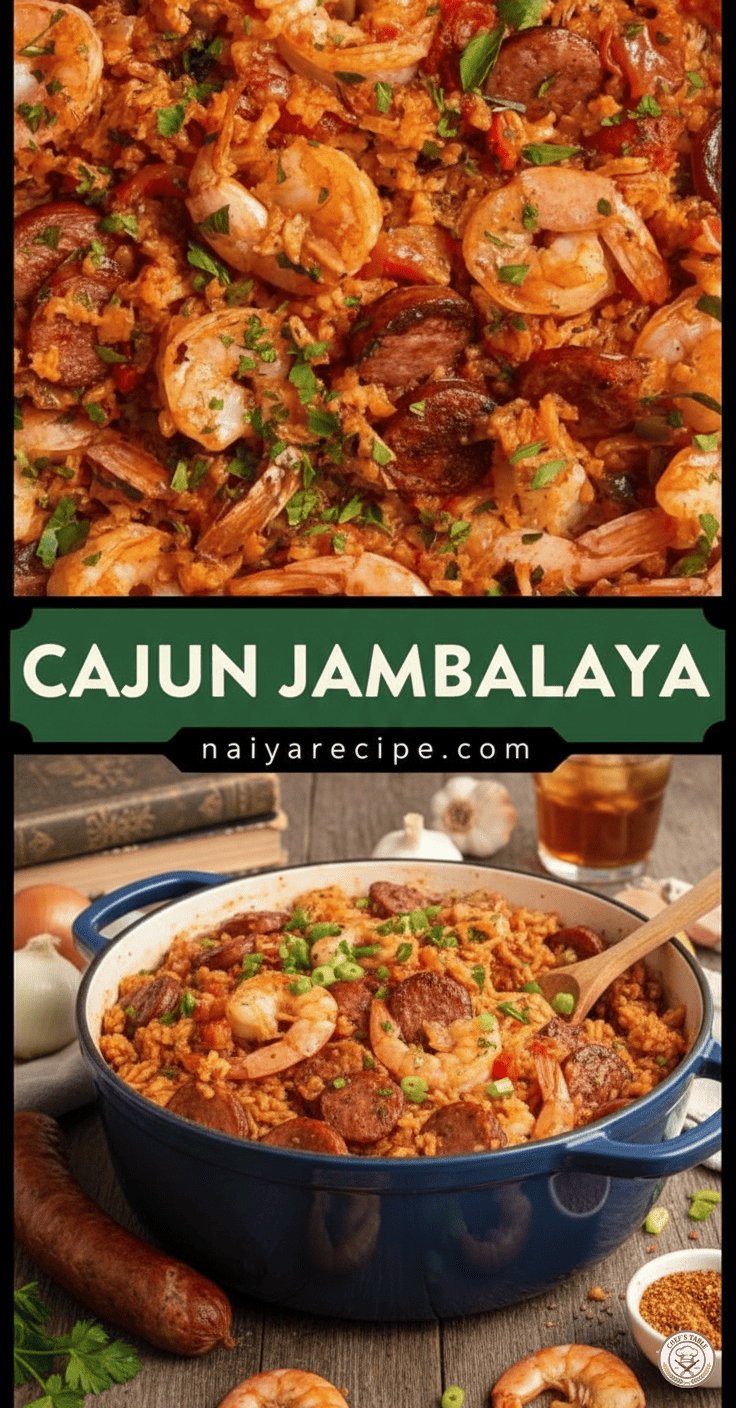
Jambalaya! The very word evokes images of vibrant gatherings, rich history, and a symphony of flavors dancing on the palate. This iconic one-pot dish, a true cornerstone of Louisiana Creole and Cajun cuisine, is more than just a meal; it’s a celebration. Today, we’re diving deep into the world of Cajun Jambalaya, exploring its roots, unraveling its culinary secrets, and guiding you through the creation of a dish that will transport your taste buds straight to the bayou.
The Soulful Story of Jambalaya
To truly appreciate Cajun Jambalaya, one must first understand its origins. The dish is a beautiful tapestry woven from various cultural threads that converged in Louisiana. Its ancestry can be traced back to the Spanish paella, brought by settlers who attempted to recreate their beloved saffron-infused rice dish in a new land where saffron was scarce. French influence, particularly from the Creole population of New Orleans, introduced a rich culinary tradition, while West African and Native American ingredients and techniques further shaped the evolving dish.
Creole Jambalaya, often associated with New Orleans, typically uses tomatoes, resulting in a reddish hue and a slightly sweeter, brighter flavor profile. Cajun Jambalaya, on the other hand, is a product of rural Louisiana, born out of necessity and ingenuity. It typically omits tomatoes and relies on a “brown roux” or the browning of meat (especially the holy trinity of onion, celery, and bell pepper) to create a darker, more robust flavor base. Our recipe today leans into this rustic, deeply savory Cajun tradition, promising a truly authentic experience.
The Pillars of Cajun Jambalaya: Building Blocks of Flavor
Every great dish has its fundamental components, and Cajun Jambalaya is no exception. Understanding these pillars is key to mastering the art of this beloved stew.
The Meats: A Trio of Textures and Tastes
In a traditional Cajun Jambalaya, the choice of meats is crucial. It’s about creating layers of flavor and texture that complement each other.
- Smoked Sausage: This is non-negotiable. Smoked sausage provides a foundational depth and a wonderful smoky aroma that permeates the entire dish. We recommend a high-quality smoked beef sausage or turkey sausage to ensure a rich, savory kick without introducing undesirable elements. The browning of the sausage renders out some fat, which then becomes the starting point for building our flavor base.
- Chicken: Lean and versatile, chicken adds a tender element and absorbs the surrounding flavors beautifully. Thighs are often preferred for their succulence and ability to withstand longer cooking times without drying out. Cutting the chicken into bite-sized pieces ensures even cooking and distribution throughout the rice.
- Shrimp: The final flourish! Shrimp are added towards the end of the cooking process to ensure they remain plump and tender, lending a delicate sweetness and a hint of the sea. Their quick cooking time makes them a perfect last-minute addition, maintaining their vibrant color and succulent texture.
The Holy Trinity: The Aromatic Heartbeat
No discussion of Louisiana cuisine is complete without mentioning the “Holy Trinity” – onions, celery, and bell peppers. This aromatic trio forms the flavor foundation for countless Cajun and Creole dishes, and Jambalaya is no different.
- Onions: Providing sweetness and a pungent kick when sautéed, onions are essential for building a savory base.
- Celery: Adding a subtle bitterness and a crucial textural element, celery brings freshness and depth.
- Bell Peppers: Green bell peppers are traditional for their earthy, slightly bitter notes that stand up well to the robust flavors of the meat and spices.
Sautéing these ingredients until softened and slightly caramelized is a critical step, as it unlocks their full flavor potential.
The Rice: The Canvas for Flavor
The rice is not just a filler; it’s the canvas that absorbs all the magnificent flavors of the Jambalaya. Long-grain white rice is the standard choice. Its sturdy grains hold up well during cooking, absorbing the rich broth and spices without becoming mushy. The ratio of liquid to rice is vital to achieving that perfect, fluffy, yet integrated texture.
The Spices: The Soul of the Dish
Cajun cuisine is renowned for its bold, vibrant spices. A good Jambalaya relies on a carefully balanced blend that provides warmth, depth, and a touch of heat.
- Garlic: Abundant garlic is a must, offering a pungent, aromatic foundation.
- Cajun Seasoning: A good quality Cajun seasoning blend (ensure it’s free of undesirable ingredients) is your secret weapon. It typically contains a mix of cayenne pepper, black pepper, white pepper, paprika, oregano, and thyme, providing that signature kick and complex flavor profile.
- Dried Thyme and Oregano: These herbs add an earthy, aromatic depth that is characteristic of Cajun cooking.
- Bay Leaves: A subtle background note that enhances the overall savory profile.
- Cayenne Pepper (Optional): For those who like an extra fiery kick, a dash of cayenne can be added to taste.
Crafting Your Cajun Jambalaya: A Step-by-Step Guide
Now that we understand the ingredients, let’s bring them all together to create a show-stopping Cajun Jambalaya. This recipe is designed to be straightforward, allowing even novice cooks to achieve impressive results.
Yields: 6-8 servings
Prep time: 20 minutes
Cook time: 45 minutes
Ingredients:
- 1 tablespoon olive oil (or other neutral oil)
- 1 pound smoked beef sausage or turkey sausage, sliced into ¼-inch rounds
- 1 pound boneless, skinless chicken thighs, cut into 1-inch pieces
- 1 large yellow onion, chopped
- 1 green bell pepper, chopped
- 2 celery stalks, chopped
- 4 cloves garlic, minced
- 2 teaspoons Cajun seasoning (ensure no restricted ingredients)
- 1 teaspoon dried thyme
- ½ teaspoon dried oregano
- ¼ teaspoon black pepper
- 1 cup long-grain white rice, uncooked
- 3 cups chicken broth (or vegetable broth)
- 1 pound large shrimp, peeled and deveined
- ½ cup chopped fresh parsley or green onions, for garnish
Equipment:
- Large Dutch oven or heavy-bottomed pot with a lid
Instructions:
- Brown the Sausage: Heat the olive oil in your large Dutch oven or heavy-bottomed pot over medium-high heat. Add the sliced smoked sausage and cook until nicely browned and slightly crispy, about 5-7 minutes. Remove the sausage with a slotted spoon and set aside, leaving the rendered fat in the pot. This fat is crucial for flavoring the “Holy Trinity.”
- Sear the Chicken: Add the chicken pieces to the pot and cook until browned on all sides, about 5-7 minutes. It doesn’t need to be cooked through at this stage. Remove the chicken and set aside with the sausage.
- Sauté the Holy Trinity: Reduce the heat to medium. Add the chopped onion, green bell pepper, and celery to the pot. Sauté, stirring occasionally, until the vegetables are softened and translucent, about 8-10 minutes. Scrape up any browned bits from the bottom of the pot as you stir; these are packed with flavor!
- Add the Garlic and Spices: Stir in the minced garlic, Cajun seasoning, dried thyme, dried oregano, and black pepper. Cook for another 1-2 minutes, stirring constantly, until fragrant. This step “blooms” the spices, intensifying their flavors.
- Incorporate the Rice and Broth: Add the uncooked long-grain white rice to the pot and stir to coat the grains with the vegetable and spice mixture. Cook for 2-3 minutes, stirring, until the rice is slightly translucent. Pour in the chicken broth, scraping the bottom of the pot once more to ensure no bits are sticking. Bring the mixture to a boil.
- Simmer and Cook: Return the browned sausage and chicken to the pot. Stir well to combine all ingredients. Reduce the heat to low, cover the pot tightly, and let it simmer for 20-25 minutes, or until the rice is cooked through and most of the liquid has been absorbed. Avoid lifting the lid too often during this time, as it allows steam to escape and affects the cooking of the rice.
- Add the Shrimp: Once the rice is almost done, gently stir in the peeled and deveined shrimp. Cover the pot again and continue to cook for another 5-7 minutes, or until the shrimp turn pink and opaque. The residual heat will finish cooking the shrimp perfectly.
- Rest and Serve: Remove the pot from the heat and let it rest, covered, for 5-10 minutes. This allows the flavors to meld and the rice to fully absorb any remaining liquid.
- Garnish and Enjoy: Fluff the Jambalaya gently with a fork. Garnish generously with fresh chopped parsley or green onions for a burst of color and freshness. Serve hot and savor every spoonful of this soulful Cajun masterpiece!
Tips for Jambalaya Perfection
- Don’t Rush the Browning: The browning of the sausage and chicken, and the sautéing of the Holy Trinity, are crucial for developing deep, rich flavors. Don’t skimp on these steps.
- Proper Rice-to-Liquid Ratio: The 1 cup of rice to 3 cups of broth is a good starting point for achieving fluffy rice. Adjust slightly based on your specific rice and pot.
- Resist the Urge to Peek: Keep the lid on! The steam trapped inside the pot is essential for cooking the rice evenly.
- Taste and Adjust: Always taste your food! Adjust seasonings as needed towards the end of cooking. A pinch more Cajun seasoning or a dash of black pepper can make a big difference.
- Don’t Overcook the Shrimp: Shrimp cook very quickly. Adding them too early will result in tough, rubbery shrimp.
- Meal Prep Friendly: Jambalaya reheats beautifully, making it an excellent candidate for meal prepping. Store leftovers in an airtight container in the refrigerator for up to 3-4 days.
The Versatility of Jambalaya
While our recipe focuses on a classic Cajun style, Jambalaya is incredibly versatile.
- Vegetarian Option: For a plant-based version, you can omit the meats and double up on the “Holy Trinity” and other vegetables like mushrooms, zucchini, and corn. Use vegetable broth and add a smoky flavor with smoked paprika.
- Seafood Lover’s Dream: While we use shrimp, you can also experiment with other seafood like crawfish (if available), mussels, or even chunks of firm white fish. Add seafood in stages based on their cooking times.
- Spice Level: Adjust the amount of Cajun seasoning and cayenne pepper to suit your preference. For less heat, reduce the cayenne; for more, add an extra pinch!
The Joy of Sharing
Jambalaya is inherently a communal dish. It’s designed to be shared, to bring people together around a table filled with laughter and good conversation. The act of cooking it, the aromas that fill your kitchen, and the satisfaction of watching loved ones enjoy each spoonful are all part of the experience.
So, gather your ingredients, fire up your stove, and embark on this flavorful journey. With each stirring of the pot, you’re not just cooking; you’re participating in a rich culinary tradition, bringing a taste of Louisiana’s heart and soul into your home. This Cajun Jambalaya promises to be a comforting, invigorating, and utterly delicious experience, a dish you’ll return to again and again.
Enjoy your culinary adventure to the Bayou!