
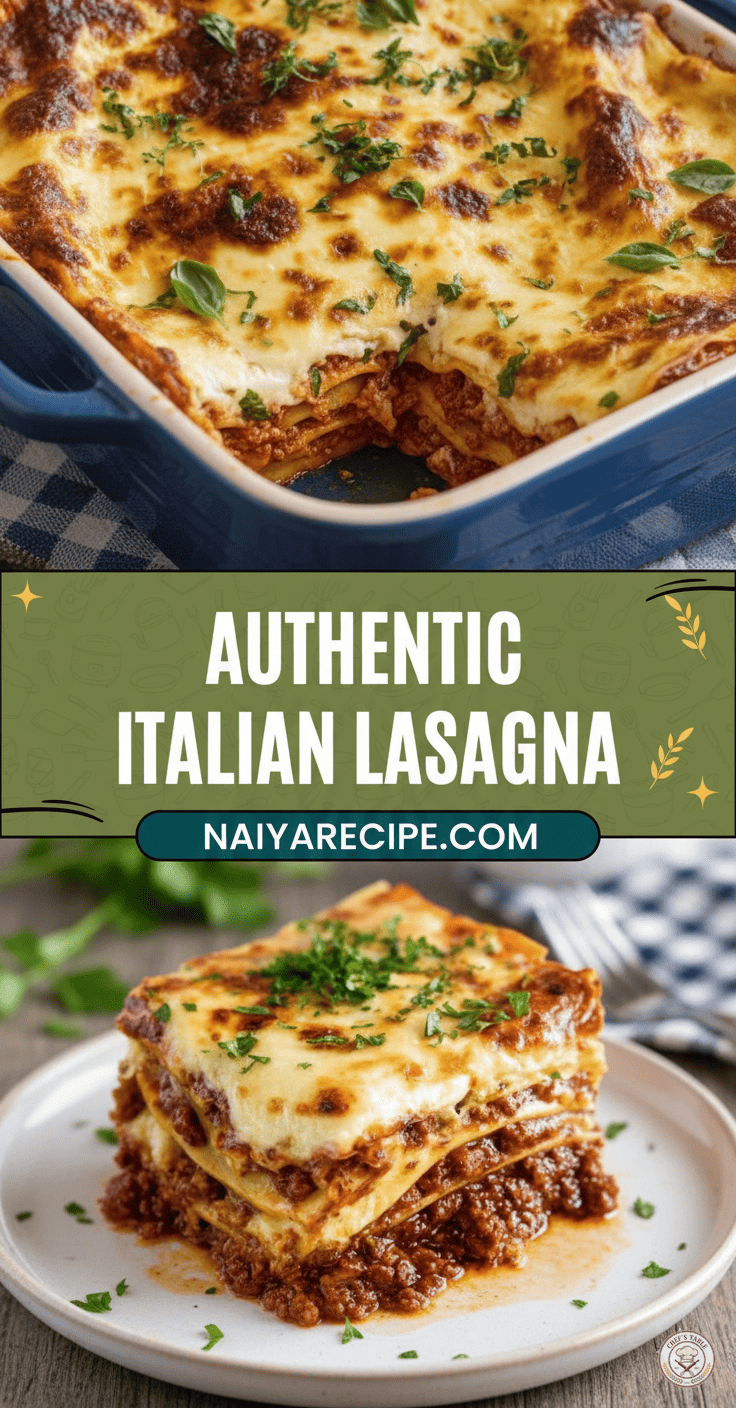
Welcome, food lovers, to a journey into the heart of Italian comfort food! Today, we’re diving deep into the world of lasagna, a dish that epitomizes warmth, family, and culinary tradition. Forget everything you thought you knew about quick meals; authentic Italian lasagna is a labor of love, a masterpiece built layer by delicious layer. This isn’t just a recipe; it’s an experience, a commitment to creating something truly extraordinary that will be remembered long after the last bite.
Our focus today is on crafting an “Authentic Italian Lasagna” – a dish that respects its roots while being accessible to the home cook. We’ll be skipping ingredients that aren’t universally enjoyed, ensuring this recipe is perfect for everyone at your table. Get ready to impress your family and friends with a lasagna that boasts rich flavors, perfectly tender pasta, and a creamy, golden top that’s absolutely irresistible.
The Foundation: A Rich Ragu
The soul of any great lasagna is its ragu, a slow-simmered meat sauce that develops incredible depth of flavor. This isn’t a quick marinara; this is a sauce that takes its time, allowing all the ingredients to meld into a harmonious symphony.
Ingredients for the Ragu:
- 2 tablespoons olive oil
- 1 large onion, finely chopped
- 2 carrots, finely chopped
- 2 celery stalks, finely chopped
- 2 pounds lean ground beef (or a mix of beef and ground turkey for a lighter option)
- 2 (28-ounce) cans crushed tomatoes
- 1 (15-ounce) can tomato sauce
- 6 ounces tomato paste
- 2 cups vegetable broth
- 4 cloves garlic, minced
- 2 bay leaves
- 1 tablespoon dried oregano
- 1 teaspoon dried basil
- 1/2 teaspoon red pepper flakes (optional, for a subtle kick)
- Salt and freshly ground black pepper to taste
- A pinch of sugar (to balance acidity)
Crafting the Ragu:
- Sauté the Aromatics: Heat the olive oil in a large, heavy-bottomed pot or Dutch oven over medium heat. Add the chopped onion, carrots, and celery (this trio is known as a soffritto, the flavor base of many Italian dishes). Sauté gently for 8-10 minutes, until the vegetables are softened and translucent, being careful not to brown them. This slow cooking brings out their natural sweetness.
- Brown the Meat: Add the ground beef to the pot, breaking it up with a spoon. Cook until thoroughly browned, crumbling it as you go. Once browned, drain off any excess fat. This step is crucial for developing a rich, meaty flavor.
- Build the Flavor: Stir in the minced garlic and cook for another minute until fragrant. Be careful not to burn the garlic, as it can turn bitter.
- Add Tomatoes and Seasonings: Stir in the crushed tomatoes, tomato sauce, tomato paste, vegetable broth, bay leaves, oregano, basil, and red pepper flakes (if using). Add a pinch of sugar to help cut through the acidity of the tomatoes. Season generously with salt and freshly ground black pepper.
- Simmer to Perfection: Bring the sauce to a gentle simmer. Reduce the heat to low, cover partially, and let it gently simmer for at least 2-3 hours, or even longer. Stir occasionally to prevent sticking. The longer it simmers, the more the flavors will develop and deepen, creating an incredibly rich and complex ragu. The sauce should thicken considerably, and the meat should be incredibly tender. Remove the bay leaves before assembling the lasagna.
The Creamy Dream: Béchamel Sauce
While some recipes opt for ricotta cheese, a truly authentic Italian lasagna often features a luxurious béchamel sauce. This creamy, smooth white sauce adds an unparalleled richness and moisture, binding all the layers together beautifully. It’s surprisingly simple to make and elevates the lasagna to a whole new level of indulgence.
Ingredients for the Béchamel:
- 1/2 cup (1 stick) unsalted butter
- 1/2 cup all-purpose flour
- 4 cups milk (whole milk is recommended for richness)
- 1/2 teaspoon salt
- 1/4 teaspoon freshly grated nutmeg
Crafting the Béchamel:
- Melt the Butter: In a medium saucepan, melt the butter over medium-low heat.
- Make the Roux: Once the butter is melted and foamy, whisk in the flour. Cook, stirring constantly, for 2-3 minutes to create a “roux.” This step cooks out the raw flour taste. The roux should be a pale straw color, not browned.
- Gradually Add Milk: Slowly, while continuously whisking, pour in the cold milk. It’s important to add the milk gradually to prevent lumps. Start with a small amount and whisk until smooth before adding more.
- Thicken the Sauce: Continue to whisk constantly over medium heat until the sauce thickens to a creamy consistency, about 8-10 minutes. It should be thick enough to coat the back of a spoon.
- Season: Remove from heat and stir in the salt and freshly grated nutmeg. Nutmeg is a classic addition to béchamel and adds a wonderful subtle warmth. Cover the surface with plastic wrap to prevent a skin from forming if not using immediately.
The Star: Lasagna Pasta
The pasta choice is critical. While no-boil noodles are convenient, traditional lasagna calls for dried pasta sheets that are briefly boiled until al dente before assembling. This ensures a better texture and absorption of the sauces.
Ingredients:
- 1 (1-pound) package lasagna noodles (oven-ready or traditional, follow package instructions for pre-cooking)
Preparing the Pasta:
- If using traditional lasagna noodles, bring a large pot of salted water to a rolling boil.
- Add the noodles a few at a time to prevent sticking. Cook according to package directions until al dente (slightly firm to the bite). You want them pliable but not mushy, as they will continue to cook in the oven.
- Drain the noodles and immediately lay them flat on baking sheets lined with parchment paper or wax paper to prevent them from sticking together. A little olive oil brushed on them can also help.
The Glorious Assembly
Now for the best part – putting it all together! This is where the magic happens, as layers of rich ragu, creamy béchamel, tender pasta, and savory cheese come together to form a magnificent casserole.
Additional Ingredients for Assembly:
- 1 pound shredded mozzarella cheese
- 1/2 cup grated Parmesan cheese (plus extra for sprinkling)
- Fresh basil leaves, for garnish (optional)
Step-by-Step Assembly:
- Preheat and Prepare: Preheat your oven to 375°F (190°C). Lightly grease a 9×13-inch baking dish.
- First Ragu Layer: Spread a thin layer of the ragu on the bottom of the prepared baking dish. This prevents the pasta from sticking and provides a flavorful base.
- Pasta Layer: Arrange a single layer of cooked lasagna noodles over the ragu. You may need to overlap them slightly or trim them to fit.
- Béchamel Layer: Ladle about 1/4 of the béchamel sauce evenly over the pasta.
- Cheese Layer: Sprinkle about 1/4 of the shredded mozzarella and a generous spoonful of Parmesan cheese over the béchamel.
- Ragu Layer (Again): Spread another generous layer of ragu over the cheese.
- Repeat: Continue layering in this order: pasta, béchamel, mozzarella/Parmesan, ragu. Repeat this process until you have used all the ingredients, ending with a layer of pasta, topped generously with the remaining béchamel, mozzarella, and a final sprinkling of Parmesan. Ensure the top is completely covered with béchamel and cheese for that beautiful golden crust.
- Cover and Bake: Cover the baking dish tightly with aluminum foil. Bake for 25 minutes. Covering it helps the lasagna cook through evenly and prevents the top from browning too quickly.
- Uncover and Brown: Remove the foil and continue to bake for another 20-25 minutes, or until the top is golden brown and bubbly. The cheese should be melted and lightly caramelized.
- Rest (Crucial Step!): This is perhaps the most important step for a perfect lasagna. Once out of the oven, let the lasagna rest for at least 15-20 minutes before slicing and serving. This allows the layers to set, preventing it from collapsing when you cut into it, and making for much cleaner slices.
Serving and Enjoying Your Masterpiece
Once rested, slice your beautiful Authentic Italian Lasagna into generous portions. Garnish with fresh basil leaves, if desired, for a touch of freshness and color.
Serve this hearty dish with a simple green salad dressed with a light vinaigrette to balance the richness, and perhaps some crusty bread to soak up any extra sauce.
Tips for Lasagna Success
- Don’t Rush the Ragu: The longer the ragu simmers, the better it will taste. You can even make the ragu a day or two in advance. The flavors deepen overnight.
- Prevent Sticky Noodles: When cooking traditional noodles, lay them flat on a baking sheet immediately after draining and lightly brush with olive oil to prevent them from sticking together.
- Don’t Skimp on Béchamel: The béchamel is key to a moist, rich lasagna. Make sure each pasta layer gets a good coating.
- Rest is Best: Seriously, do not skip the resting step. It makes all the difference in presentation and texture.
- Freeze for Later: Lasagna freezes beautifully! Assemble the lasagna, cover tightly with foil, and freeze before baking. When ready to bake, thaw in the refrigerator overnight and then bake as directed, possibly adding an extra 10-15 minutes to the covered baking time. You can also freeze baked and cooled slices.
Why This Authentic Italian Lasagna?
This recipe stands out because it embraces the traditional methods that make Italian lasagna so beloved. The slow-cooked ragu, the velvety béchamel, and the careful layering all contribute to a dish that is deeply satisfying and full of authentic flavor. It’s a meal that brings people together, evokes memories, and creates new ones. It’s perfect for special occasions, holiday gatherings, or simply a comforting Sunday supper.
So, gather your ingredients, set aside some time, and embark on this delicious culinary adventure. You’ll be rewarded with an “Authentic Italian Lasagna” that will earn rave reviews and leave everyone asking for seconds. Enjoy the process, savor the aromas filling your kitchen, and most importantly, delight in the incredible flavors of this timeless classic. Buon appetito!