
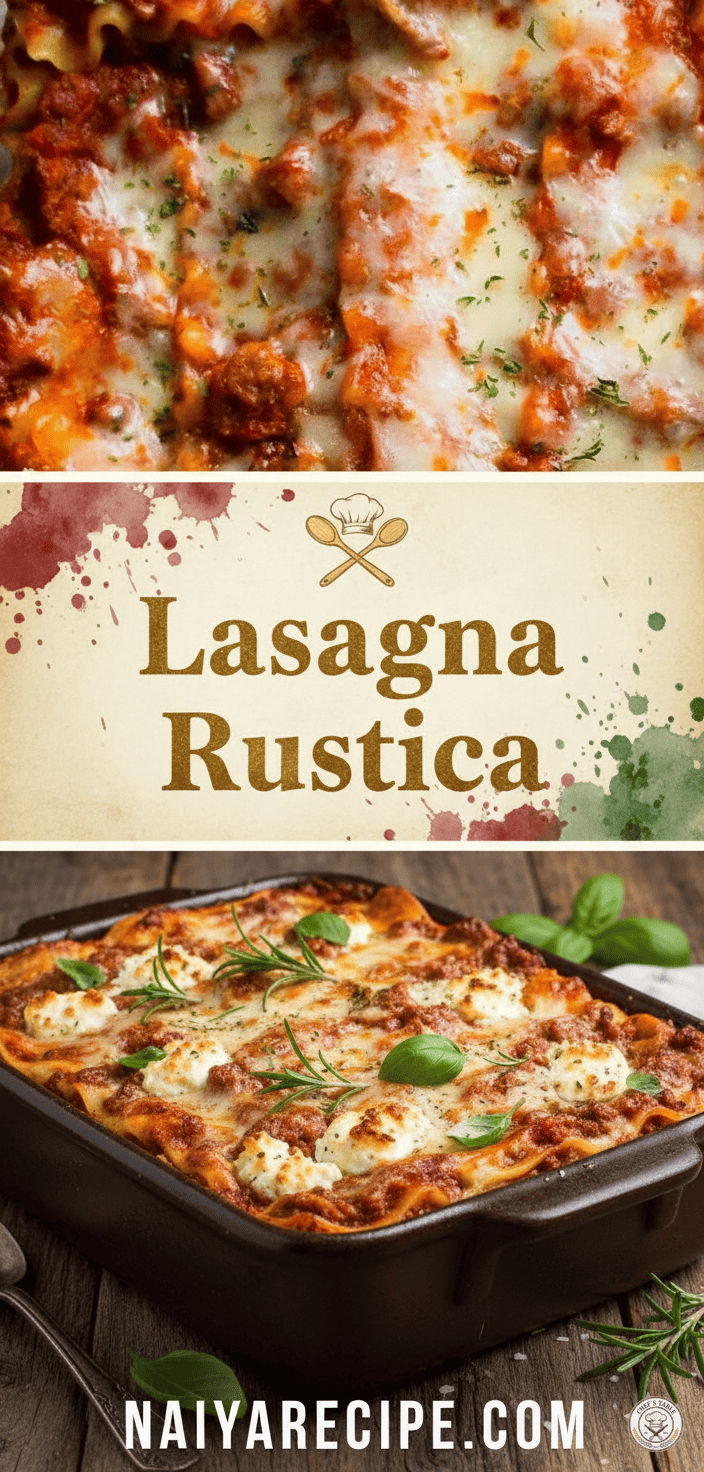
Lasagna Rustica, a name that evokes images of sun-drenched Italian countryside kitchens and generations-old traditions, is more than just a dish; it’s a warm embrace in culinary form. This isn’t your everyday, quick-fix meal; it’s a labor of love, a symphony of flavors, and a testament to the enduring power of classic Italian cooking. In this comprehensive guide, we’ll delve deep into the heart of Lasagna Rustica, exploring its origins, the philosophy behind its ingredients, and a step-by-step journey to recreating this magnificent dish in your own home. Prepare to transform your kitchen into a sanctuary of aroma and taste, and your dining table into a gathering place for unforgettable moments.
The Soul of Lasagna Rustica: A Philosophy of Flavor
The beauty of Lasagna Rustica lies in its simplicity and the quality of its components. Unlike some modern interpretations that can feel overly complex or heavy, “Rustica” implies a grounded, honest approach to cooking. It’s about letting each ingredient shine, from the richness of the meat ragù to the delicate layers of pasta and the creamy embrace of the cheese. This recipe eschews elaborate techniques in favor of time-honored methods that coax out the deepest flavors, resulting in a dish that is both comforting and profoundly satisfying.
The Pillars of Perfection: Key Ingredients
Every great structure needs a strong foundation, and Lasagna Rustica is no exception. Here are the essential components that will elevate your lasagna from good to truly exceptional:
The Ragù: The Heartbeat of the Dish
Often mistakenly called “Bolognese,” a true Italian ragù is a slow-cooked meat sauce, rich in flavor and texture. For our Lasagna Rustica, we’ll focus on a robust, flavorful ragù that will become the soul of your dish.
- Ground Meat: A combination of ground beef and ground lamb offers a depth of flavor that a single type of meat cannot. The beef provides a familiar richness, while the lamb introduces a subtle, earthy note that is characteristic of rustic Italian cooking. Opt for good quality, lean ground meats to ensure a flavorful yet not overly greasy sauce.
- Aromatics: The holy trinity of onion, carrots, and celery (known as soffritto in Italian) forms the aromatic base of our ragù. Finely diced, these vegetables slowly caramelize, releasing their sweet and savory essences, which are crucial for building a complex flavor profile.
- Garlic: Freshly minced garlic adds a pungent warmth that complements the other aromatics beautifully.
- Crushed Tomatoes: High-quality crushed tomatoes are paramount. Look for brands that use ripe, sweet Italian tomatoes, ideally San Marzano. Their natural sweetness and acidity provide the backbone of the sauce.
- Tomato Paste: A small amount of tomato paste, cooked down before adding the crushed tomatoes, intensifies the tomato flavor and adds a beautiful depth of color.
- Herbs: Fresh basil and dried oregano are classic Italian herbs that lend their aromatic magic to the ragù. A bay leaf also contributes a subtle, savory note during the long simmering process.
- Broth: Beef or vegetable broth adds liquid for simmering and further enhances the savory notes of the ragù.
- Olive Oil: Extra virgin olive oil is essential for sautéing and building the initial flavors.
The Pasta: The Foundation
While fresh pasta is always a treat, good quality dried lasagna noodles work beautifully and are more readily available. Look for noodles made from durum wheat semolina for the best texture. If using no-boil noodles, be sure to adjust your liquid content slightly, as they absorb more moisture during baking. For this rustic recipe, we recommend traditional noodles that require a brief pre-boil.
The Cheese: The Creamy Embrace
The combination of cheeses is what gives lasagna its irresistible creamy texture and savory bite.
- Ricotta Cheese: Fresh ricotta cheese is the key to that luscious, creamy layer. Opt for whole milk ricotta for the richest texture and flavor. We’ll season it with fresh herbs, salt, and black pepper to enhance its profile.
- Mozzarella Cheese: Low-moisture, shredded mozzarella melts beautifully and provides that quintessential gooey, stretchy texture. Avoid fresh mozzarella for the layers, as it releases too much water during baking.
- Parmesan Cheese (Parmigiano-Reggiano): Grated Parmigiano-Reggiano adds a sharp, salty, umami kick that balances the richness of the other cheeses and the ragù. Always grate your own for superior flavor.
The Finishing Touch: Fresh Herbs
A sprinkle of fresh basil leaves or chopped fresh parsley at the end brightens the dish and adds a final flourish of flavor and visual appeal.
Crafting Your Lasagna Rustica: A Step-by-Step Journey
Embark on this culinary adventure with patience and passion, and you’ll be rewarded with a masterpiece.
Step 1: Preparing the Ragù – The Heart of the Matter (Approximately 2-3 Hours)
The ragù is where true flavor development happens. Don’t rush this step.
- Soffritto Foundation: In a large, heavy-bottomed pot or Dutch oven, heat 2-3 tablespoons of extra virgin olive oil over medium heat. Add the finely diced onions, carrots, and celery. Cook gently, stirring occasionally, until the vegetables are very soft and translucent, about 10-15 minutes. This slow cooking allows their natural sugars to caramelize, building a sweet base.
- Aromatic Infusion: Add the minced garlic and cook for another 1-2 minutes until fragrant, being careful not to burn it.
- Browning the Meat: Increase the heat to medium-high. Add the ground beef and ground lamb to the pot. Break up the meat with a spoon and cook until thoroughly browned, crumbling it as it cooks. Drain off any excess fat from the pot.
- Tomato Power: Stir in the tomato paste and cook for 2-3 minutes, stirring constantly. This step deepens the tomato flavor. Pour in the crushed tomatoes, beef or vegetable broth, dried oregano, and bay leaf. Season generously with salt and black pepper.
- Simmer and Develop: Bring the sauce to a gentle simmer. Reduce the heat to low, cover the pot partially, and let it simmer for at least 2 hours, or preferably 3 hours, stirring occasionally. The longer it simmers, the more the flavors will meld and deepen, and the meat will become incredibly tender. If the sauce becomes too thick, add a little more broth or water. Towards the end of simmering, stir in about 1/4 cup of chopped fresh basil. Taste and adjust seasoning as needed. Remove the bay leaf before assembling.
Step 2: Preparing the Ricotta Mixture (10 Minutes)
While the ragù simmers, prepare the creamy ricotta filling.
- In a medium bowl, combine the whole milk ricotta cheese, 1 large egg (this helps bind the cheese and prevents it from becoming too watery), 1/2 cup grated Parmigiano-Reggiano cheese, and 2 tablespoons of chopped fresh parsley or basil.
- Season with a pinch of salt and black pepper. Mix everything until well combined. Set aside.
Step 3: Preparing the Pasta Noodles (15-20 Minutes)
- Bring a large pot of salted water to a rolling boil.
- Add the lasagna noodles, one at a time, making sure they don’t stick together. Cook according to package directions until al dente (slightly firm to the bite). Do not overcook, as they will continue to cook in the oven.
- Carefully drain the noodles and immediately lay them out in a single layer on clean kitchen towels or parchment paper to prevent them from sticking together. A light drizzle of olive oil can also help.
Step 4: Assembling Your Lasagna Rustica – The Grand Finale (30 Minutes)
Preheat your oven to 375°F (190°C). Lightly grease a 9×13-inch baking dish.
- First Layer of Ragù: Spread a thin layer of the meat ragù (about 1 cup) on the bottom of the prepared baking dish. This prevents the pasta from sticking and provides a flavorful base.
- Pasta Layer: Arrange a single layer of cooked lasagna noodles over the ragù, overlapping them slightly if necessary to cover the entire surface. You’ll likely use 3-4 noodles per layer, depending on their size.
- Ricotta Layer: Evenly spread about half of the ricotta mixture over the pasta.
- Mozzarella and Parmesan: Sprinkle about 1 cup of shredded mozzarella cheese and 1/4 cup of grated Parmigiano-Reggiano cheese over the ricotta.
- Repeat Layers: Top with another generous layer of ragù (about 1.5-2 cups).
- Second Pasta Layer: Place another layer of lasagna noodles over the ragù.
- Remaining Ricotta: Spread the remaining ricotta mixture over the pasta.
- More Cheese: Sprinkle another 1 cup of shredded mozzarella and 1/4 cup of Parmigiano-Reggiano.
- Final Ragù and Pasta: Add a final layer of ragù, then your last layer of lasagna noodles.
- The Grand Topping: Generously cover the top with the remaining ragù, ensuring the noodles are fully covered. Sprinkle with the remaining mozzarella and Parmigiano-Reggiano cheese.
Step 5: Baking to Golden Perfection (45-60 Minutes)
- Cover and Bake: Cover the baking dish tightly with aluminum foil. Bake for 30 minutes. The foil helps steam the pasta and ensures even cooking without the cheese burning too quickly.
- Uncover and Brown: Remove the foil and continue to bake for another 15-30 minutes, or until the cheese is melted, bubbly, and beautifully golden brown on top. If the cheese isn’t browning enough, you can briefly switch to broiler mode for a minute or two, watching it very carefully to prevent burning.
- Resting is Key: This is a crucial step! Once out of the oven, let the lasagna rest for at least 15-20 minutes before slicing and serving. This allows the layers to set, preventing a runny, messy presentation. The flavors will also continue to meld during this resting period.
Serving Suggestions
Serve your Lasagna Rustica with a simple green salad dressed with a light vinaigrette to cut through the richness. A side of crusty bread is perfect for mopping up any leftover sauce.
Tips for Lasagna Rustica Success
- Don’t Skimp on Simmering: The longer the ragù simmers, the better it will taste. Plan ahead!
- Balance Your Flavors: Taste your ragù and ricotta mixture as you go. Adjust salt, pepper, and herbs to your preference.
- Avoid Watery Lasagna: Ensure your ragù isn’t too thin. If it is, simmer it uncovered for a bit longer to reduce. Also, avoid using fresh mozzarella in the layers, as it contains too much moisture.
- Prep Ahead: You can make the ragù a day or two in advance. The flavors will only deepen! You can also assemble the entire lasagna a day ahead, cover it tightly, and refrigerate. Let it come closer to room temperature before baking, and add about 15-20 minutes to the baking time.
- Freezing: Lasagna freezes beautifully! Bake as directed, let it cool completely, then wrap tightly in plastic wrap and aluminum foil. Freeze for up to 3 months. To reheat, thaw in the refrigerator overnight, then bake covered at 350°F (175°C) until heated through, removing the foil for the last 15-20 minutes.
Lasagna Rustica is more than just a meal; it’s an experience. It’s the aroma filling your home, the anticipation of that first forkful, and the joy of sharing a truly authentic, heartfelt dish with loved ones. Embrace the process, savor the flavors, and enjoy the rustic charm of this timeless Italian classic. Buon appetito!