
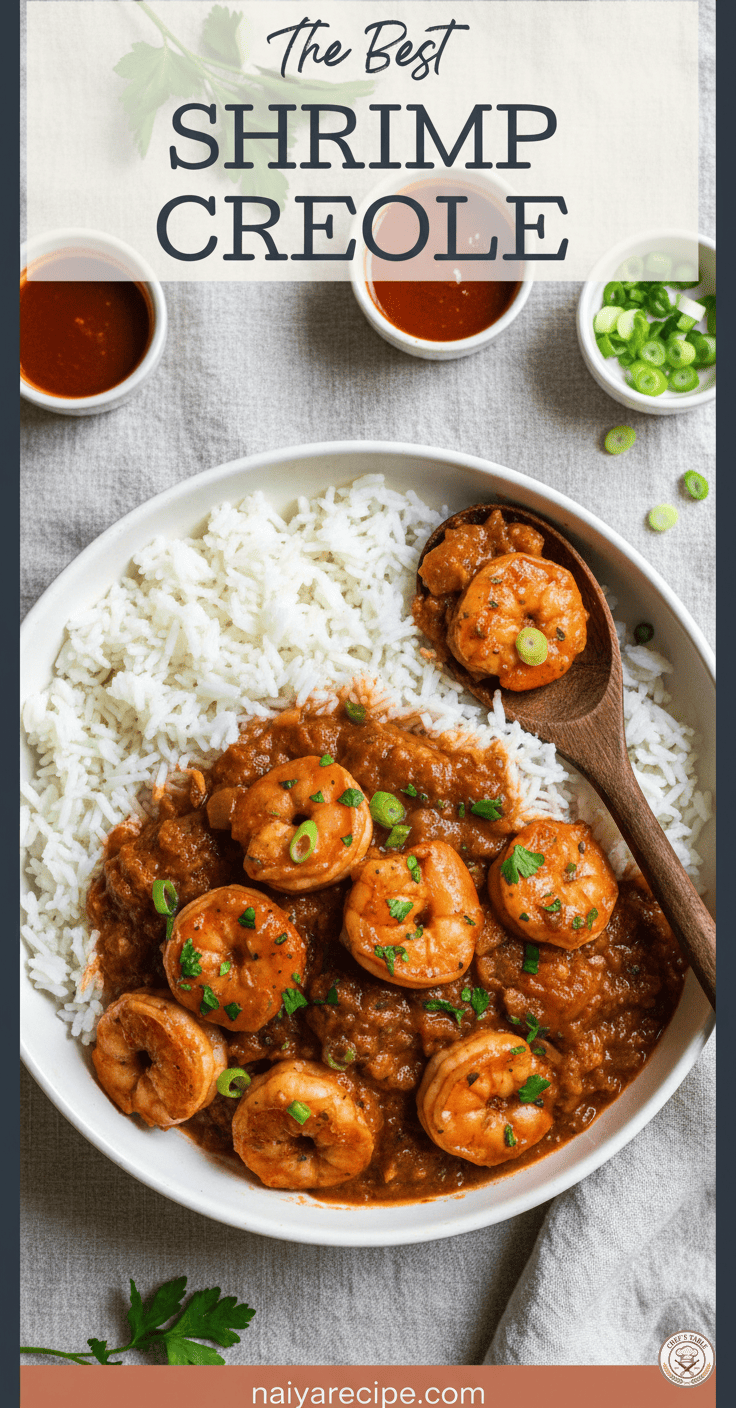
Shrimp Creole is a classic dish that embodies the rich culinary heritage of Louisiana. With its vibrant flavors, aromatic spices, and succulent shrimp, it’s a meal that transports you straight to the heart of Creole country. This recipe aims to capture that authentic essence, offering a comforting and delicious experience that’s perfect for any occasion.
Creole cuisine is a fascinating blend of various cultures, including French, Spanish, African, and Native American influences. This fusion has resulted in a unique and incredibly flavorful culinary tradition. Shrimp Creole, in particular, showcases the ingenuity of Creole cooks in transforming simple ingredients into a dish that is both complex and deeply satisfying.
The foundation of any good Creole dish lies in its “holy trinity” – onions, celery, and bell peppers. These three vegetables are sautéed to create an aromatic base that forms the backbone of the sauce. In this recipe, we’ll build upon this base with a rich, savory tomato sauce that’s seasoned with a blend of traditional Creole spices.
One of the key elements that sets Creole dishes apart is the depth of flavor achieved through slow simmering. While this recipe doesn’t require hours of cooking, it does benefit from allowing the flavors to meld and deepen. The result is a sauce that is robust, well-balanced, and incredibly flavorful.
This recipe is designed to be straightforward and accessible, even for those new to Creole cooking. While the list of ingredients might seem extensive, most are common pantry staples. The process involves a few simple steps: preparing the aromatic base, building the sauce, and finally, adding the shrimp to cook until just tender.
A Culinary Journey to Louisiana
Imagine yourself strolling through the historic French Quarter in New Orleans, the air filled with the sounds of jazz and the enticing aromas of Creole kitchens. That’s the feeling we aim to evoke with this Shrimp Creole. It’s more than just a meal; it’s a celebration of flavor, culture, and tradition.
The beauty of Shrimp Creole lies in its versatility. It can be served as a hearty weeknight dinner or as an impressive dish for entertaining guests. Paired with fluffy white rice, it becomes a complete and satisfying meal that’s sure to please everyone at the table.
Ingredients:
- 2 tablespoons olive oil
- 1 large onion, chopped
- 1 green bell pepper, chopped
- 2 celery stalks, chopped
- 3 cloves garlic, minced
- 1 (28 ounce) can crushed tomatoes
- 1 (14.5 ounce) can diced tomatoes, undrained
- 1 cup vegetable broth
- 2 tablespoons tomato paste
- 1 bay leaf
- 1 teaspoon dried thyme
- 1 teaspoon dried oregano
- 1/2 teaspoon smoked paprika
- 1/4 teaspoon cayenne pepper (or more, to taste)
- 1 teaspoon salt, or to taste
- 1/2 teaspoon black pepper, or to taste
- 2 pounds large shrimp, peeled and deveined
- 1/4 cup fresh parsley, chopped, for garnish
- Cooked white rice, for serving
- Sliced green onions, for garnish (optional)
Equipment:
- Large Dutch oven or heavy-bottomed pot
- Cutting board
- Sharp knife
- Measuring cups and spoons
- Wooden spoon or spatula
Instructions:
Step 1: Prepare the Aromatics
Begin by gathering all your ingredients and chopping the onion, bell pepper, and celery. This is known as the “holy trinity” in Creole cooking, and it forms the flavorful base of our dish. Mince your garlic as well. Having everything prepped before you start cooking will make the process smooth and enjoyable.
Heat the olive oil in a large Dutch oven or heavy-bottomed pot over medium heat. Once the oil is shimmering, add the chopped onion, bell pepper, and celery. Sauté these vegetables for about 8-10 minutes, stirring occasionally, until they have softened and become translucent. This step is crucial for building a deep flavor foundation. You’ll notice their aromas filling your kitchen, signaling the start of something delicious.
Next, add the minced garlic to the pot. Sauté for another minute until fragrant. Be careful not to burn the garlic, as it can turn bitter. The goal is to release its wonderful aroma and flavor into the other vegetables.
Step 2: Build the Sauce
Now it’s time to build the rich tomato sauce. Stir in the crushed tomatoes, diced tomatoes (with their juices), vegetable broth, and tomato paste into the pot with the sautéed vegetables. The tomato paste will add an extra layer of concentrated tomato flavor and help thicken the sauce.
Add the bay leaf, dried thyme, dried oregano, smoked paprika, and cayenne pepper to the pot. The cayenne pepper provides that characteristic Creole kick, so feel free to adjust the amount to your preference. If you prefer a milder dish, you can use less, or omit it entirely. For those who love a bit of heat, a little extra will certainly make it sing.
Season the sauce with salt and black pepper. Stir everything together thoroughly to combine all the ingredients. Bring the sauce to a gentle simmer, then reduce the heat to low, cover the pot, and let it simmer for at least 30 minutes. This simmering time is essential for the flavors to meld and deepen, creating a truly harmonious and robust sauce. Stir occasionally to prevent sticking and ensure even cooking. The longer it simmers, the more developed the flavors will become, so if you have extra time, letting it go for up to an hour will only improve the dish.
Step 3: Cook the Shrimp
While the sauce is simmering, prepare your shrimp. If they are not already, peel and devein them. You can leave the tails on for presentation, or remove them if you prefer. Pat the shrimp dry with paper towels; this helps them cook evenly.
After the sauce has simmered and developed its flavors, remove the bay leaf from the pot. Increase the heat to medium-low. Add the peeled and deveined shrimp to the simmering sauce. Stir gently to ensure the shrimp are fully submerged in the sauce.
Cook the shrimp for only 3-5 minutes, or until they turn pink and opaque. Be careful not to overcook the shrimp, as they can become tough and rubbery. Shrimp cook very quickly, so keep a close eye on them. The moment they curl into a C-shape and lose their translucency, they are ready.
Step 4: Garnish and Serve
Once the shrimp are cooked, taste the Shrimp Creole and adjust the seasoning if necessary. You might want to add a little more salt, pepper, or cayenne pepper to achieve your desired flavor profile.
Ladle the hot Shrimp Creole over a generous portion of fluffy white rice. The rice acts as the perfect canvas for soaking up all the delicious sauce. Garnish each serving with a sprinkle of fresh chopped parsley and, if using, sliced green onions. The fresh herbs add a burst of color and a fresh counterpoint to the rich sauce.
Serve immediately and enjoy this authentic taste of Louisiana!
Tips for Success:
- Fresh vs. Frozen Shrimp: While fresh shrimp are always ideal, high-quality frozen shrimp work perfectly well for this recipe. Just make sure to thaw them completely before cooking. You can thaw them overnight in the refrigerator or by placing them in a colander under cold running water for a few minutes.
- Don’t Overcook the Shrimp: This is perhaps the most important tip for any shrimp dish. Shrimp cook very quickly, and overcooked shrimp become rubbery and unappetizing. Keep a close eye on them and remove them from the heat as soon as they turn pink and opaque.
- Adjust Spice Level: The cayenne pepper is your control for the heat level. Start with the recommended amount and add more to your liking. If you’re serving a crowd with varying spice preferences, you can serve extra hot sauce on the side for those who want to amp up the heat.
- Simmer Time is Key: While 30 minutes is the minimum simmering time for the sauce, allowing it to simmer longer (up to an hour) will only enhance the depth of flavor. The longer the flavors have to meld, the better the final dish will be.
- The Right Pot: A Dutch oven or a heavy-bottomed pot is ideal for this recipe as it distributes heat evenly and helps prevent the sauce from scorching.
- Serve with the Right Rice: Long-grain white rice is the traditional accompaniment to Shrimp Creole. Its light and fluffy texture is perfect for absorbing the rich sauce.
- Make Ahead: The sauce for Shrimp Creole can be made a day in advance and stored in the refrigerator. This allows the flavors to develop even further. When ready to serve, gently reheat the sauce and then add the shrimp to cook.
- Freezing Leftovers: Leftover Shrimp Creole can be stored in an airtight container in the refrigerator for up to 3 days. It also freezes well for up to 3 months. Thaw overnight in the refrigerator and gently reheat on the stovetop, adding a splash of vegetable broth if needed to loosen the sauce.
The History and Heart of Creole Cooking
Shrimp Creole is more than just a recipe; it’s a testament to the resilience and creativity of the people who shaped Creole cuisine. Originating from New Orleans, Creole cooking is a vibrant tapestry woven from various cultural threads. The French brought sophisticated sauces and culinary techniques, the Spanish introduced tomatoes, peppers, and rice, and African influences contributed deep frying and hearty stews. Native Americans shared indigenous ingredients and cooking methods.
This dish, with its rich tomato base and aromatic vegetables, showcases these influences beautifully. The use of the “holy trinity” (onions, celery, and bell peppers) is a hallmark of both Creole and Cajun cuisines, forming the flavor bedrock of countless dishes. The addition of spices like thyme, oregano, and cayenne pepper brings warmth and depth, creating a truly unforgettable culinary experience.
Shrimp, being abundant in the Gulf Coast region, naturally became a star ingredient in many local dishes. Its delicate sweetness pairs perfectly with the robust and spicy Creole sauce. Every spoonful of Shrimp Creole tells a story of cultural exchange, adaptation, and a passionate love for flavor.
This recipe strives to honor that tradition, bringing the authentic taste of Louisiana to your kitchen. It’s a dish that warms the soul and delights the palate, a true celebration of culinary history. Enjoy the process of creating this flavorful meal, and savor every bite of this classic Creole masterpiece. It’s a dish that promises comfort, satisfaction, and a taste of the extraordinary.