
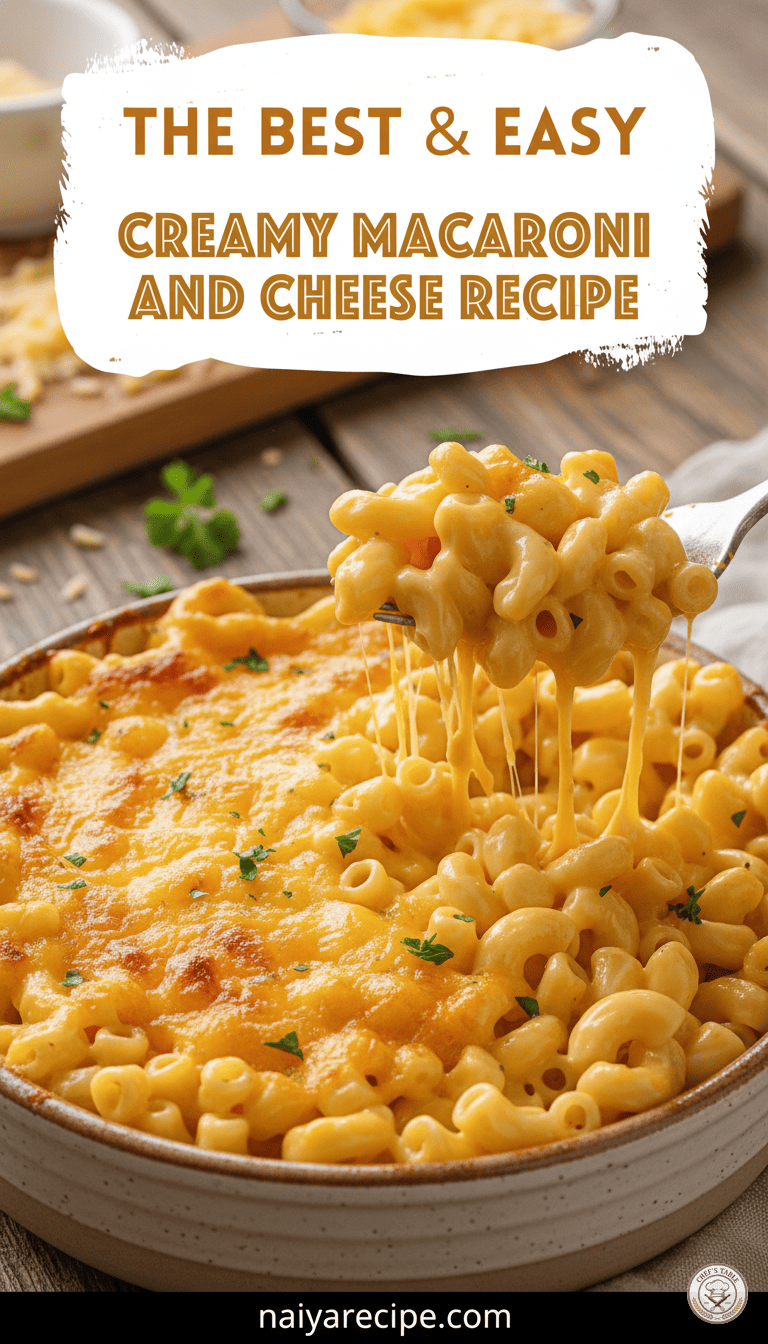
Macaroni and cheese. Just the sound of it conjures up images of comfort, warmth, and pure, unadulterated joy. It’s a dish that transcends generations, appearing on dinner tables from casual weeknights to festive holiday gatherings. But what makes a truly great macaroni and cheese? Is it the perfectly cooked pasta, the rich, velvety cheese sauce, or the irresistible golden crust? In this comprehensive guide, we’ll dive deep into crafting the ultimate creamy macaroni and cheese, a recipe so good it might just become your new family favorite. Get ready to embark on a culinary journey that will elevate your understanding and appreciation for this classic dish.
A Timeless Classic: The Enduring Appeal of Mac and Cheese
Before we delve into the specifics of our recipe, let’s take a moment to appreciate the humble beginnings and enduring legacy of macaroni and cheese. While its exact origins are debated, cheese and pasta have been a delightful duo for centuries. Many food historians point to Italy as a birthplace for early cheese and pasta dishes, with various iterations making their way across Europe. The 18th century saw the dish gain popularity in England and then, famously, in America. Thomas Jefferson is often credited with introducing macaroni and cheese to the United States after encountering it in France and bringing a pasta machine back to his home at Monticello.
From presidential tables to school cafeterias, macaroni and cheese has evolved, adapted, and remained a beloved staple. Its appeal lies in its simplicity, its versatility, and its incredible ability to evoke feelings of nostalgia and comfort. It’s a dish that can be as basic or as elaborate as you desire, a blank canvas for culinary creativity. Our recipe aims to strike the perfect balance: easy enough for a weeknight meal, yet sophisticated enough to impress.
The Foundation: Choosing Your Ingredients Wisely
The secret to any outstanding dish lies in the quality of its ingredients. While macaroni and cheese might seem straightforward, selecting the right components can make all the difference between a good dish and an unforgettable one.
The Pasta: Beyond Just Macaroni
While “macaroni” is in the name, you’re not strictly limited to elbow macaroni. In fact, many other pasta shapes can work beautifully, offering different textures and ways to cradle that glorious cheese sauce.
- Elbow Macaroni: The classic choice. Its curved shape is perfect for holding sauce. Opt for good quality durum wheat pasta for the best texture.
- Cavatappi: Also known as “corkscrew pasta,” cavatappi has ridges that are excellent for gripping sauce.
- Shells (Conchiglie): Small shells can scoop up generous amounts of sauce, making for a very creamy bite.
- Penne or Ziti: While less traditional, these tubular pastas can also work, especially if you prefer a firmer bite.
Regardless of your choice, the key is to cook the pasta al dente. It will continue to cook in the cheese sauce, and you want it to retain some bite rather than becoming mushy.
The Cheese: A Symphony of Flavors
This is where the magic truly happens! A truly great macaroni and cheese benefits from a blend of cheeses. Combining different types allows for a complex flavor profile and the perfect gooey texture.
- Sharp Cheddar: A non-negotiable. Sharp cheddar provides that quintessential tangy, robust flavor that defines macaroni and cheese. Look for a good quality block of sharp or extra-sharp cheddar and grate it yourself. Pre-shredded cheeses often contain anti-caking agents that can hinder melting.
- Gruyère: This Swiss cheese adds a nutty, earthy depth and melts beautifully, contributing to a wonderfully smooth sauce.
- Monterey Jack: A milder, high-moisture cheese that melts incredibly smoothly, adding to the creaminess without overpowering the other flavors.
- Smoked Gouda: For a touch of smoky richness, smoked gouda is an excellent addition.
- Parmesan or Pecorino Romano: A small amount of a hard, aged cheese can add a salty, umami kick, particularly if you’re baking the mac and cheese with a topping.
Experiment with different combinations to find your perfect blend, but always ensure sharp cheddar is a prominent player.
The Dairy: Building the Creamy Base
The richness of your cheese sauce comes from the dairy products you use.
- Butter: The foundation of your roux. Use unsalted butter so you can control the salt content.
- All-Purpose Flour: This combines with butter to form the roux, which thickens the sauce.
- Milk: Whole milk is highly recommended for the richest, creamiest sauce. Low-fat milk can be used but will result in a thinner sauce. For an extra luxurious touch, you can use half-and-half or a blend of milk and heavy cream.
- Mustard (Dry or Prepared): A small amount of dry mustard powder or Dijon mustard is a secret weapon in cheese sauces. It doesn’t make the sauce taste like mustard; instead, it enhances the savory notes of the cheese and helps it melt more smoothly.
- Seasonings: Salt, freshly ground black pepper, and a pinch of nutmeg are essential. Nutmeg, like mustard, is a classic pairing with cheese sauces, adding a subtle warmth and depth. A touch of garlic powder or onion powder can also be nice.
The Method: Crafting Perfection
Making creamy macaroni and cheese involves a few key steps, each crucial for the final delicious outcome.
Step 1: Prepare Your Pasta
Bring a large pot of salted water to a rolling boil. Add your chosen pasta and cook according to package directions until al dente. This means it should still have a slight bite to it, as it will finish cooking in the hot cheese sauce. Drain the pasta thoroughly and set aside. Do not rinse the pasta; the starch on its surface helps the sauce adhere.
Step 2: Make the Roux
In a large, heavy-bottomed saucepan or Dutch oven, melt the butter over medium heat. Once the butter is melted and bubbly, whisk in the flour. Cook, whisking constantly, for about 1-2 minutes. This is your roux, and cooking it properly helps eliminate the raw flour taste. It should be pale yellow and smell slightly nutty.
Step 3: Gradually Add Milk
Slowly pour in the milk, whisking continuously to prevent lumps. Start with a small amount of milk to create a thick paste with the roux, then gradually add the rest, whisking until smooth after each addition. Continue to cook the sauce over medium heat, stirring frequently, until it thickens to the consistency of a thin gravy. This will take about 5-7 minutes. The sauce should coat the back of a spoon.
Step 4: Melt the Cheese
Reduce the heat to low. Add the dry mustard (if using), nutmeg, salt, and pepper. Then, gradually add the grated cheese, a handful at a time, stirring constantly until each addition is fully melted and smooth before adding more. This gradual process helps prevent the cheese from clumping and ensures a silky, velvety sauce. Keep the heat low during this stage; high heat can cause the cheese to separate and become oily. Taste and adjust seasonings as needed. If the sauce is too thick, you can add a splash more warm milk.
Step 5: Combine Pasta and Sauce
Add the drained, cooked pasta to the cheese sauce. Stir gently until all the pasta is thoroughly coated in the luxurious, creamy sauce.
Serving Suggestions: Enjoying Your Creation
At this point, you have a magnificent pot of creamy macaroni and cheese ready to be devoured.
Straight from the Pot (Stovetop Style)
For an immediate, intensely creamy experience, serve it directly from the pot. This is perfect for those who love their mac and cheese super saucy and gooey. Garnish with a sprinkle of fresh parsley for a touch of color, if desired.
Baked Mac and Cheese with a Golden Crust
If you prefer a mac and cheese with a delectable crispy topping and a slightly firmer texture, transfer the pasta and cheese mixture to a baking dish.
- Crumble Topping: For a classic baked mac and cheese, combine breadcrumbs (panko or regular) with a tablespoon or two of melted butter and a pinch of paprika. Sprinkle this mixture evenly over the top of the mac and cheese. You can also add a final layer of shredded cheese (like cheddar or parmesan) underneath or on top of the breadcrumbs for an extra cheesy crust.
- Baking: Bake in a preheated oven at 375°F (190°C) for 20-30 minutes, or until the topping is golden brown and bubbly. Let it rest for a few minutes before serving.
Variations and Enhancements: Make It Your Own
While our base recipe is fantastic on its own, macaroni and cheese is incredibly adaptable. Here are a few ideas to customize your dish:
- Protein Boost: Stir in cooked, shredded chicken, ground beef, or plant-based protein for a heartier meal.
- Veggie Power: Add steamed broccoli florets, peas, sautéed mushrooms, or roasted butternut squash for added nutrition and flavor.
- Spicy Kick: A pinch of cayenne pepper, a dash of hot sauce, or diced jalapeños can add a pleasant warmth.
- Herbal Notes: Fresh herbs like thyme or chives can bring a lovely aromatic quality.
- Crispy Onions/Shallots: Sautéed crispy onions or shallots can be mixed in or sprinkled on top for extra texture and flavor.
Troubleshooting Common Mac and Cheese Mishaps
Even seasoned cooks can encounter challenges. Here are solutions to some common issues:
- Sauce is Lumpy: This usually happens if the milk is added too quickly to the roux or if it wasn’t whisked vigorously enough. If it’s a minor lump, continued whisking over low heat might help. For more significant lumps, you can try straining the sauce, though this is a last resort. Prevention is key!
- Sauce is Too Thin: Continue to cook the sauce over low heat, stirring frequently. It will naturally thicken as more liquid evaporates. If it’s still too thin after a few minutes, you can make a small slurry of cornstarch and cold water (1 tablespoon cornstarch mixed with 2 tablespoons cold water) and whisk it into the simmering sauce. Cook for another minute or two until thickened.
- Sauce is Too Thick: Whisk in a small amount of warm milk, a tablespoon at a time, until you reach the desired consistency.
- Cheese is Oily/Separated: This often happens when the cheese is added to a sauce that is too hot or if the heat is too high after the cheese is added. Keep the heat on low when melting the cheese. If it has separated, try whisking in a small amount of cold milk or a pinch of baking soda to help bring it back together, but prevention is always better.
- Bland Flavor: Don’t be shy with seasoning! Ensure you’ve used enough salt, pepper, and dry mustard. A little extra sharp cheddar or a touch of a pungent aged cheese can also boost the flavor.
The Joy of Homemade Mac and Cheese
There’s something incredibly satisfying about creating a dish from scratch that brings so much joy. This “Best & Easy Creamy Macaroni and Cheese” recipe is designed to be approachable for home cooks of all skill levels, ensuring a delicious and comforting meal every time. It’s a dish that embodies the very essence of comfort food – simple, satisfying, and utterly delicious.
So, gather your ingredients, put on your favorite tunes, and get ready to create a masterpiece. The aroma alone will have everyone rushing to the table, eager for a taste of this golden, gooey, cheesy delight. Whether you’re making it for a special occasion or simply to treat yourself on a cozy evening, this recipe is guaranteed to deliver. Enjoy every single creamy, cheesy bite!
naiyarecipe.com