
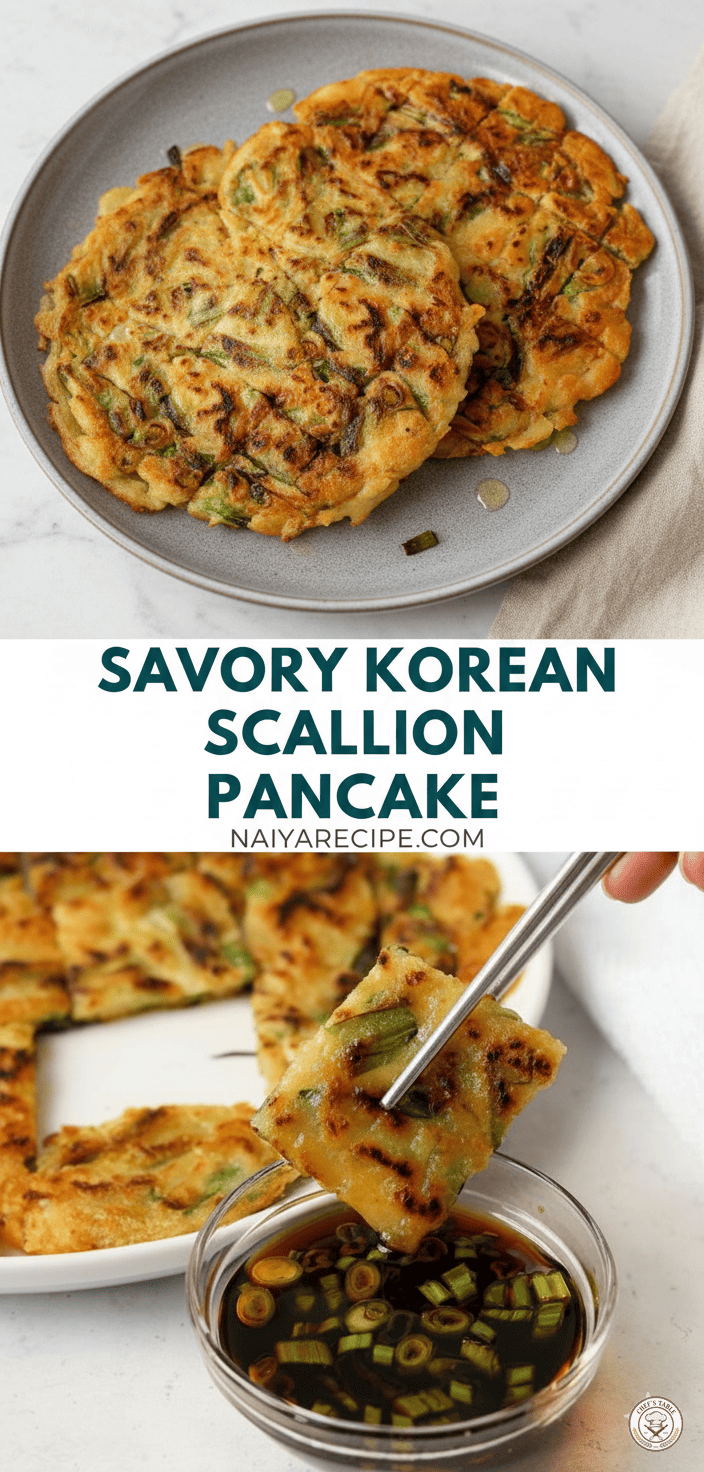
Korean scallion pancakes, known as Pajeon (파전), are a beloved classic in Korean cuisine. These savory, crispy-on-the-outside and tender-on-the-inside pancakes are a delightful treat that can be enjoyed as an appetizer, a side dish, or even a light meal. The star ingredient, fresh green onions, lends a vibrant flavor and aroma that is simply irresistible.
While Pajeon might seem like a dish reserved for expert chefs, I’m here to tell you that it’s surprisingly simple to make at home. With just a few basic ingredients and a straightforward method, you can whip up a batch of these delectable pancakes in no time. This recipe, in particular, focuses on ease and speed, making it perfect for busy weeknights or when you’re craving something warm and comforting without spending hours in the kitchen.
The Allure of Pajeon: A Culinary Journey
Pajeon holds a special place in the hearts of many Koreans, often evoking memories of rainy days when a warm, crispy pancake paired with a dipping sauce is the ultimate comfort food. The sizzling sound of the batter hitting the hot pan, the earthy scent of the scallions permeating the air, and the anticipation of that first flavorful bite – it’s an experience that transcends mere eating.
Beyond its comforting qualities, Pajeon is incredibly versatile. While the classic version focuses on scallions, variations abound, incorporating various seafood like shrimp, squid, and mussels (haemul pajeon), or even other vegetables. This adaptability makes Pajeon a fantastic dish to experiment with, allowing you to tailor it to your preferences and what you have on hand.
Why This Recipe is a Game-Changer
Many traditional Pajeon recipes involve specific flours or complex batter preparations. However, this recipe simplifies the process without compromising on flavor or texture. We’ll be using readily available ingredients and a technique that guarantees a perfectly crispy exterior and a soft, flavorful interior every time.
The key to a good Pajeon lies in the batter’s consistency and the cooking method. A well-mixed batter that’s not too thick or too thin is crucial for achieving that ideal balance of crispiness and tenderness. And cooking it in a hot pan with sufficient oil ensures a beautiful golden-brown crust that’s incredibly satisfying.
Let’s Talk Ingredients: The Essentials
Before we dive into the cooking process, let’s take a moment to appreciate the humble yet powerful ingredients that make Pajeon so special.
- Green Onions (Scallions): These are the undisputed stars of the show. Choose fresh, vibrant green onions with firm white bases. The fresher they are, the more flavor they’ll impart. Don’t be shy with them – a generous amount of green onions is what gives Pajeon its characteristic taste and texture. You’ll want to chop them into about 2-3 inch pieces for a good visual and textural presence in the pancake.
- All-Purpose Flour: This forms the base of our batter. While specialty Korean pancake mixes exist, all-purpose flour works perfectly well and is something most people already have in their pantry. It provides the structure for the pancake.
- Cornstarch (or Potato Starch): This is our secret weapon for achieving extra crispiness. Adding a bit of cornstarch to the batter helps to create a lighter, crispier texture that contrasts beautifully with the tender scallions.
- Cold Water: Cold water is important for making a tender batter. It helps prevent gluten development, resulting in a lighter pancake.
- Egg: An egg adds richness to the batter and helps bind all the ingredients together, contributing to a cohesive and flavorful pancake.
- Garlic Powder (or Fresh Minced Garlic): A touch of garlic adds a wonderful aromatic depth to the pancake. If using fresh garlic, finely mince it to ensure it disperses evenly.
- Salt: Essential for seasoning the batter and bringing out the flavors of the other ingredients.
- Vegetable Oil (or other neutral cooking oil): You’ll need a good amount of oil for frying the pancakes. This is key to achieving that desirable crispy crust. Neutral oils like vegetable oil, canola oil, or grapeseed oil are ideal as they have a high smoke point and won’t impart unwanted flavors.
The Dipping Sauce: A Perfect Companion
No Pajeon is complete without a flavorful dipping sauce. The sauce provides a tangy, savory, and slightly spicy counterpoint to the rich pancake. Our suggested dipping sauce is simple yet packed with flavor:
- Soy Sauce: The backbone of the dipping sauce, providing umami and saltiness.
- Rice Vinegar: Adds a pleasant tanginess that cuts through the richness of the pancake.
- Toasted Sesame Oil: Delivers a nutty aroma and flavor that elevates the sauce.
- Sesame Seeds: Adds a textural element and a subtle nutty crunch.
- Red Pepper Flakes (Gochugaru): For a touch of heat. Adjust to your spice preference. If you don’t have gochugaru, a pinch of crushed red pepper flakes will work.
- Finely Chopped Green Onions (optional): For an extra burst of freshness and color in the dipping sauce.
Step-by-Step Guide to Perfect Pajeon
Making Pajeon is a straightforward process, but paying attention to a few key details will ensure your pancakes turn out perfectly every time.
Step 1: Prepare the Green Onions
Wash and thoroughly dry your green onions. Cut off the root ends and discard any wilted or damaged parts. Cut the green onions into 2 to 3-inch long pieces. Aim for uniform pieces so they cook evenly in the pancake.
Step 2: Whisk Together the Dry Ingredients
In a large mixing bowl, combine the all-purpose flour, cornstarch, garlic powder, and salt. Whisk them together until they are well combined. This ensures even distribution of the dry ingredients.
Step 3: Add Wet Ingredients to Form the Batter
Crack the egg into the dry ingredients. Gradually add the cold water, whisking continuously until a smooth batter forms. The batter should be slightly thicker than crepe batter but thinner than traditional pancake batter. It should be easily pourable but still have some body. If it’s too thick, add a tablespoon more water at a time until you reach the desired consistency. If it’s too thin, add a teaspoon of flour.
Step 4: Incorporate the Green Onions
Gently fold the chopped green onions into the batter. Ensure they are evenly coated but try not to overmix, as this can develop the gluten too much and result in a tougher pancake.
Step 5: Prepare the Dipping Sauce
In a small bowl, combine the soy sauce, rice vinegar, toasted sesame oil, sesame seeds, and red pepper flakes. Stir well to combine. Taste and adjust seasoning as needed – you might want more vinegar for tang or more red pepper for heat. If using, add the finely chopped green onions.
Step 6: Cook the Pancakes
Heat a large non-stick skillet or cast-iron pan over medium-high heat. Add 2-3 tablespoons of vegetable oil, ensuring it coats the bottom of the pan. The oil should be shimmering but not smoking.
Pour about 1/2 to 3/4 cup of the batter into the hot pan, spreading it out evenly with the back of a spoon to form a thin, round pancake. You may need to adjust the amount of batter depending on the size of your pan and your desired pancake thickness. Don’t overcrowd the pan; cook one or two at a time, depending on the pan size.
Cook for 3-5 minutes on the first side, until the edges are golden brown and crispy and the batter is set. You’ll see small bubbles forming on the surface.
Carefully flip the pancake using a wide spatula. Add another tablespoon of oil around the edges of the pancake, allowing it to seep underneath. This helps to crisp up the second side.
Cook for another 3-5 minutes on the second side, until it’s also golden brown and crispy. The green onions should be slightly charred in places, which adds to the flavor.
Step 7: Serve and Enjoy!
Once cooked, transfer the Pajeon to a cutting board. You can cut it into wedges or squares using a pizza cutter or a knife. Serve immediately with the prepared dipping sauce. Repeat with the remaining batter, adding more oil to the pan as needed for each pancake.
Tips for Pajeon Perfection
- Don’t skimp on the oil: A generous amount of oil is crucial for achieving that desirable crispy texture. Think of it as shallow-frying rather than just pan-frying.
- Hot pan is key: Make sure your pan is hot before adding the batter. This helps to create an instant crust and prevents the pancake from sticking.
- Even spreading: Spread the batter thinly and evenly for consistent cooking and crispiness.
- Cook in batches: Don’t overcrowd the pan. Cooking one or two pancakes at a time ensures even cooking and allows for proper browning.
- Adjust heat: Keep an eye on the heat. If the pancakes are browning too quickly, lower the heat slightly. If they’re not browning enough, increase it.
- Fresh green onions: The fresher your green onions, the better your Pajeon will taste.
- Serve immediately: Pajeon is best enjoyed fresh off the pan when it’s hot and crispy.
Variations to Explore
While this recipe focuses on the classic scallion pancake, feel free to get creative!
- Vegetable Pajeon: Add thinly sliced onions, carrots, bell peppers, or kimchi to the batter for added flavor and nutrition.
- Spicy Pajeon: Increase the red pepper flakes in the dipping sauce or add a pinch of gochugaru directly to the batter for a spicy kick.
- Cheesy Pajeon: Sprinkle some shredded mozzarella or cheddar cheese over the pancake after you flip it for a gooey, cheesy twist.
The Versatility of Pajeon in Your Kitchen
Pajeon isn’t just a delicious dish; it’s a versatile one that fits into various culinary scenarios.
- Appetizer: Cut into small squares or wedges, Pajeon makes an excellent appetizer for gatherings. Its vibrant green hue and appealing aroma are sure to entice your guests.
- Side Dish: It pairs wonderfully with other Korean dishes like bibimbap, stews, or grilled meats, offering a contrasting texture and flavor profile.
- Light Meal: For a quick and satisfying lunch or dinner, a couple of Pajeon with the dipping sauce can be a complete meal, especially if you add some extra vegetables to the batter.
- Snack: When you’re craving something savory and comforting, a small Pajeon hit the spot.
A Healthy Perspective
While Pajeon is often seen as an indulgent treat due to the frying, it also offers some nutritional benefits. Green onions are packed with vitamins K and C, and they provide dietary fiber. By making it at home, you have control over the type and amount of oil used, allowing you to choose healthier options. You can also load it up with more vegetables to boost its nutritional content.
Final Thoughts on Your Pajeon Journey
This easy Korean scallion pancake recipe is a fantastic entry point into the world of Korean cooking. It’s forgiving, flavorful, and incredibly satisfying to make and eat. The simplicity of the ingredients combined with the straightforward technique means that even novice cooks can achieve impressive results.
So, the next time you’re looking for a delicious and relatively quick meal or snack, reach for those green onions and whip up a batch of these savory pancakes. The aroma alone will transport you to a bustling Korean market, and the taste will leave you craving more.
Don’t be afraid to experiment with the recipe, making it your own by adding your favorite vegetables or adjusting the spice level. The beauty of Pajeon lies in its adaptability and its ability to bring warmth and comfort to any table. Enjoy the process, savor the flavors, and share the joy of homemade Korean scallion pancakes with your loved ones!
naiyarecipe.com