
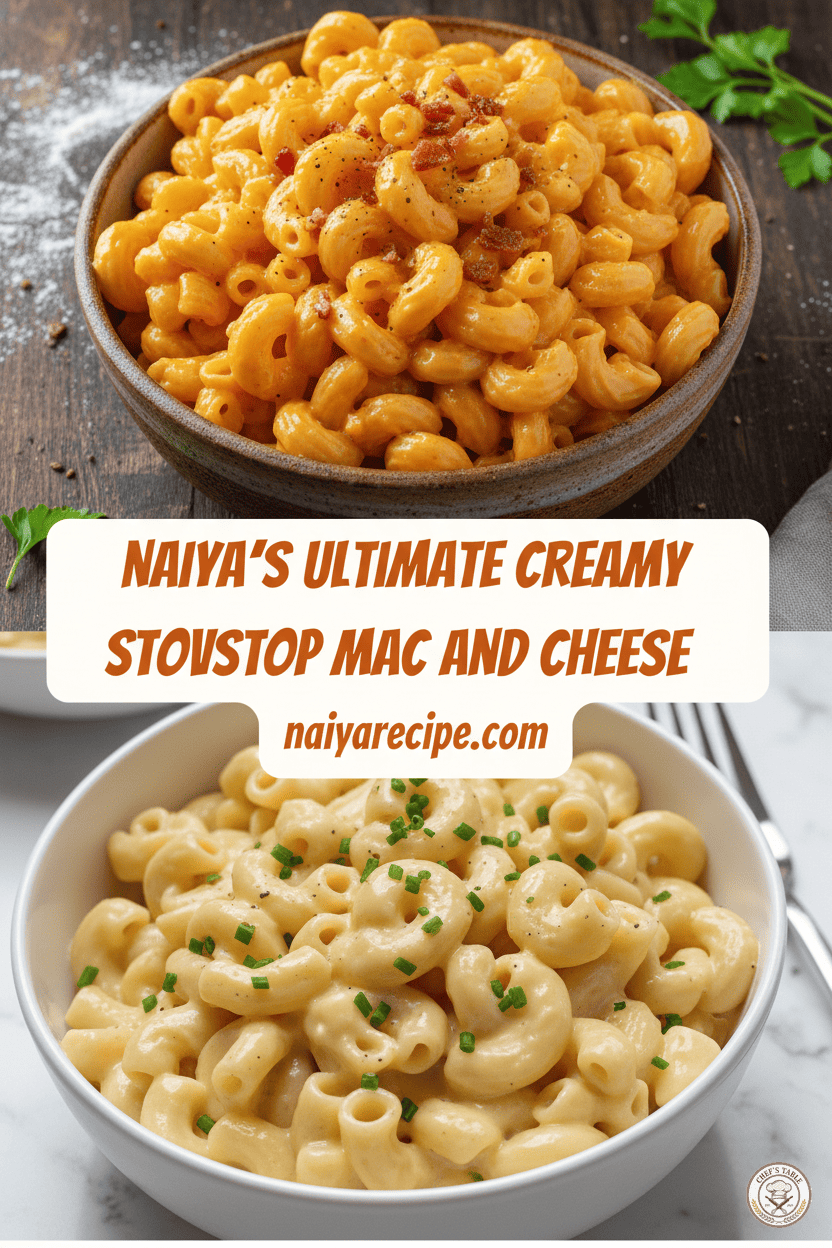
Macaroni and cheese. Just reading those words can evoke a sense of comfort, nostalgia, and pure culinary bliss. It’s a dish that transcends generations and occasions, from a simple weeknight meal to a holiday feast side. But while many have attempted to conquer the art of stovetop mac and cheese, achieving that perfect, velvety, and utterly irresistible creaminess can sometimes feel like an elusive dream. Until now.
Welcome, fellow food lovers, to Naiya’s ultimate guide to crafting the most divine, perfectly creamy stovetop mac and cheese you’ll ever taste. This isn’t just a recipe; it’s a journey to mac and cheese mastery, devoid of any ingredients that might not align with diverse dietary preferences. We’re talking pure, unadulterated comfort in a bowl, made with simple ingredients and a few clever techniques that will transform your kitchen into a sanctuary of cheesy goodness.
The Quest for Creaminess: Understanding the Fundamentals
Before we dive into the steps, let’s understand what makes a truly creamy mac and cheese. It’s not just about dumping cheese into hot pasta. It’s about emulsion, fat distribution, and the careful balance of liquid and solids. Our goal is to create a sauce that coats every single noodle, clinging to it with a luscious embrace, without being gritty, oily, or clumpy.
Many traditional recipes rely on a béchamel base, a classic French white sauce made with butter, flour, and milk. This is an excellent foundation for thickening, but we’ll also explore ways to enhance that creaminess and ensure a silky-smooth finish every time.
Ingredients: Quality Matters, Simplicity Shines
The beauty of mac and cheese lies in its humble ingredients. Don’t be fooled by the simplicity; choosing good quality components will elevate your final dish significantly.
- Elbow Macaroni (or your favorite small pasta shape): While tradition dictates elbows, feel free to experiment with cavatappi, shells, or ditalini. The key is a shape that can hold onto that glorious sauce. Aim for a good quality durum wheat pasta that cooks al dente.
- Milk: Whole milk is your best friend here. Its higher fat content contributes to a richer, creamier sauce. If you’re looking for a slightly lighter option, 2% can work, but avoid skim milk as it won’t yield the same luxurious texture.
- Cheese, Glorious Cheese: This is where the magic happens. A blend is key for complexity and meltability.
- Sharp Cheddar: The backbone of classic mac and cheese. Its tangy, robust flavor is essential. Grate it yourself! Pre-shredded cheeses often contain anti-caking agents that can hinder smooth melting.
- Gouda or Fontina: These semi-hard cheeses melt beautifully and add a wonderful nuttiness and depth.
- Gruyère: For an even more sophisticated flavor profile, Gruyère brings a sweet, nutty, and earthy note.
- Cream Cheese (Optional but highly recommended): A small amount of cream cheese at the end can boost creaminess and stabilize the sauce.
- Butter (Unsalted): For building our roux and adding richness.
- All-Purpose Flour: The thickening agent for our béchamel.
- Mustard Powder (Dry Mustard): Don’t skip this! It doesn’t make your mac and cheese taste like mustard; instead, it enhances the savory, cheesy flavor and helps with emulsion.
- Smoked Paprika: Adds a lovely subtle smokiness and a hint of color without relying on any restricted ingredients.
- Nutmeg (Freshly Grated): A pinch of nutmeg is a classic addition to béchamel sauces, adding warmth and depth that complements the cheese beautifully.
- Salt and Freshly Ground Black Pepper: Essential for seasoning at every stage.
The Method: Step-by-Step to Stovetop Perfection
This recipe is designed for ease and foolproof results. Follow these steps, and you’ll be rewarded with the mac and cheese of your dreams.
Step 1: Prep Your Ingredients – The Foundation of Success
Before you even turn on the stove, get everything ready. This is called “mise en place” (everything in its place) and it makes cooking a breeze.
- Grate Your Cheese: This is non-negotiable for the best melt. Grate all your chosen cheeses and set them aside in a bowl.
- Measure Dry Ingredients: Measure your flour, mustard powder, smoked paprika, salt, and pepper into separate small bowls or combine them if you prefer.
- Measure Liquids: Have your milk ready.
Step 2: Cook the Pasta – Al Dente is Key!
- Boil Water: In a large pot, bring generously salted water to a rolling boil. Remember, the pasta absorbs salt, so season the water well. It should taste like the ocean.
- Add Pasta: Add your elbow macaroni to the boiling water and cook according to package directions, but just to al dente. This means it should still have a slight bite to it. It will continue to cook slightly in the hot cheese sauce, and we don’t want mushy pasta.
- Drain and Rinse (Briefly): Once al dente, drain the pasta thoroughly in a colander. For this recipe, a very quick rinse with warm water can help prevent the pasta from sticking too much, but ensure it’s brief so you don’t wash away all the starch that helps the sauce cling. Immediately return the drained pasta to the empty pot or a large bowl. Drizzle with a tiny bit of oil (like olive oil) and toss to prevent sticking, if desired. Set aside.
Step 3: Crafting the Silky Cheese Sauce – The Heart of the Dish
This is where the magic really happens. Pay attention to heat and constant stirring for a smooth sauce.
- Melt Butter: In the same large pot (wiped clean if needed) or a separate heavy-bottomed saucepan, melt the unsalted butter over medium heat.
- Make the Roux: Once the butter is melted and slightly foamy, whisk in the all-purpose flour. Stir constantly for about 1-2 minutes until a thick paste (the roux) forms and cooks out the raw flour taste. It should be light blonde in color.
- Whisk in Milk Gradually: This is crucial for a lump-free sauce. Slowly pour in the cold or room temperature milk, a little at a time, whisking continuously until each addition is fully incorporated and smooth before adding more. This gradual addition prevents lumps.
- Thicken the Sauce: Continue to whisk over medium heat until the sauce thickens to a consistency that coats the back of a spoon, about 5-7 minutes. It should be thick enough to leave a trail when you run your finger across the spoon.
- Add Seasonings: Remove the pot from the heat. Whisk in the mustard powder, smoked paprika, a pinch of freshly grated nutmeg, salt, and freshly ground black pepper. Stir until well combined. The residual heat will help the spices bloom.
- Incorporate the Cheese: Here’s another critical step: do not add all the cheese at once, and keep the heat off or very, very low. Add the grated cheeses in handfuls, stirring constantly with a whisk or a rubber spatula until each addition is fully melted and smooth before adding the next. This ensures a creamy, emulsified sauce and prevents the cheese from clumping or becoming greasy. If using cream cheese, add it now along with the other cheeses.
- Taste and Adjust: Once all the cheese is melted and the sauce is smooth, taste the sauce. Adjust seasonings as needed. You might need a little more salt or pepper. Remember, the pasta will absorb some of the seasoning, so the sauce should taste well-seasoned on its own.
Step 4: Combine and Serve – The Grand Finale!
- Add Pasta to Sauce: Pour the cooked and drained macaroni into the pot with the glorious cheese sauce.
- Gently Toss: Using a rubber spatula or large spoon, gently fold and toss the macaroni until every single noodle is beautifully coated in the creamy cheese sauce. Do not overmix; just enough to combine.
- Serve Immediately: Mac and cheese is best served fresh off the stove when it’s at its creamiest peak. Garnish with a sprinkle of fresh chives or parsley if desired, for a pop of color and freshness.
Troubleshooting Common Mac and Cheese Mishaps
- Greasy Sauce: This usually happens when the heat is too high when adding the cheese, causing the fats to separate. Always remove from direct heat or keep it very low when melting cheese. Also, using pre-shredded cheese can contribute due to anti-caking agents.
- Lumpy Sauce: Most often caused by adding milk too quickly to the roux, or not whisking constantly. Patience is key when building the béchamel.
- Dry Sauce: Not enough liquid (milk) or too much flour in the roux. Also, mac and cheese can dry out as it cools. A splash of warm milk can help revive leftovers.
- Mushy Pasta: Overcooked pasta. Always cook to al dente!
- Gritty Sauce: This can be due to cheese not melting properly (again, low heat and gradual addition help), or using certain types of cheese that don’t melt smoothly (like some hard, aged cheeses in large quantities).
Elevating Your Stovetop Mac and Cheese
While this recipe stands perfectly on its own, here are a few ideas to take your mac and cheese to the next level:
- Herbaceous Notes: Stir in some fresh chopped chives, parsley, or even a hint of thyme or rosemary (use sparingly) at the end for an aromatic boost.
- Spice It Up (without restricted ingredients): A pinch of cayenne pepper or a dash of your favorite hot sauce can add a gentle warmth and kick.
- Nutty Crunch: For a textural contrast, consider a topping made from toasted breadcrumbs mixed with a little melted butter and smoked paprika. Sprinkle it on top just before serving.
- Vegetable Boost: Wilted spinach or finely chopped steamed broccoli can be folded into the mac and cheese for added nutrients and color.
- Protein Addition (non-restricted): Shredded cooked chicken or ground beef (seasoned well) can be stirred in to make it a more substantial meal.
Storage and Reheating
Leftover mac and cheese can be stored in an airtight container in the refrigerator for up to 3-4 days.
Reheating: The best way to reheat stovetop mac and cheese is gently on the stovetop. Add a splash of milk (or even a little cream) to the pot with the cold mac and cheese. Heat over low to medium-low heat, stirring frequently, until warmed through and creamy again. The added liquid helps to loosen the sauce and restore its original consistency. You can also microwave it, but it might not be as creamy.
Why This Recipe is Your New Go-To
This recipe for Naiya’s Ultimate Creamy Stovetop Mac and Cheese is more than just a set of instructions; it’s a promise. A promise of a dish that will bring smiles, comfort, and satisfaction to anyone who tastes it. It’s a testament to the power of simple, wholesome ingredients transformed into something extraordinary with a little care and attention.
The exclusion of certain ingredients ensures that this recipe is accessible to a wider audience, without compromising on flavor or that quintessential mac and cheese experience. We’ve focused on techniques that guarantee a smooth, velvety sauce every single time, making those disappointing, gritty, or greasy batches a distant memory.
Whether you’re making it for a busy weeknight, a cozy weekend meal, or sharing it with loved ones, this stovetop mac and cheese is destined to become a cherished favorite in your culinary repertoire. So, gather your ingredients, set aside a little time, and prepare to embark on a delicious journey to ultimate creamy mac and cheese bliss. Your taste buds will thank you!
Remember to visit naiyarecipe.com for more delicious and accessible recipes!