
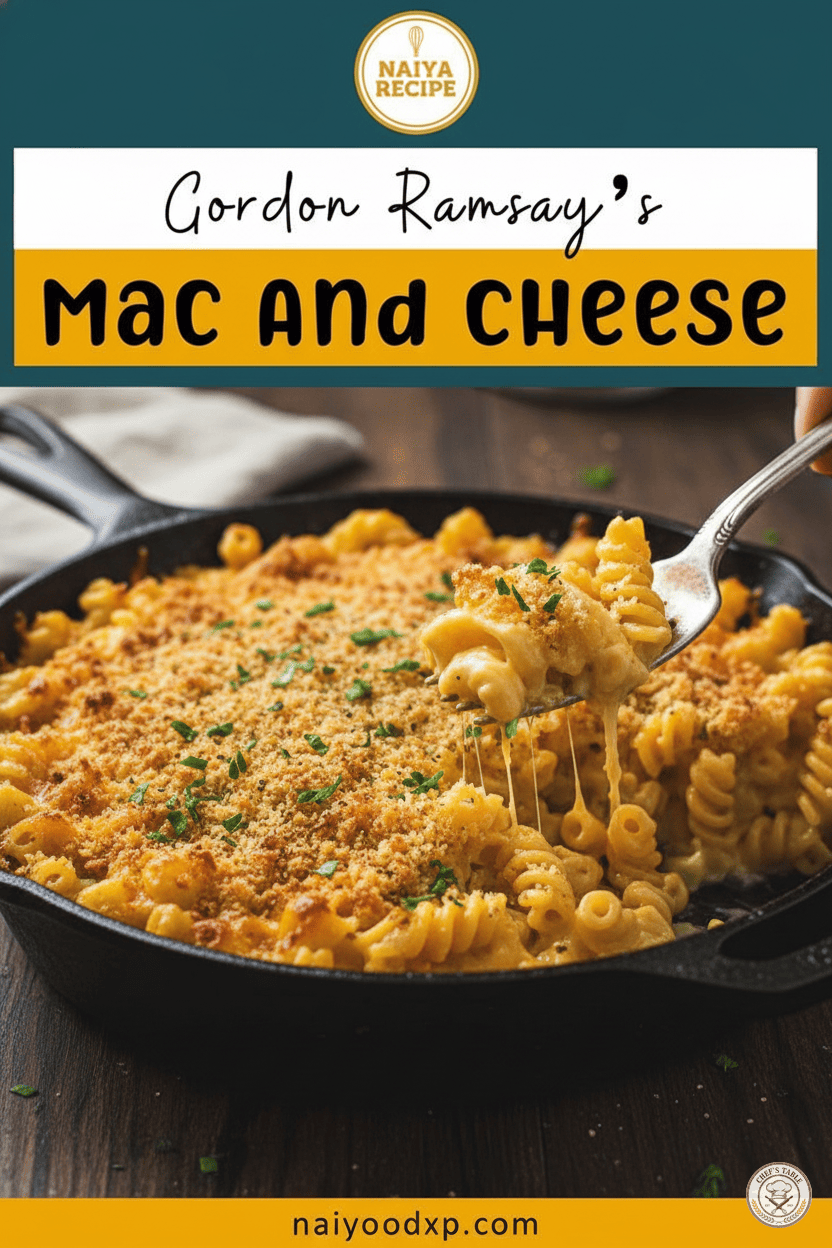
There are few dishes that evoke the same comforting warmth and universal appeal as a creamy, cheesy macaroni. It’s a classic for a reason, a staple of childhoods and a go-to for quick, satisfying meals. But what if you could elevate this humble dish to something truly extraordinary? Enter Gordon Ramsay. The renowned chef, known for his fiery personality and impeccable culinary standards, has a mac and cheese recipe that promises to transform your perception of this beloved comfort food. Forget bland, watery concoctions; prepare for a rich, deeply flavorful experience that will have everyone asking for seconds.
This isn’t just a recipe; it’s an experience. It’s about taking simple ingredients and, with a touch of culinary finesse, turning them into something magnificent. Ramsay’s approach focuses on depth of flavor, ensuring every bite is a symphony of creamy, tangy, and savory notes. And the best part? It’s entirely achievable in your home kitchen, even if you’re not a Michelin-starred chef.
The Foundation: Quality Ingredients Are Key
As with any great dish, the secret to Gordon Ramsay’s mac and cheese lies in the quality of its components. You don’t need exotic, hard-to-find items, but choosing good quality staples will make a world of difference.
Pasta: While elbow macaroni is traditional, Ramsay often opts for pasta shapes that better capture and hold the sauce, like fusilli or cavatappi. The ridges and twists of these shapes act as perfect little reservoirs for that luscious cheese sauce. Regardless of your choice, ensure it’s good quality pasta that will hold its al dente texture without becoming mushy.
Cheese: This is where the magic truly happens. A blend of cheeses is crucial for complexity. Ramsay typically uses a combination of sharp cheddar for its robust flavor and a milder, creamier cheese like Gruyère or Monterey Jack for its melting properties and nutty undertones. A touch of Parmesan can also add a salty, umami kick. Avoid pre-shredded cheeses, as they often contain anti-caking agents that can hinder smooth melting. Grate your own for the best results.
Dairy: Full-fat milk and a touch of heavy cream are essential for that luxurious, velvety sauce. Don’t skimp on these; they provide the richness and body that define a truly great mac and cheese.
Flavor Enhancers: A pinch of mustard powder might seem unusual, but it’s a secret weapon. It doesn’t make the dish taste like mustard; rather, it amplifies the savory notes of the cheese, making them more pronounced and complex. A dash of nutmeg also adds a subtle warmth and aromatic depth, a classic pairing with béchamel-based sauces.
Crafting the Velvety Cheese Sauce: The Béchamel Base
The heart of any truly great mac and cheese is a perfectly executed béchamel sauce. This classic French mother sauce provides the creamy, stable base that suspends the melted cheese, preventing it from becoming oily or clumpy.
The Roux: Start by melting unsalted butter in a heavy-bottomed saucepan. Once melted and gently bubbling, whisk in an equal amount of all-purpose flour. This combination forms the roux, which will thicken your sauce. Cook the roux for a minute or two, stirring constantly, until it forms a pale, sandy paste. This cooks out the raw flour taste.
Adding the Milk: Gradually, and I mean gradually, whisk in warm milk. Adding cold milk too quickly can lead to lumps. Pour in a small amount, whisk until smooth, then add more, continuing this process until all the milk is incorporated. Keep whisking constantly over medium heat. The sauce will slowly thicken as it comes to a gentle simmer. This continuous whisking is key to a silky-smooth béchamel. Once it reaches a consistency where it coats the back of a spoon, you’re on the right track.
Infusing Flavor: Now is the time to add your flavor enhancers. Stir in the mustard powder, nutmeg, and a generous pinch of salt and freshly ground black pepper. Taste and adjust the seasoning as needed.
Melting the Cheese: Remove the béchamel from the heat before adding your grated cheeses. This prevents the cheese from separating and becoming stringy. Add the cheeses in batches, stirring until each batch is fully melted and incorporated before adding the next. This gentle melting ensures a smooth, homogeneous sauce. Reserve a small amount of cheese for the topping if you’re baking it.
The Perfect Pasta: Al Dente and Ready to Mingle
While your cheese sauce is simmering to perfection, cook your chosen pasta according to package directions, but aim for slightly undercooked, or “al dente.” The pasta will continue to cook slightly when combined with the hot sauce, and if you’re baking it, it will cook even further in the oven. Overcooked pasta will result in a mushy texture, which is a cardinal sin in mac and cheese.
Drain the pasta thoroughly but do not rinse it. The starch on the surface of the pasta helps the sauce adhere beautifully.
Combining and Baking: The Grand Finale
Once your pasta is cooked and your cheese sauce is ready, it’s time to bring it all together.
Mixing: Pour the hot cheese sauce over the drained pasta in a large bowl. Stir gently but thoroughly until every piece of pasta is coated in the luxurious sauce.
Baking (Optional but Recommended): While you can certainly enjoy Gordon Ramsay’s mac and cheese straight from the pot, baking it adds another layer of texture and flavor, creating that irresistible golden-brown crust.
Preheat your oven to 190°C (375°F). Lightly grease a baking dish. Transfer the mac and cheese mixture into the prepared dish. If you reserved some cheese, sprinkle it over the top. For an extra layer of texture, consider adding a breadcrumb topping.
Breadcrumb Topping: In a small bowl, combine Panko breadcrumbs (these provide a superior crunch), a drizzle of olive oil, and a pinch of your favorite herbs like dried parsley or chives. You can also add a touch of Parmesan cheese to the breadcrumbs for extra flavor. Sprinkle this mixture evenly over the top of the mac and cheese.
Bake for 20-25 minutes, or until the top is golden brown and bubbly. If you skip the breadcrumbs, just bake until bubbly and the cheese on top is melted and slightly browned.
Serving Suggestions and Variations
Gordon Ramsay’s mac and cheese is a showstopper on its own, but it also pairs beautifully with a variety of sides.
Classic Pairings: A simple green salad with a light vinaigrette provides a refreshing contrast to the richness of the mac and cheese. Roasted vegetables like broccoli, asparagus, or Brussels sprouts also make excellent companions.
Protein Power: To make it a more substantial meal, consider adding cooked, shredded chicken, sautéed mushrooms, or even some caramelized onions to the mix before baking.
Spice It Up: For those who enjoy a little heat, a pinch of cayenne pepper or a dash of hot sauce in the cheese sauce can add a welcome kick.
Herbaceous Notes: Fresh herbs like chives, parsley, or thyme can be stirred into the finished dish or sprinkled as a garnish for a burst of freshness and color.
Why This Recipe Stands Out
What makes Gordon Ramsay’s mac and cheese truly exceptional? It’s a combination of factors:
- Layered Flavor: The careful blend of cheeses, the subtle tang of mustard powder, and the warm hint of nutmeg create a complexity that goes beyond a simple cheese sauce.
- Velvety Texture: The meticulously prepared béchamel ensures a consistently smooth and creamy sauce that never separates or feels greasy.
- Perfectly Cooked Pasta: By cooking the pasta al dente, you avoid a mushy texture and maintain a pleasant bite.
- The Baked Finish: The optional baking step adds a crucial textural element, with a crisp, golden crust giving way to a rich, gooey interior.
- Attention to Detail: Ramsay’s recipes always emphasize precision and technique, and this mac and cheese is no exception. Each step contributes to the overall perfection of the dish.
A Note on Dietary Considerations
This recipe, as presented, is rich and indulgent. If you’re looking for ways to lighten it slightly, you could experiment with skim milk instead of full-fat, but be aware that it will impact the creaminess. Using a lower-fat cheese blend is also an option, but again, this will alter the flavor profile. For a gluten-free version, simply use gluten-free pasta and a gluten-free all-purpose flour for the roux. The beauty of a classic recipe like this is its adaptability, allowing you to tailor it to your preferences while still maintaining its core deliciousness.
The Ultimate Comfort Food Experience
In conclusion, Gordon Ramsay’s mac and cheese is more than just a recipe; it’s a culinary journey that elevates a beloved comfort food to gourmet status. It’s a testament to the power of quality ingredients and careful technique. Whether you’re making it for a special occasion or simply to treat yourself to an indulgent meal, this recipe is guaranteed to impress. So roll up your sleeves, gather your ingredients, and prepare to create a mac and cheese that will earn you rave reviews. Enjoy every creamy, cheesy, utterly satisfying bite!