
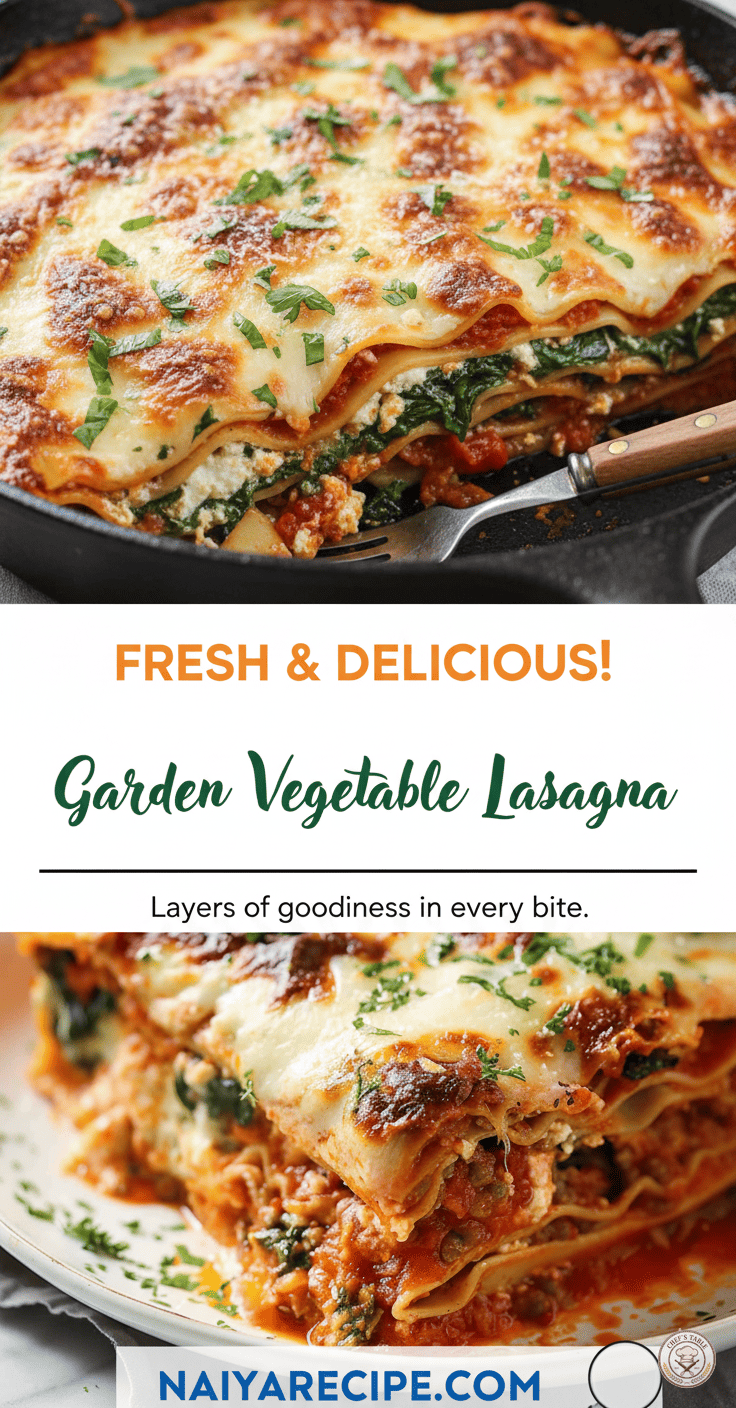
There are few dishes as universally comforting and satisfying as a well-made lasagna. The sheer anticipation of slicing into those perfectly layered noodles, rich sauce, creamy cheese, and savory fillings is enough to make anyone’s mouth water. While the classic meat lasagna holds a special place in many hearts, today we’re celebrating a vibrant, wholesome, and incredibly flavorful alternative that deserves just as much adoration: the Garden Vegetable Lasagna. This dish is not just a meal; it’s an experience, a symphony of textures and tastes that will delight even the most ardent meat-eaters.
Our Garden Vegetable Lasagna is a testament to the power of fresh, simple ingredients coming together to create something truly extraordinary. It’s a dish that feels both indulgent and remarkably fresh, perfect for a family dinner, a gathering with friends, or even a cozy night in. And the best part? It’s packed with nourishing vegetables, making it a fantastic way to boost your daily intake of greens and more.
Why Vegetable Lasagna?
You might be thinking, “Vegetable lasagna? Is it really as good as the traditional kind?” The answer is a resounding YES! Here’s why this version often steals the show:
- Flavor Explosion: Fresh vegetables, when properly seasoned and cooked, bring an incredible depth of flavor and natural sweetness that complements the rich tomato sauce and creamy cheese beautifully. We’re talking about vibrant spinach, tender zucchini, earthy mushrooms, and sweet bell peppers – a medley that creates a complex and satisfying taste profile.
- Lighter Yet Filling: Without heavy meats, this lasagna feels lighter on the palate, yet it remains incredibly filling and satisfying. It’s the kind of comfort food that leaves you feeling pleasantly full, not overly stuffed.
- Nutrient-Rich: This lasagna is a powerhouse of vitamins, minerals, and fiber. It’s a delicious way to sneak in extra vegetables, making it a healthier option without sacrificing an ounce of flavor.
- Versatile and Adaptable: Don’t have a particular vegetable on hand? No problem! This recipe is incredibly forgiving and can be adapted to whatever seasonal produce you have. It’s a fantastic way to use up those lingering veggies in your fridge.
- Crowd-Pleaser: Whether you’re serving vegetarians, health-conscious eaters, or just people who appreciate good food, this Garden Vegetable Lasagna is a guaranteed hit. Its vibrant colors and inviting aroma will have everyone eager for a slice.
The Anatomy of a Perfect Vegetable Lasagna
Crafting the perfect vegetable lasagna involves balancing several key components:
- The Noodles: While fresh pasta is always a treat, good quality dried lasagna noodles work beautifully. For convenience, you can opt for no-boil lasagna noodles, but boiling traditional noodles to al dente (still firm) before layering will give you a superior texture.
- The Sauce: A rich, flavorful tomato sauce is the backbone of any great lasagna. We’ll be using a homemade-style marinara, infused with aromatic herbs and spices, providing that essential tangy and savory foundation.
- The Ricotta Mixture: This is where the creamy magic happens! A blend of ricotta cheese, often mixed with Parmesan, an egg (for binding), and fresh herbs like parsley, creates a luscious, tangy layer that balances the richness of the sauce and the other cheeses.
- The Vegetables: This is the star of our show! A colorful array of sautéed vegetables provides texture, flavor, and a nutritional boost. Spinach, zucchini, bell peppers, and mushrooms are excellent choices, offering a diverse flavor profile.
- The Mozzarella: The ultimate melting cheese, mozzarella provides that iconic gooey, stretchy texture and a mild, milky flavor that brings all the elements together. A generous amount on top ensures a beautiful golden-brown crust.
Unveiling the Recipe: Garden Vegetable Lasagna
This recipe is designed to be straightforward, allowing you to create a spectacular dish without unnecessary complications.
Yields: 8-10 servings
Prep time: 30 minutes
Cook time: 45 minutes
Ingredients:
For the Sauce:
- 2 tablespoons olive oil
- 1 large onion, finely chopped
- 3 cloves garlic, minced
- 2 (28 ounce) cans crushed tomatoes
- 1 (15 ounce) can tomato sauce
- 1/4 cup fresh basil, chopped (or 1 tbsp dried basil)
- 1 teaspoon dried oregano
- 1/2 teaspoon salt
- 1/4 teaspoon black pepper
- 1 teaspoon sugar (optional, to balance acidity)
For the Vegetable Filling:
- 1 tablespoon olive oil
- 1 medium zucchini, finely diced
- 1 red bell pepper, finely diced
- 1 cup sliced mushrooms
- 5 ounces fresh spinach, roughly chopped
- 1/2 teaspoon salt
- 1/4 teaspoon black pepper
For the Cheese Layers:
- 15 ounces ricotta cheese
- 1 large egg
- 1/2 cup grated Parmesan cheese, plus more for topping
- 1/4 cup fresh parsley, chopped
- 1/2 teaspoon salt
- 1/4 teaspoon black pepper
- 12 lasagna noodles (oven-ready or traditional, cooked al dente according to package directions)
- 4 cups shredded mozzarella cheese
Equipment:
- Large pot for boiling noodles (if not using oven-ready)
- Large skillet
- Large mixing bowl
- 9×13 inch baking dish
Instructions:
1. Prepare the Marinara Sauce:
- Heat 2 tablespoons of olive oil in a large pot or Dutch oven over medium heat. Add the chopped onion and cook until softened, about 5-7 minutes.
- Stir in the minced garlic and cook for another minute until fragrant, being careful not to burn it.
- Pour in the crushed tomatoes and tomato sauce. Add the fresh or dried basil, oregano, salt, pepper, and sugar (if using). Stir everything together.
- Bring the sauce to a gentle simmer, then reduce the heat to low, cover, and let it cook for at least 30 minutes, or up to an hour, stirring occasionally. The longer it simmers, the more the flavors will meld.
2. Prepare the Vegetable Filling:
- While the sauce is simmering, heat 1 tablespoon of olive oil in a large skillet over medium-high heat.
- Add the diced zucchini, red bell pepper, and sliced mushrooms. Sauté for 5-7 minutes, until the vegetables are tender-crisp and any excess moisture has evaporated.
- Add the chopped spinach to the skillet. Cook, stirring occasionally, until the spinach has wilted completely, about 2-3 minutes.
- Season the vegetables with 1/2 teaspoon salt and 1/4 teaspoon black pepper. Remove from heat and set aside.
3. Prepare the Ricotta Mixture:
- In a large mixing bowl, combine the ricotta cheese, egg, 1/2 cup Parmesan cheese, chopped parsley, 1/2 teaspoon salt, and 1/4 teaspoon black pepper. Mix well until all ingredients are thoroughly combined and the mixture is smooth.
4. Cook Lasagna Noodles (if not using oven-ready):
- If using traditional lasagna noodles, bring a large pot of salted water to a rolling boil. Add the noodles and cook according to package directions until al dente. Drain well and lay them flat on a piece of parchment paper or a clean baking sheet to prevent sticking.
5. Assemble the Lasagna:
- Preheat your oven to 375°F (190°C).
- Spread about 1 cup of the marinara sauce evenly over the bottom of a 9×13 inch baking dish.
- Arrange 3-4 lasagna noodles over the sauce, slightly overlapping if necessary.
- Spread half of the ricotta cheese mixture evenly over the noodles.
- Top the ricotta with half of the sautéed vegetable mixture.
- Sprinkle 1 1/2 cups of mozzarella cheese over the vegetables.
- Ladle another 1.5 cups of marinara sauce over the mozzarella.
- Repeat the layers: noodles, remaining ricotta, remaining vegetables, 1.5 cups mozzarella, and another 1.5 cups of marinara sauce.
- Place the final layer of noodles on top. Spread the remaining sauce over the noodles, ensuring they are well covered.
- Sprinkle the remaining 1 cup of mozzarella cheese and a little extra Parmesan cheese over the top.
6. Bake the Lasagna:
- Cover the baking dish loosely with aluminum foil (you can lightly spray the underside of the foil with cooking spray to prevent cheese from sticking).
- Bake for 30 minutes.
- Remove the foil and bake for an additional 15-20 minutes, or until the cheese is bubbly and golden brown, and the sauce is simmering.
- If you like a deeply browned top, you can turn on the broiler for the last 2-3 minutes, but watch it very carefully to prevent burning.
7. Rest and Serve:
- This step is crucial! Remove the lasagna from the oven and let it rest for at least 15-20 minutes before slicing and serving. This allows the layers to set and prevents the lasagna from falling apart when cut.
- Garnish with fresh parsley or basil if desired.
Tips for Success
- Don’t Overcook the Noodles: If you’re boiling traditional noodles, make sure they are al dente. They will continue to cook in the oven, and you want them to have a nice bite, not be mushy.
- Drain Your Veggies: Vegetables like zucchini and mushrooms can release a lot of water. Sautéing them until tender-crisp and some of the moisture has evaporated will prevent your lasagna from becoming watery.
- Season Every Layer: Don’t rely solely on the sauce for flavor. Lightly season your ricotta mixture and your vegetables. This builds depth of flavor throughout the dish.
- Use Good Quality Ingredients: With simple dishes like lasagna, the quality of your ingredients truly shines through. Opt for good quality canned tomatoes, fresh vegetables, and decent cheeses.
- Let It Rest: We can’t stress this enough! Resting the lasagna allows the cheese and sauce to firm up, making for cleaner slices and a more enjoyable eating experience.
- Make Ahead Magic: Lasagna is a fantastic make-ahead meal. You can assemble it completely, cover it tightly, and refrigerate it for up to 2 days before baking. You might need to add an extra 10-15 minutes to the baking time if baking from cold. You can also freeze baked or unbaked lasagna.
Variations and Customizations
One of the beautiful things about vegetable lasagna is its flexibility. Feel free to experiment with different vegetables and cheeses to suit your taste:
- Different Vegetables:
- Eggplant: Thinly sliced and lightly fried or roasted eggplant can add a wonderful meaty texture.
- Carrots: Grated or finely diced carrots can add sweetness and color to the vegetable mix.
- Broccoli or Cauliflower: Small florets, lightly steamed or roasted, work well.
- Sweet Potatoes/Butternut Squash: Roasted and mashed, these can add a lovely creamy texture and sweetness, especially in the fall and winter.
- Cheese Alternatives:
- Provolone: Adds a sharper, saltier flavor.
- Fontina: Offers a nutty, buttery taste and melts beautifully.
- Goat Cheese: A few crumbles in the ricotta mixture or on top can add a tangy complexity.
- Herb Power: Experiment with other fresh herbs like oregano, thyme, or marjoram in your sauce or ricotta mixture.
- Spice It Up: A pinch of red pepper flakes in the sauce or vegetable mixture can add a pleasant warmth and kick.
- Creamy Sauce: For an even richer lasagna, you can incorporate a white sauce (béchamel) as an alternative or in addition to some of the tomato sauce layers.
Serving Suggestions
Garden Vegetable Lasagna is a complete meal on its own, but it pairs wonderfully with a few simple accompaniments:
- Fresh Green Salad: A light, crisp green salad with a vinaigrette dressing provides a refreshing contrast to the richness of the lasagna.
- Garlic Bread or Crusty Bread: Perfect for soaking up any extra sauce.
- Roasted Asparagus or Green Beans: A simple side of roasted vegetables can complement the flavors without overwhelming them.
A Dish for All Seasons
Whether it’s a cozy winter evening calling for hearty comfort food or a vibrant spring day inspiring fresh, wholesome meals, the Garden Vegetable Lasagna fits the bill. It’s a dish that celebrates the bounty of the garden, transforming simple ingredients into a meal that feels both special and deeply comforting.
So, gather your fresh produce, your favorite cheeses, and get ready to layer up some goodness. This Garden Vegetable Lasagna is more than just a recipe; it’s an invitation to savor the simple pleasures of homemade food, to share warmth and flavor with those you love, and to discover just how delicious vegetables can be when given their moment to shine. Enjoy every single layer of this delightful creation!
Find more delicious and fresh recipes at naiyarecipe.com.