
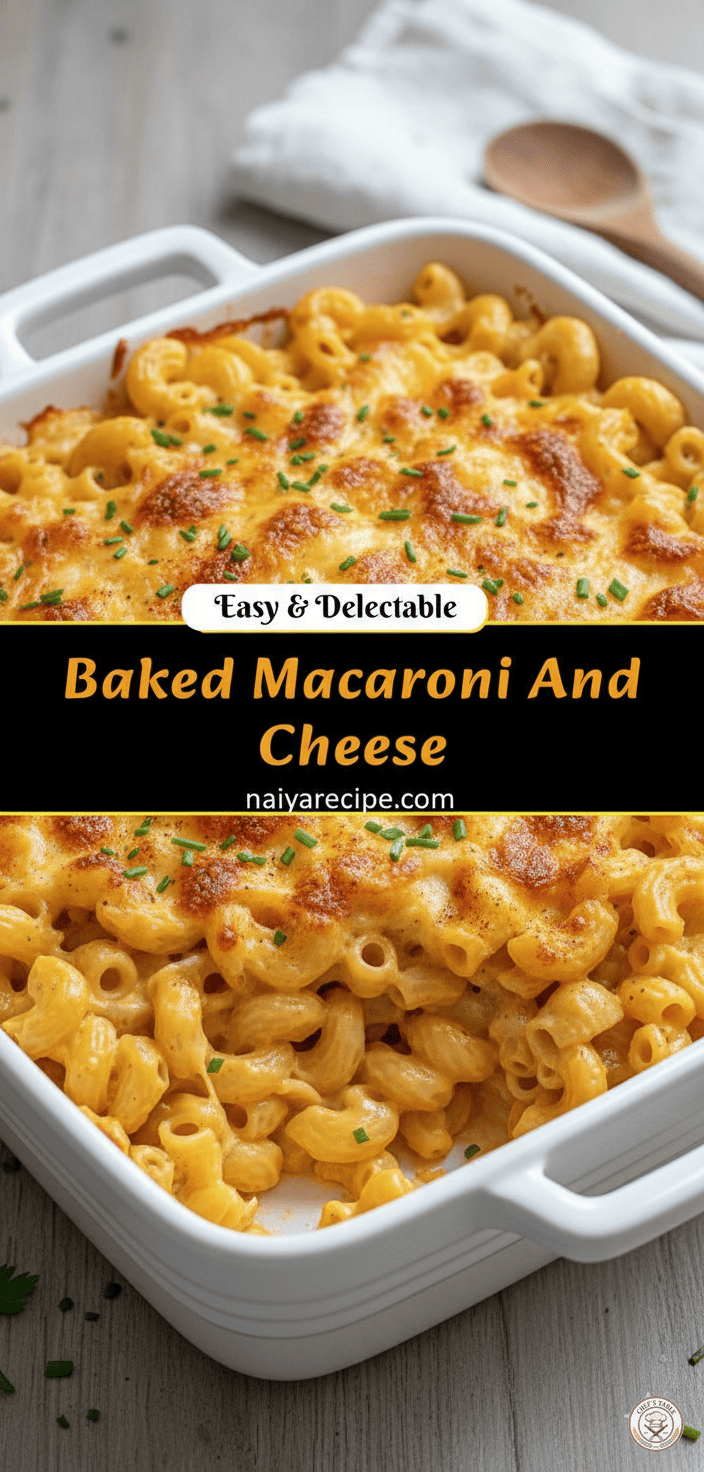
Baked macaroni and cheese is the quintessential comfort food, a dish that evokes warmth, nostalgia, and pure culinary bliss. It’s more than just a meal; it’s an experience, a creamy, cheesy hug in a bowl that satisfies the soul. This isn’t just any baked mac and cheese recipe, though. This is a journey to create the ultimate version—easy enough for a weeknight, yet decadent enough for a special occasion, and utterly delectable with every single bite.
The magic of baked macaroni and cheese lies in its simplicity and the transformation of humble ingredients into something extraordinary. Pasta, cheese, and milk (or cream) are the stars, but it’s the technique, the balance of flavors, and the love put into it that truly elevate this dish. Our goal here is to achieve that perfect golden-brown crust on top, a creamy, luscious interior, and a flavor profile that sings with cheesy goodness without being overly complicated.
The Foundation: Choosing Your Ingredients Wisely
As with any great recipe, the quality of your ingredients makes a significant difference. You don’t need exotic items, but thoughtful selection will pay dividends in flavor and texture.
1. The Pasta:
Elbow macaroni is the classic choice for a reason. Its small, curved shape is perfect for cradling that rich cheese sauce. However, feel free to experiment with other short pasta shapes like cavatappi, shells, or even penne. The key is to choose a pasta that has nooks and crannies to hold the sauce and doesn’t get lost in the cheesy richness.
- Cooking the Pasta: Always cook your pasta al dente—just slightly firm to the bite. It will continue to cook in the oven, and you want it to retain some structure, not become mushy. Overcooked pasta is the nemesis of good baked mac and cheese.
2. The Cheese Blend:
This is where the magic truly happens. A single cheese can be good, but a blend creates layers of flavor and ensures the perfect melt and stretch.
- Sharp Cheddar: This is non-negotiable for its robust, tangy flavor. It provides the backbone of our cheese sauce. Look for a good quality aged sharp cheddar.
- Gruyere or White Cheddar: For a sophisticated nutty note and incredible melt, Gruyere is fantastic. If you prefer a milder, equally creamy option, a good quality white cheddar works wonderfully.
- Mozzarella (Optional, but Recommended): While not traditional in all recipes, a touch of low-moisture mozzarella adds an unbeatable stretch and gooey factor that makes every spoonful irresistible.
- Aged Parmesan (Optional): A sprinkle of finely grated Parmesan can add a salty, umami kick, particularly for the topping.
- Grating Your Own Cheese: This is a crucial tip. Pre-shredded cheeses are often coated with anti-caking agents like cellulose, which can make your sauce gritty and prevent it from melting smoothly. Invest a few minutes to grate your own cheese from blocks; the difference is night and day.
3. The Dairy:
- Milk: Whole milk is preferred for its richness and creaminess. Lower-fat milk can be used, but you might sacrifice some of the decadent texture.
- Evaporated Milk or Heavy Cream (Optional): For an extra luxurious sauce, consider substituting some of the whole milk with evaporated milk or a splash of heavy cream. This adds an incredible velvety texture without making the sauce overly thick.
4. The Roux:
The roux (a mixture of fat and flour) is the foundation of our cheese sauce, providing thickness and stability.
- Butter: Unsalted butter is best for controlling the salt content of the dish.
- All-Purpose Flour: This is what thickens our sauce. A good quality all-purpose flour will do the trick.
5. Seasonings:
Beyond salt and freshly ground black pepper, a few key seasonings elevate the flavor profile.
- Dry Mustard Powder: This is a secret weapon in cheese sauces. It doesn’t make the mac and cheese taste like mustard; rather, it amplifies the cheesy flavor and adds a subtle tang.
- Smoked Paprika: A pinch of smoked paprika can add a wonderful depth and warmth.
- Nutmeg: A tiny grating of fresh nutmeg (or a pinch of ground nutmeg) is another classic addition to cheese sauces, enhancing their richness.
- Hot Sauce (Optional): A dash or two of your favorite hot sauce won’t make the dish spicy, but it will add another layer of complexity and a subtle kick.
- Garlic Powder/Onion Powder (Optional): These can add a savory background note without the texture of fresh garlic or onion.
The Method: Building Layers of Flavor and Texture
Creating truly delectable baked macaroni and cheese is a straightforward process, but it benefits from attention to detail at each step.
Step 1: Prep the Pasta
Bring a large pot of salted water to a rolling boil. Add your elbow macaroni and cook according to package directions, but aim for al dente. This typically means cooking it for 1-2 minutes less than the recommended time. Drain thoroughly and set aside. Do not rinse the pasta; the starch clinging to it will help the sauce adhere better.
Step 2: Make the Béchamel (Roux-Based Sauce)
In a large, heavy-bottomed pot or Dutch oven, melt the unsalted butter over medium heat. Once the butter is melted and slightly foamy, whisk in the all-purpose flour. Cook this mixture, stirring constantly, for 1-2 minutes. This creates a roux. You want to cook out the raw flour taste, but avoid browning it too much, as we want a light-colored sauce.
Gradually whisk in the milk, a little at a time, until smooth. Continue whisking as the sauce heats and thickens. Bring the mixture to a gentle simmer, stirring frequently, until it coats the back of a spoon. This should take about 5-7 minutes. If you add the milk too quickly, you might get lumps, so go slowly!
Step 3: Infuse with Flavor and Cheese
Remove the pot from the heat. Whisk in the dry mustard powder, smoked paprika, nutmeg, salt, and freshly ground black pepper. Now, it’s time for the cheese.
Add your grated cheeses to the sauce in batches, stirring constantly until each batch is fully melted and incorporated before adding the next. This ensures a smooth, lump-free sauce. The residual heat from the béchamel should be enough to melt the cheese beautifully. If your sauce cools too much, you can place it back on very low heat, but be careful not to boil the sauce, as this can make the cheese separate or become oily.
Taste the sauce and adjust seasonings as needed. This is your chance to add that optional dash of hot sauce or a bit more salt.
Step 4: Combine Pasta and Sauce
Add the drained, al dente macaroni directly into the cheese sauce. Stir gently but thoroughly, ensuring every piece of pasta is coated in the luxurious sauce.
Step 5: Prepare for Baking
Preheat your oven to 375°F (190°C). Lightly grease a 9×13 inch baking dish (or a similar size, like a large cast iron skillet as shown in the image).
Pour the macaroni and cheese mixture into the prepared baking dish, spreading it evenly.
Step 6: The Crispy Topping (Optional, but Highly Recommended)
While optional, a crunchy, golden topping takes baked mac and cheese from great to extraordinary.
- Breadcrumbs: A simple topping of panko breadcrumbs mixed with a little melted butter and a sprinkle of Parmesan (if using) provides a fantastic textural contrast.
- More Cheese: A final layer of sharp cheddar or a mix of your chosen cheeses sprinkled over the top before baking will create that irresistible bubbly, browned crust.
Sprinkle your chosen topping evenly over the macaroni and cheese.
Step 7: Bake to Perfection
Bake in the preheated oven for 25-35 minutes, or until the macaroni and cheese is bubbly around the edges and the topping is golden brown and crispy. The exact time will depend on your oven and the depth of your baking dish.
Step 8: Rest and Serve
Once out of the oven, let the baked macaroni and cheese rest for 5-10 minutes before serving. This allows the sauce to set slightly, making it easier to serve and preventing it from being too runny. Garnish with fresh chopped chives or parsley if desired, for a touch of freshness and color.
Tips for Mac and Cheese Mastery
- Don’t Overcook the Pasta: We’ve said it before, but it bears repeating. Al dente pasta is crucial for texture.
- Grate Your Own Cheese: Seriously, it makes a huge difference in the smoothness of your sauce.
- Room Temperature Milk: If your milk is cold, it can cause the roux to seize up. Letting it sit out for a bit before adding can help.
- Whisk Constantly: Especially when adding the milk to the roux and melting the cheese, continuous whisking prevents lumps.
- Don’t Skimp on Seasoning: Salt and pepper are just the beginning. The dry mustard and nutmeg are subtle but powerful flavor enhancers.
- Clean Up as You Go: A tidy kitchen makes the cooking process more enjoyable.
- Adjust Thickness: If your sauce is too thick, whisk in a little more warm milk. If it’s too thin, simmer gently for a few more minutes to reduce, or make a very small slurry of cornstarch and water, and whisk it in a little at a time while simmering.
- Serving Suggestions: Baked mac and cheese is a hearty meal on its own, but it also pairs wonderfully as a side dish with roasted chicken, grilled vegetables, or a fresh green salad to cut through the richness.
Troubleshooting Common Mac and Cheese Mishaps
- Grainy Sauce: This is almost always due to using pre-shredded cheese with anti-caking agents, or overheating the cheese sauce. Always grate your own and remove the sauce from direct heat before stirring in the cheese.
- Oily Sauce: This can happen if the cheese gets too hot and the fats separate. Again, keep the heat low and add cheese gradually off the heat. If it happens, you can sometimes whisk vigorously to bring it back together, or add a splash of cold milk and whisk.
- Too Runny: Not enough roux, or not simmering the béchamel long enough. Make sure your flour-to-butter ratio is correct and the sauce has thickened sufficiently before adding cheese.
- Too Dry: The pasta might have absorbed too much sauce during baking or cooling. Ensuring your pasta is perfectly al dente and not over-baked can help. Adding a splash of milk or cream to leftovers when reheating can also revive it.
Variations to Explore
Once you’ve mastered the classic, don’t be afraid to experiment!
- Spicy Kick: Add a pinch of cayenne pepper or finely diced jalapeños (deseeded for less heat) to the cheese sauce.
- Herbaceous Notes: Fresh thyme, rosemary, or sage can be lovely additions, particularly if serving with roasted meats. Add them to the béchamel as it simmers.
- Vegetable Boost: Stir in cooked, puréed butternut squash or pumpkin into the cheese sauce for extra creaminess and a nutritional boost. Roasted broccoli florets or sautéed mushrooms can also be folded in.
- Smoky Flavor: A tiny bit of liquid smoke or smoked gouda cheese can add a deep, smoky undertone.
- Different Toppings: Crushed potato chips, crispy fried onions, or even crumbled savory crackers can provide an interesting textural contrast to the breadcrumbs.
Baked macaroni and cheese is more than just a recipe; it’s a canvas for culinary creativity and a source of unparalleled comfort. This easy and delectable version ensures a perfect result every time, providing a dish that will be loved by family and friends alike. So gather your ingredients, fire up your oven, and prepare to indulge in the ultimate cheesy masterpiece.
naiyarecipe.com