
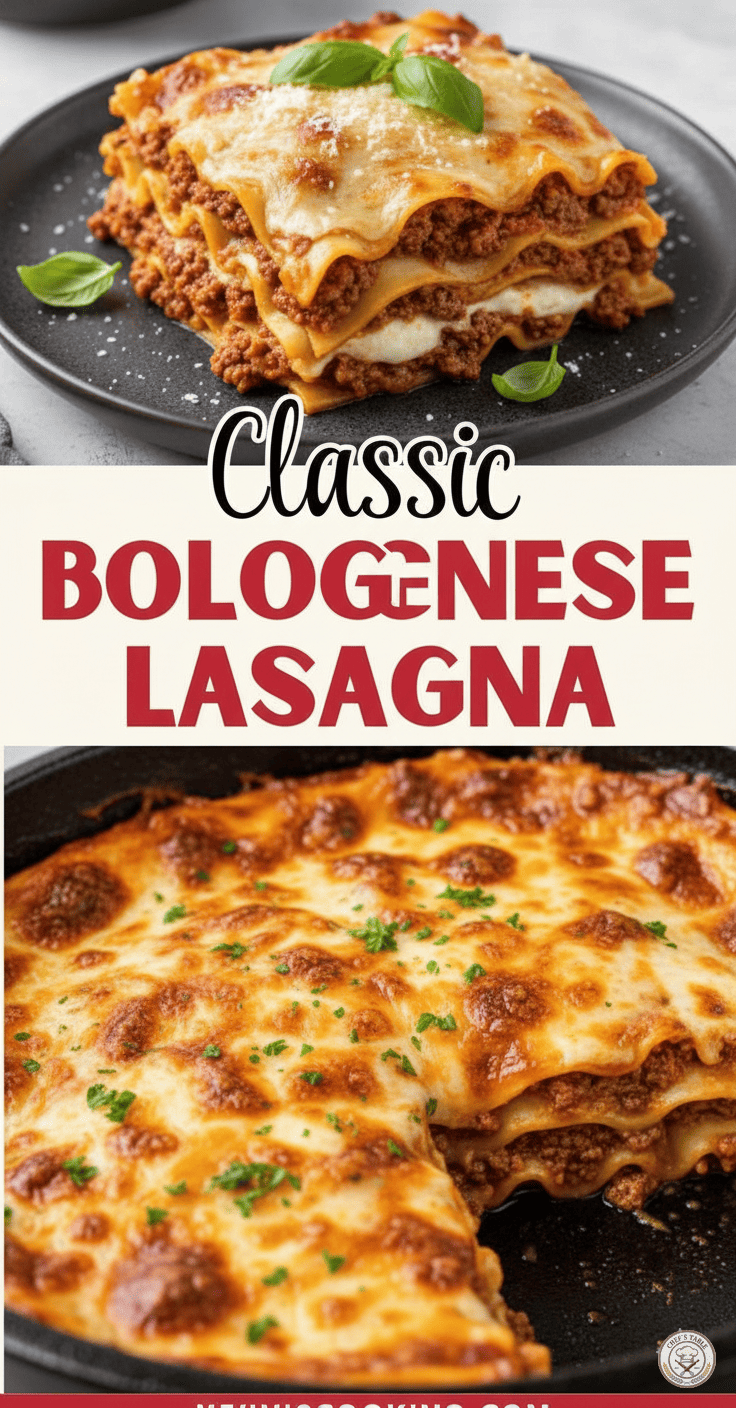
Lasagna, a dish that evokes warmth, comfort, and the joy of shared meals, holds a special place in the hearts of food lovers worldwide. Among its many variations, Classic Bolognese Lasagna stands out as a true masterpiece. This isn’t just a meal; it’s an experience, a journey through layers of rich, savory meat sauce, creamy béchamel, tender pasta, and melted cheese, all baked to golden perfection. While many perceive lasagna as a labor-intensive endeavor, this guide aims to demystify the process, making it accessible and enjoyable for every home cook. Forget the shortcuts and embrace the authentic method, because the reward—a truly unforgettable lasagna—is worth every moment.
The Heart of the Dish: The Bolognese Sauce
The soul of any Classic Bolognese Lasagna lies in its meat sauce. This isn’t a quick marinara; it’s a slow-cooked, deeply flavored ragù that develops complexity over hours. Our Bolognese will be a celebration of rich, savory notes, achieved through careful layering of ingredients and patient simmering.
Ingredients for the Bolognese:
- 2 tablespoons olive oil
- 1 large onion, finely chopped
- 2 carrots, finely chopped
- 2 celery stalks, finely chopped
- 2 cloves garlic, minced
- 1.5 pounds ground beef (80/20 fat ratio for best flavor)
- 1 (28-ounce) can crushed tomatoes
- 1 cup beef broth
- 1/2 cup milk (whole milk preferred for richness)
- 1 bay leaf
- 1/2 teaspoon dried oregano
- Salt and freshly ground black pepper to taste
- A pinch of nutmeg (optional, but highly recommended for authentic flavor)
Instructions for the Bolognese:
- Sauté the Aromatics: Heat the olive oil in a large, heavy-bottomed pot or Dutch oven over medium heat. Add the chopped onion, carrots, and celery (this trio is known as soffritto and forms the flavor base of many Italian dishes). Cook gently, stirring occasionally, until the vegetables soften and become translucent, about 8-10 minutes. Do not brown them.
- Add Garlic and Meat: Stir in the minced garlic and cook for another minute until fragrant. Add the ground beef, breaking it up with a spoon. Cook until the meat is thoroughly browned, stirring frequently to prevent large clumps. Drain off any excess fat.
- Deglaze and Simmer: Pour in the crushed tomatoes and beef broth. Add the milk, bay leaf, dried oregano, nutmeg (if using), salt, and pepper. The milk might seem like an unusual addition, but it tenderizes the meat and adds a subtle sweetness and richness that balances the acidity of the tomatoes.
- Slow Cook for Flavor: Bring the sauce to a gentle simmer. Once simmering, reduce the heat to low, cover partially, and let it cook for at least 2 hours, or ideally 3-4 hours, stirring occasionally. The longer it simmers, the more the flavors will meld and deepen, and the meat will become incredibly tender. If the sauce becomes too thick, you can add a little more broth or water. Taste and adjust seasonings as needed before removing from heat. Discard the bay leaf.
The Creamy Counterpart: Béchamel Sauce
Béchamel is a classic French white sauce, and its inclusion in Bolognese lasagna is a testament to the dish’s historical evolution and regional variations in Italy. It provides a luxurious creaminess that contrasts beautifully with the robust meat sauce, adding moisture and richness that cheese alone cannot achieve.
Ingredients for the Béchamel:
- 1/2 cup unsalted butter
- 1/2 cup all-purpose flour
- 4 cups whole milk, warmed
- 1/2 teaspoon salt
- A pinch of white pepper
- A pinch of nutmeg (essential for béchamel)
Instructions for the Béchamel:
- Make a Roux: In a medium saucepan, melt the butter over medium heat. Once melted, add the flour and whisk constantly for 2-3 minutes to create a smooth paste, or “roux.” This cooks out the raw flour taste.
- Whisk in Milk: Gradually whisk in the warmed milk, a little at a time, ensuring each addition is fully incorporated before adding more. Continue whisking constantly to prevent lumps.
- Simmer to Thicken: Bring the sauce to a gentle simmer, still whisking. Reduce the heat to low and continue to cook, stirring frequently, for 5-7 minutes, until the sauce thickens enough to coat the back of a spoon.
- Season: Stir in the salt, white pepper, and nutmeg. Remove from heat. Keep the béchamel warm, or cover it with plastic wrap pressed directly onto the surface to prevent a skin from forming if you’re not using it immediately.
The Foundation: Pasta and Cheese
No lasagna is complete without the layers of pasta and cheese that bind everything together.
Ingredients for the Rest of the Lasagna:
- 1 pound lasagna noodles (oven-ready or traditional, cooked according to package directions)
- 4 cups shredded mozzarella cheese
- 1 cup grated Parmesan cheese (plus extra for serving)
- Fresh basil or parsley for garnish (optional)
Preparing the Pasta:
If using traditional lasagna noodles, boil them in a large pot of salted water until al dente. Drain them and lay them flat on a baking sheet lined with parchment paper or a clean kitchen towel to prevent sticking. If using oven-ready noodles, no pre-cooking is necessary, which can save a step.
Assembling the Classic Bolognese Lasagna
This is where all your hard work comes together! The layering process is crucial for creating that iconic, satisfying lasagna cross-section.
What you’ll need:
- A 9×13 inch baking dish
Assembly Steps:
- Prepare your Workspace: Preheat your oven to 375°F (190°C). Have all your components ready: Bolognese sauce, béchamel sauce, cooked (if using traditional) lasagna noodles, mozzarella, and Parmesan cheese.
- First Layer of Sauce: Spread a thin layer of Bolognese sauce (about 1/2 cup) on the bottom of your baking dish. This prevents the pasta from sticking and adds flavor to the very first bite.
- Pasta Layer: Arrange a single layer of lasagna noodles over the Bolognese sauce. Depending on your dish size, you may need to break some noodles to fit.
- Bolognese Layer: Spread about 1.5 – 2 cups of Bolognese sauce evenly over the pasta.
- Béchamel Layer: Drizzle or spread about 1 cup of béchamel sauce over the Bolognese.
- Cheese Layer: Sprinkle generously with mozzarella and a little Parmesan cheese.
- Repeat the Layers: Continue layering in this order: pasta, Bolognese, béchamel, and cheese. You should aim for 3-4 layers of pasta in total.
- The Grand Finale Layer: For the top layer, after the final pasta layer, generously cover with Bolognese sauce, then a thick layer of béchamel, and finally, a generous blanket of both mozzarella and Parmesan cheese. This will create a beautiful golden-brown crust.
- Cover and Bake: Cover the baking dish tightly with aluminum foil. Bake for 25 minutes. Covering prevents the top from browning too quickly and ensures the pasta cooks through and the internal layers heat evenly.
- Uncover and Brown: Remove the foil and bake for another 20-30 minutes, or until the top is bubbling, golden brown, and the cheese is melted and slightly caramelized at the edges. If you like an extra-crispy cheese topping, you can briefly turn on the broiler for the last few minutes, but watch it very carefully to prevent burning.
- Rest Before Serving: This is arguably the most important step! Once out of the oven, let the lasagna rest for at least 15-20 minutes before slicing and serving. This allows the layers to set, preventing the lasagna from collapsing into a messy pile when cut. It also ensures the sauce has time to redistribute, leading to a more cohesive and enjoyable slice.
Serving Suggestions and Variations
Serve your Classic Bolognese Lasagna hot, garnished with fresh basil or parsley if desired. A simple green salad with a vinaigrette dressing and some crusty bread are the perfect accompaniments to complete this hearty meal.
Variations to Consider:
- Vegetable Boost: While not traditional, you can finely dice bell peppers or mushrooms and add them to the soffritto for extra nutrients and flavor.
- Spice It Up: A pinch of red pepper flakes in the Bolognese sauce can add a subtle kick.
- Herbaceous Notes: Experiment with different herbs in the Bolognese, such as a touch of fresh rosemary or thyme, for a different aromatic profile.
- Cheese Blends: While mozzarella and Parmesan are classic, feel free to experiment with other melting cheeses like provolone or fontina for a unique twist.
The Timeless Appeal of Lasagna
Making a Classic Bolognese Lasagna is more than just cooking; it’s an act of love and patience. From the simmering of the rich Bolognese to the careful layering of ingredients, each step contributes to a dish that is deeply satisfying and universally loved. It’s the kind of meal that brings people together, fostering conversations and creating lasting memories around the table.
This recipe, while requiring a bit of time, is designed to be approachable, guiding you through each stage with clarity. The result is a lasagna that is far superior to any store-bought version, boasting authentic flavors and a comforting appeal that will make it a cherished favorite in your culinary repertoire. So, gather your ingredients, set aside an afternoon, and embark on the delightful journey of creating your very own Classic Bolognese Lasagna. Your taste buds, and your loved ones, will thank you.
Enjoy the process, savor the aroma filling your kitchen, and most importantly, delight in the glorious taste of a truly classic dish. This is comfort food at its finest, a timeless culinary treasure waiting to be rediscovered in your own home.
For more delightful recipes and culinary inspiration, visit naiyarecipe.com.