
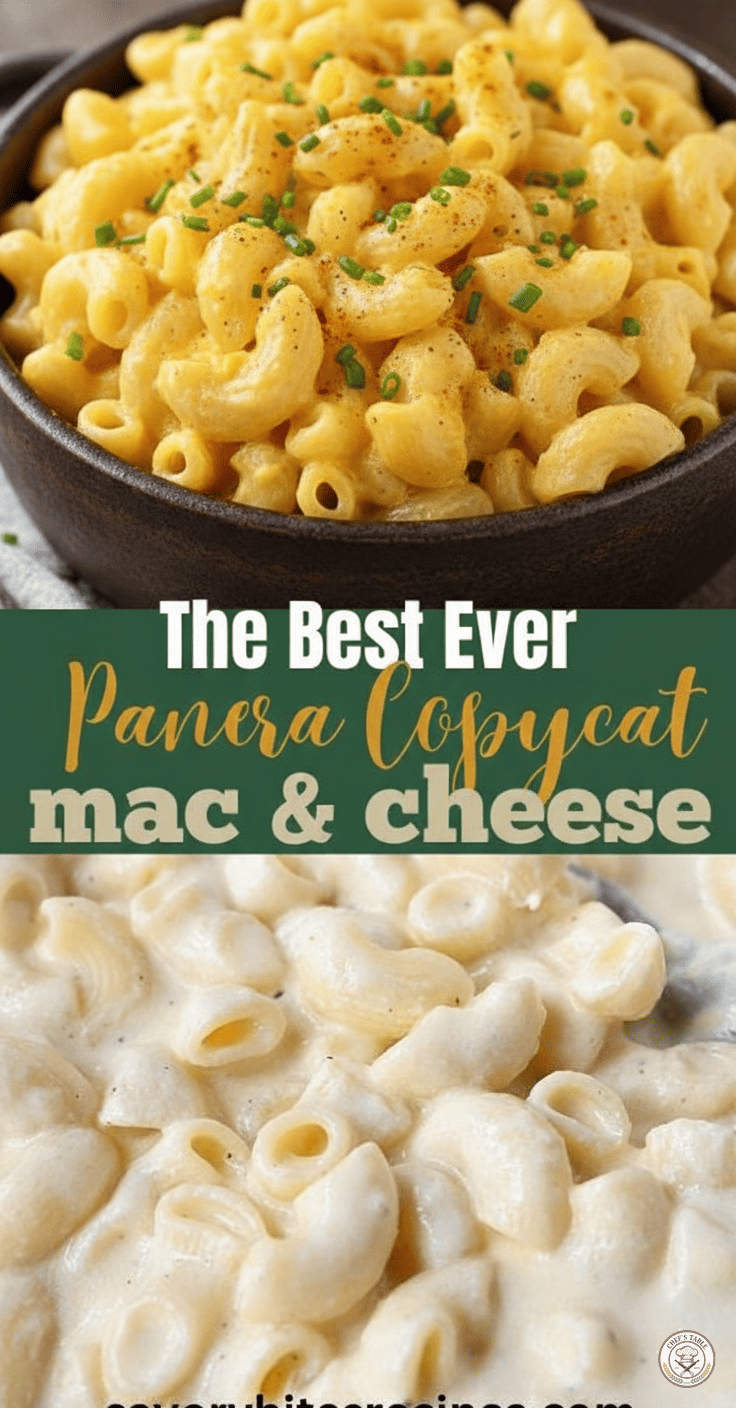
There are some dishes that evoke a comforting warmth, a sense of nostalgia, and a pure, unadulterated joy with every single bite. Panera Bread’s Mac & Cheese is undeniably one of them. Its creamy, velvety sauce, perfectly cooked elbow macaroni, and subtly tangy flavor have captured the hearts (and stomachs) of countless fans across the globe. It’s the kind of dish you crave on a chilly evening, a quick lunch, or when you just need a little culinary hug. But what if you could recreate that magic in your own kitchen? What if you could whip up a batch of that iconic mac & cheese, anytime you wished, without even leaving your house?
Well, prepare yourself, because that’s exactly what we’re going to do today. This recipe isn’t just a close imitation; it’s a meticulously crafted tribute designed to bring the authentic taste and texture of Panera’s beloved mac & cheese right to your dining table. We’ve dissected every element, from the choice of cheese to the cooking technique, to ensure that each spoonful delivers that familiar, delightful experience. Get ready to impress your family and friends, or simply treat yourself to a glorious bowl of homemade comfort.
The Secret Behind the Creaminess: A Deep Dive into the Cheese Sauce
The cornerstone of any great mac & cheese is, without a doubt, its sauce. And for a Panera copycat, that means achieving a sauce that is not just cheesy, but incredibly smooth, rich, and utterly luxurious. It’s a sauce that coats every single noodle, never breaks, and always leaves you wanting more.
The secret? A carefully selected blend of cheeses and a specific technique for melting them into a béchamel base.
Cheese Selection is Key:
While many mac & cheese recipes call for just one or two types of cheese, achieving that signature Panera flavor requires a bit more nuance. We’re looking for cheeses that offer a balance of sharpness, creaminess, and excellent melting properties.
- White Cheddar: This is your primary player. A good quality sharp white cheddar provides the tangy, savory backbone of the sauce. It delivers that classic cheddar flavor without overpowering the other elements. Look for a block of sharp white cheddar and grate it yourself. Pre-shredded cheeses often contain anti-caking agents that can make your sauce gritty.
- American Cheese (White, specifically): Now, before you wrinkle your nose, hear me out. Processed American cheese, particularly the white variety, is a secret weapon in achieving an ultra-smooth, perfectly emulsified sauce. It contains emulsifying salts that prevent the cheese from separating and becoming oily, ensuring a consistently velvety texture. It also adds a subtle creaminess that is crucial to the Panera profile. You can often find high-quality white American cheese at the deli counter.
- Cream Cheese: A small amount of cream cheese adds an extra layer of richness and tang, enhancing the overall creaminess and providing a slight acidity that balances the richness of the other cheeses. It contributes to that almost “melted milkshake” texture that makes Panera’s mac & cheese so addictive.
Building the Béchamel Base:
The béchamel is the foundation upon which our glorious cheese sauce is built. It’s a classic French mother sauce made from a roux (butter and flour) and milk. Getting this right is essential for a smooth, lump-free sauce.
- Start with a Roux: Melt unsalted butter in a heavy-bottomed saucepan over medium heat. Once melted, whisk in all-purpose flour. You’ll want to cook this mixture for about 1-2 minutes, constantly whisking, until it forms a pale, nutty-smelling paste. This cooks out the raw flour taste.
- Gradually Add Milk: This is where patience pays off. Slowly whisk in warm milk, a little at a time, ensuring that each addition is fully incorporated and smooth before adding more. Using warm milk helps prevent lumps. Continue whisking until the mixture thickens to a consistency similar to a thin gravy.
- Seasoning the Base: Before adding the cheese, season your béchamel with a pinch of salt, freshly ground black pepper, a touch of dry mustard powder, and a dash of nutmeg. The dry mustard doesn’t make the sauce taste like mustard; rather, it enhances the cheesiness. Nutmeg, while seemingly unusual, adds a subtle warmth and depth that really elevates cheese sauces.
Melting the Cheeses:
Once your béchamel is smooth and simmering, it’s time for the stars of the show – the cheeses.
- Reduce the heat to low.
- Add the grated white cheddar, cubed American cheese, and cream cheese to the béchamel.
- Stir constantly until all the cheeses are completely melted and the sauce is perfectly smooth and homogenous. Do not let the sauce boil once the cheese is added, as this can cause it to separate. If the sauce seems too thick, you can add a splash more warm milk until it reaches your desired consistency.
The Perfect Noodle: Elbow Macaroni Matters
While the sauce is paramount, the choice and preparation of the pasta are equally important. For a true Panera copycat, elbow macaroni is the only way to go. Its small, curved shape is ideal for capturing and holding onto every drop of that luscious cheese sauce.
Cooking the Pasta:
- Generous Amount of Water & Salt: Use a large pot of generously salted water. The salt seasons the pasta from the inside out, making a huge difference in the final flavor of the dish.
- Al Dente is Key: Cook the elbow macaroni according to package directions, but aim for al dente – meaning it’s still firm to the bite. Remember, the pasta will continue to cook slightly when mixed with the hot cheese sauce. Overcooked, mushy pasta is the enemy of good mac & cheese.
- Drain, But Don’t Rinse: Drain the pasta thoroughly after cooking, but do not rinse it. Rinsing removes the starch that helps the sauce cling to the noodles.
Bringing It All Together: The Assembly
Once your perfect cheese sauce is ready and your al dente macaroni is drained, it’s time for the magical moment of combining them.
- Combine Gently: Add the drained macaroni directly to the warm cheese sauce.
- Stir to Coat: Gently fold the macaroni into the sauce, ensuring every single noodle is completely coated in that glorious, creamy goodness.
- Taste and Adjust: Taste a spoonful. Does it need a little more salt? A crack of fresh black pepper? Adjust the seasonings to your preference. Remember, the flavor of cheese can vary, so a final seasoning check is always a good idea.
Tips for the Best Panera Copycat Mac & Cheese
- Freshly Grate Your Cheese: As mentioned, pre-shredded cheeses contain anti-caking agents (like cellulose) that can make your sauce grainy and prevent it from melting smoothly. Invest a few extra minutes to grate your own cheese from a block – it makes a world of difference.
- Low and Slow for the Cheese: When melting the cheese into the béchamel, keep the heat on low. High heat can cause the cheese to seize up or separate, resulting in an oily, broken sauce. Patience is a virtue here.
- Don’t Overcook the Pasta: Al dente is crucial. Slightly undercooked pasta will continue to absorb some of the sauce and finish cooking to perfection.
- Serve Immediately: While leftovers are delicious, mac & cheese is always best served fresh, when the sauce is at its creamiest and the pasta is perfectly tender.
- Reheating Leftovers: If you do have leftovers, reheat them gently on the stovetop over low heat, stirring frequently and adding a splash of milk or cream to loosen the sauce back to its original consistency.
- Spice It Up (Optional): For those who enjoy a little kick, a pinch of cayenne pepper or a dash of hot sauce can be added to the cheese sauce.
- Garnish (Optional): A sprinkle of fresh chopped chives or a dash of paprika can add a nice touch of color and a hint of extra flavor.
Why This Recipe Works
This Panera copycat mac & cheese recipe isn’t just a collection of ingredients; it’s a symphony of flavors and textures designed to replicate an iconic dish. The careful balance of sharp white cheddar for flavor, American cheese for unparalleled creaminess, and cream cheese for tang and richness creates a sauce that is both complex and comforting. The béchamel base provides the perfect structure, ensuring the sauce is smooth and luxurious, while the al dente elbow macaroni offers the ideal canvas to hold all that cheesy goodness.
It’s a testament to the fact that with a little attention to detail and a few key ingredients, you can recreate restaurant-quality dishes in your own home, often surpassing them in freshness and flavor. This mac & cheese is more than just a meal; it’s an experience, a journey back to that feeling of cozy comfort that only a truly exceptional bowl of mac & cheese can provide.
Serving Suggestions
This “Best Ever Panera Copycat Mac & Cheese” is hearty enough to be a meal on its own, especially with a simple side salad. However, it also makes a fantastic side dish for a variety of main courses.
- With Grilled or Roasted Chicken: The richness of the mac & cheese pairs beautifully with lean protein like grilled chicken breast or a juicy roasted chicken.
- As a Side for Sandwiches: Just like at Panera, it’s the perfect companion to your favorite sandwich or panini.
- Alongside Steamed Vegetables: A vibrant side of broccoli, green beans, or asparagus adds a fresh contrast to the creamy pasta.
- With Simple Roasted Meat: Pair it with a simple roasted beef or lamb for a comforting Sunday dinner.
Frequently Asked Questions
Q: Can I use different types of cheese?
A: While you can experiment, the specific blend of white cheddar, American cheese, and cream cheese is what gives this recipe its authentic Panera flavor and texture. Swapping them out might result in a delicious mac & cheese, but it won’t be a true copycat. If you absolutely must, you could try substituting part of the white cheddar with a mild yellow cheddar, but be aware it will change the color and flavor slightly. Avoid cheeses that don’t melt well, like fresh mozzarella or crumbly cheeses.
Q: My sauce is lumpy. What went wrong?
A: Lumpy sauce usually happens if the flour wasn’t fully cooked in the roux, or if the milk was added too quickly and not whisked thoroughly. To fix it, you can try whisking vigorously over low heat. If it’s still lumpy, you can pass the sauce through a fine-mesh sieve before adding the pasta, but prevention is easier!
Q: My sauce is too thick/thin. How can I adjust it?
A: If the sauce is too thick, gradually whisk in a little more warm milk until it reaches your desired consistency. If it’s too thin, you can let it simmer gently for a few more minutes, stirring frequently, to allow it to reduce and thicken. However, adding cheese too quickly or at too high a heat can also make it separate and appear thin/oily.
Q: Can I make this ahead of time?
A: Mac & cheese is always best served fresh. The pasta tends to absorb the sauce and can become less creamy over time. However, you can prepare the cheese sauce ahead of time and store it in an airtight container in the refrigerator for up to 2-3 days. When ready to serve, gently reheat the sauce over low heat, adding a splash of milk or cream to loosen it, then cook fresh pasta and combine.
Q: Is this recipe vegetarian?
A: Yes, this recipe is vegetarian, as it contains no meat products.
Conclusion
There you have it – the definitive guide to making “The Best Ever Panera Copycat Mac & Cheese” right in your own kitchen. This recipe is more than just a meal; it’s an experience, a journey back to that feeling of cozy comfort that only a truly exceptional bowl of mac & cheese can provide. The combination of carefully selected cheeses, a perfectly executed béchamel, and al dente pasta culminates in a dish that is rich, creamy, and utterly irresistible.
So, the next time that Panera craving hits, don’t reach for your car keys. Instead, grab your apron, gather your ingredients, and prepare to embark on a culinary adventure that will fill your home with delicious aromas and your belly with pure comfort. This recipe proves that sometimes, the best things in life (and the best mac & cheese) are made right where the heart is – at home. Enjoy every creamy, cheesy bite!