
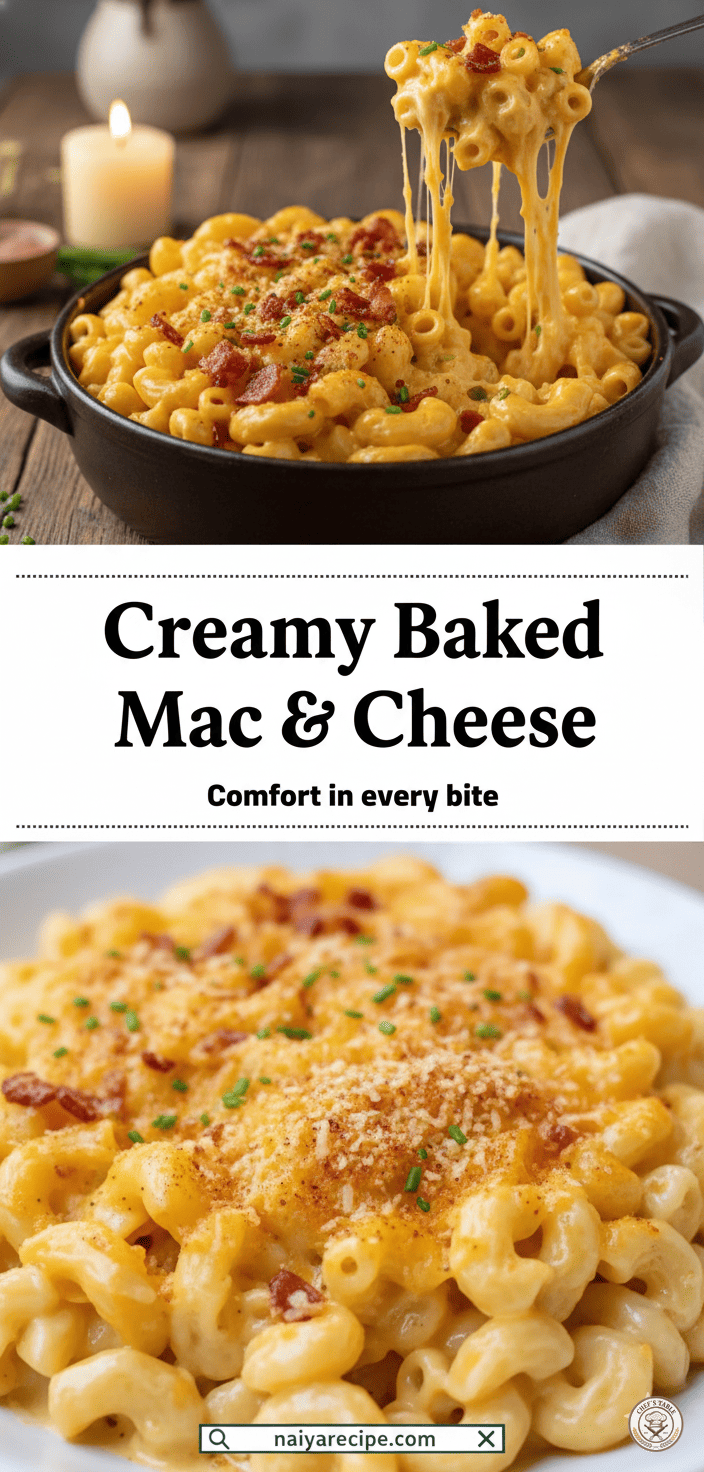
Macaroni and cheese, a dish that needs no introduction, stands as a pillar of comfort food. It’s a dish that transcends generations, cultures, and dietary preferences, offering a warm embrace with every forkful. Today, we’re not just making mac and cheese; we’re crafting an experience: a creamy baked mac & cheese that delivers pure comfort in every single bite. This recipe is designed to be approachable for home cooks of all skill levels, ensuring a delightful and satisfying meal without the fuss.
The Allure of Homemade Mac & Cheese
There’s a significant difference between store-bought, pre-packaged mac and cheese and a homemade version. While convenience has its place, the depth of flavor, the customizability, and the sheer joy of creating something so delicious from scratch are unparalleled. Homemade mac and cheese allows you to control the quality of ingredients, adjust seasonings to your liking, and most importantly, achieve that perfect creamy, gooey texture that defines an exceptional dish.
This particular recipe for creamy baked mac & cheese takes the classic stovetop version a step further by introducing a baking stage. This not only creates an irresistible golden-brown topping but also allows the flavors to meld beautifully, resulting in a more complex and satisfying experience. The baking process also contributes to a slightly firmer, yet still incredibly tender, pasta texture that holds up well.
Understanding the Foundation: The Roux and the Cheese Sauce
At the heart of any great mac and cheese is a well-made cheese sauce, and the foundation of that sauce is a roux. A roux is a mixture of cooked fat (in this case, butter) and flour, used as a thickening agent. It’s crucial for achieving that silky-smooth consistency we crave in a cheese sauce.
The Perfect Roux
- Melting the Butter: Start by melting unsalted butter in a heavy-bottomed pot or Dutch oven over medium heat. The key here is not to burn the butter, but to get it to a nice, shimmering liquid state.
- Adding the Flour: Once the butter is melted, whisk in an equal amount of all-purpose flour. Continue whisking constantly for 1-2 minutes. This cooking time is vital; it cooks out the raw flour taste, ensuring your sauce doesn’t taste pasty. The mixture will form a thick paste.
- The Color of Your Roux: For a classic cheese sauce, we aim for a “blond” roux – a light, golden color that indicates the flour has been sufficiently cooked without taking on too much color. This allows the flavors of the cheese to shine through.
Building the Velvety Cheese Sauce
With your blond roux ready, it’s time to transform it into a luscious béchamel, the white sauce base for our cheese creation.
- Gradually Adding Milk: Slowly whisk in warm milk, a little at a time, into the roux. Using warm milk (gently heated in the microwave or a separate saucepan) helps prevent lumps. Continue whisking vigorously until each addition of milk is fully incorporated and the sauce is smooth before adding more. This gradual process is key to a lump-free sauce.
- Simmering and Thickening: Once all the milk is added, bring the sauce to a gentle simmer, stirring frequently. The sauce will gradually thicken as it simmers. Be patient; this process can take 5-7 minutes. You want a consistency that coats the back of a spoon.
- Seasoning the Sauce: Now comes the flavor! Season your béchamel with salt, freshly ground black pepper, a pinch of nutmeg, and a dash of cayenne pepper. Nutmeg might seem like an unusual addition, but it beautifully enhances the savory notes of cheese sauces without being overpowering. Cayenne pepper adds a very subtle warmth and depth without making the dish spicy.
- The Cheese Revelation: Remove the pot from the heat before adding the shredded cheese. This prevents the cheese from becoming oily or stringy. Add your cheeses in batches, stirring until each batch is fully melted and incorporated before adding the next. This ensures a smooth, homogeneous sauce.
The Star of the Show: The Cheese Blend
The choice of cheese is paramount in mac and cheese. While many recipes stick to a single cheese, a blend often provides a more complex and balanced flavor profile. For this creamy baked mac & cheese, we recommend a combination that offers both melting quality and robust flavor.
- Sharp Cheddar: This is a non-negotiable for its classic, tangy, and rich flavor. Always grate your own cheddar from a block. Pre-shredded cheeses often contain anti-caking agents that can prevent them from melting smoothly and result in a slightly grainy sauce.
- Gruyère or White Cheddar: Adding Gruyère introduces a nutty, earthy depth that elevates the dish significantly. If Gruyère isn’t readily available or you prefer a milder flavor, a good quality white cheddar is an excellent substitute, offering a creamy texture and subtle tang.
- A Touch of Monterey Jack: For supreme meltiness and a mild, buttery flavor that complements the sharper cheeses, Monterey Jack is a fantastic addition. It contributes to that irresistible stretch and gooeyness.
Experiment with your favorite cheeses! Smoked gouda, fontina, or even a little cream cheese (for extra creaminess) can also be wonderful additions depending on your preference.
The Perfect Pasta
Elbow macaroni is the traditional choice for mac and cheese, and for good reason. Its curved shape and ridges are perfect for capturing and holding onto that glorious cheese sauce. However, feel free to use other small pasta shapes like cavatappi, shell pasta, or even rotini. The key is to choose a pasta that can adequately cradle the sauce.
When cooking the pasta, remember to cook it al dente. This means cooking it slightly less than the package directions suggest, so it still has a bit of a bite. The pasta will continue to cook in the hot cheese sauce and during the baking process. Overcooked pasta will become mushy and lose its texture, which is a major no-no in mac and cheese.
The Art of the Topping: The Crispy Crust
While the creamy interior is the soul of our mac and cheese, the crispy topping is its crowning glory. It adds a delightful textural contrast and another layer of flavor.
- Simple Breadcrumbs: Panko breadcrumbs are excellent for creating a light, airy, and extra-crispy topping. You can toss them with a little melted butter and a pinch of your favorite seasoning (garlic powder, smoked paprika) before sprinkling them over the mac and cheese.
- Cheese and Breadcrumb Blend: For an extra cheesy crust, mix some of your reserved shredded cheese with the breadcrumbs. As it bakes, the cheese will melt and fuse with the breadcrumbs, creating an even more flavorful and satisfying crunch.
- Herbaceous Additions: Freshly chopped parsley or chives can be sprinkled over the top after baking for a burst of fresh flavor and color.
Step-by-Step Guide to Creamy Baked Mac & Cheese
Here’s how to bring all these elements together for an unforgettable dish:
Ingredients:
- 1 pound elbow macaroni (or similar small pasta shape)
- 6 tablespoons unsalted butter
- 6 tablespoons all-purpose flour
- 5 cups milk (whole milk recommended for ultimate creaminess)
- 1 teaspoon salt, plus more for pasta water
- 1/2 teaspoon black pepper
- 1/4 teaspoon ground nutmeg
- Pinch of cayenne pepper (optional, for subtle warmth)
- 3 cups shredded sharp cheddar cheese, divided
- 1 cup shredded Gruyère cheese (or white cheddar), divided
- 1 cup shredded Monterey Jack cheese, divided
- 1 cup panko breadcrumbs
- 2 tablespoons melted butter (for breadcrumbs)
Instructions:
- Preheat & Prep: Preheat your oven to 375°F (190°C). Lightly grease a 9×13-inch baking dish.
- Cook the Pasta: Bring a large pot of salted water to a rolling boil. Add the elbow macaroni and cook according to package directions until al dente (slightly firm to the bite). Drain well and set aside.
- Make the Roux: In a large, heavy-bottomed pot or Dutch oven, melt the 6 tablespoons of butter over medium heat. Once melted, whisk in the flour and cook, stirring constantly, for 1-2 minutes until a smooth, light blond roux forms.
- Build the Béchamel: Gradually whisk in the warm milk, a little at a time, until fully incorporated and smooth. Bring the sauce to a gentle simmer, whisking frequently, and cook for 5-7 minutes until the sauce thickens and coats the back of a spoon.
- Season the Sauce: Remove the pot from the heat. Stir in the 1 teaspoon of salt, black pepper, nutmeg, and cayenne pepper (if using).
- Add the Cheese: Add 2 cups of the sharp cheddar, 1/2 cup of the Gruyère, and 1/2 cup of the Monterey Jack to the sauce, stirring until completely melted and smooth. Reserve the remaining cheese for the topping.
- Combine Pasta and Sauce: Add the drained, cooked pasta to the cheese sauce and stir until all the pasta is evenly coated.
- Assemble in Baking Dish: Pour the mac and cheese mixture into the prepared baking dish, spreading it evenly.
- Prepare the Topping: In a small bowl, combine the panko breadcrumbs with the 2 tablespoons of melted butter. Sprinkle this mixture evenly over the top of the mac and cheese. Then, sprinkle the remaining 1 cup of sharp cheddar, 1/2 cup of Gruyère, and 1/2 cup of Monterey Jack cheese over the breadcrumbs.
- Bake: Bake for 25-30 minutes, or until the topping is golden brown and bubbly.
- Rest and Serve: Remove from the oven and let rest for 5-10 minutes before serving. This allows the sauce to set slightly, preventing it from being too runny.
Variations and Enhancements
While this recipe is fantastic as is, there are always ways to personalize and elevate your mac and cheese:
- Spice it Up: For those who love a bit of heat, consider adding a finely diced jalapeño or a pinch of smoked paprika to the cheese sauce. A dash of hot sauce, such as chipotle or sriracha, can also add a delightful kick.
- Garlic and Onion Infusion: Sauté a finely minced clove of garlic or a tablespoon of grated onion in the butter before adding the flour for the roux. This adds a subtle aromatic base to your sauce.
- Herbs: Fresh herbs like chives or parsley sprinkled on top after baking not only add a pop of color but also a fresh, herbaceous counterpoint to the rich cheese.
- Cream Cheese Boost: For an even richer, tangier sauce, stir in 2-3 ounces of softened cream cheese along with your shredded cheeses.
- Mustard Magic: A teaspoon of dry mustard powder or Dijon mustard added to the cheese sauce can subtly enhance the cheese flavor without making the dish taste distinctly like mustard. It’s a classic secret ingredient in many cheese-based dishes.
- Vegetable Additions: For a more wholesome meal, consider stirring in some steamed broccoli florets, peas, or sautéed mushrooms with the pasta before baking.
- Smoky Flavor (without meat): A touch of liquid smoke (just a few drops!) can impart a wonderful smoky depth to your cheese sauce, mimicking the savory notes often found in smoked meats, but keeping it vegetarian-friendly. Alternatively, using smoked paprika in the breadcrumb topping or sauce can also achieve this effect.
Serving Suggestions
Creamy baked mac & cheese is a complete meal in itself, but it also shines as a side dish.
- Main Course: Serve it alongside a simple green salad with a light vinaigrette to cut through the richness, or with some steamed green beans.
- Side Dish: It’s an excellent accompaniment to grilled chicken, roasted vegetables, or a hearty lentil loaf.
- Family Gatherings: Mac and cheese is always a crowd-pleaser for potlucks, holidays, and family dinners. It’s a dish that evokes warmth and togetherness.
Troubleshooting Common Mac & Cheese Issues
- Lumpy Sauce: This usually happens if the milk is added too quickly to the roux, or if the milk isn’t warm enough. Whisk vigorously and add milk gradually. If lumps still form, you can try straining the sauce through a fine-mesh sieve before adding the cheese.
- Oily Sauce: This can occur if the cheese sauce is cooked at too high a temperature after the cheese is added, causing the fat to separate. Always remove the sauce from the heat before adding the cheese and stir until melted.
- Grainy Sauce: Using pre-shredded cheese can sometimes lead to a grainy texture due to the anti-caking agents. Always grate your own cheese from a block for the smoothest results. Overcooking the cheese can also cause graininess.
- Dry Mac & Cheese: Ensure you have enough sauce to pasta ratio. Also, undercooking the pasta too much or baking for too long can dry it out.
- Soggy Pasta: This is a result of overcooking the pasta. Remember to cook it al dente as it will continue to cook in the sauce and during baking.
Conclusion
This creamy baked mac & cheese recipe is more than just a dish; it’s an invitation to create, to savor, and to share. The rich, velvety cheese sauce, perfectly cooked pasta, and crispy, golden topping combine to create a truly comforting and satisfying culinary experience. Whether you’re looking for a nostalgic trip down memory lane or simply a delicious meal to warm your soul, this recipe promises comfort in every single bite. So, gather your ingredients, set aside some time, and indulge in the timeless pleasure of homemade mac & cheese. Enjoy!
naiyarecipe.com