
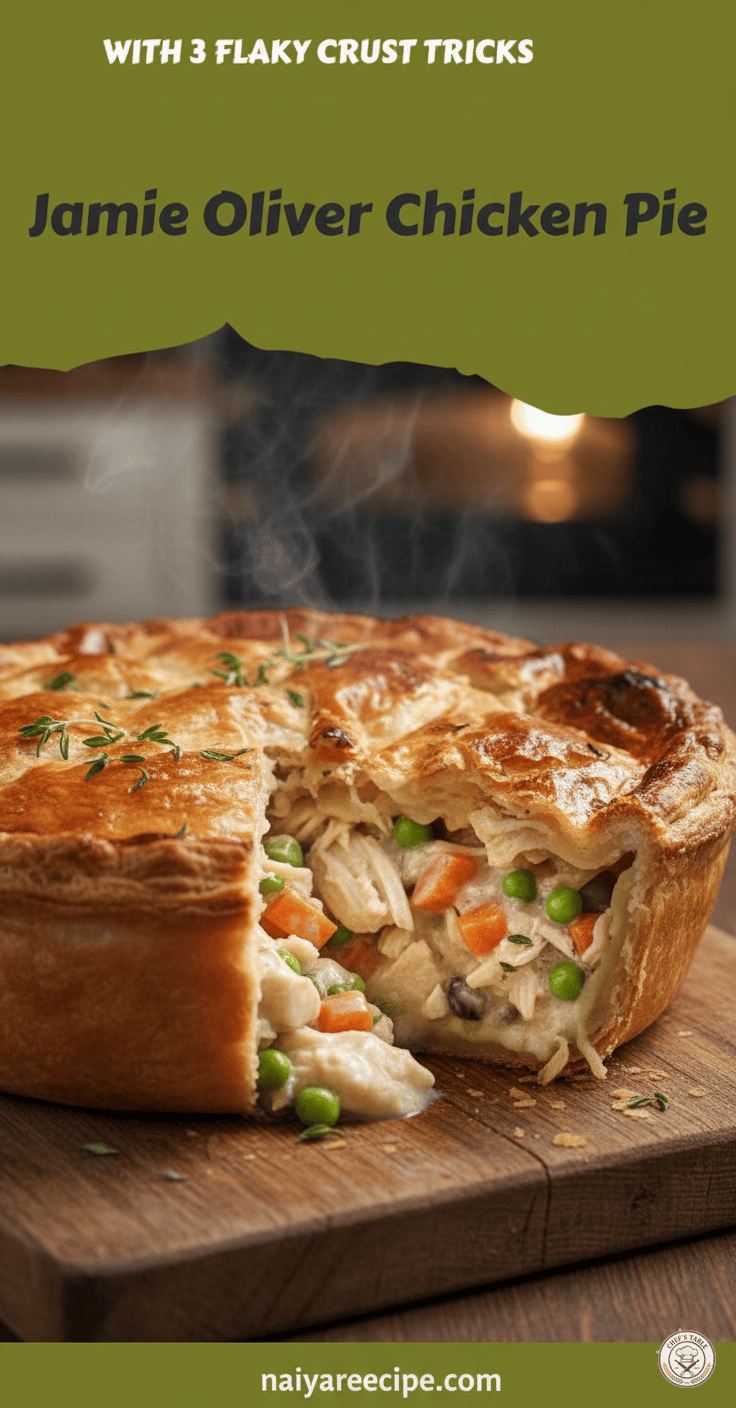
There are few things as comforting and satisfying as a golden, bubbling chicken pie, fresh from the oven. The promise of tender chicken and vegetables enveloped in a rich, creamy sauce, all crowned with a shatteringly flaky pastry crust, is enough to make anyone’s mouth water. And when it comes to iconic, achievable comfort food, Jamie Oliver’s Chicken Pie recipe stands out as a true champion. It’s a dish that feels both special and utterly homely, perfect for a family dinner, a cozy night in, or even a celebratory meal.
This isn’t just any chicken pie; it’s a recipe that focuses on flavor, simplicity, and those crucial elements that elevate a good pie to a truly great one. We’re going to dive deep into making this Jamie Oliver classic, and along the way, I’ll share three essential tricks to ensure your pastry crust is so flaky, it practically melts in your mouth. Get ready to impress your taste buds and everyone at your table!
The Heart of the Pie: A Rich and Savory Filling
Before we even think about that glorious crust, let’s talk about the soul of the pie: the filling. Jamie Oliver’s approach to chicken pie filling is all about layering flavors without overcomplicating things. The beauty lies in the quality of the ingredients and how they are gently coaxed to release their full potential.
Ingredients for the Filling:
- Chicken: Approximately 700g (about 1.5 lbs) boneless, skinless chicken thighs or breasts. Thighs offer more flavor and tend to stay juicier, but breasts work beautifully too. You can also use leftover cooked chicken, making this an excellent way to repurpose a roasted bird.
- Aromatics: 1 large onion, finely chopped; 2 cloves garlic, minced.
- Vegetables: 2 carrots, peeled and diced; 2 celery stalks, diced; 150g (about 1 cup) frozen peas. Feel free to add other favorites like mushrooms, leeks, or green beans.
- Herbs: A handful of fresh thyme sprigs and fresh parsley, chopped. Dried herbs can be used in a pinch, but fresh truly makes a difference here.
- Broth: 500ml (2 cups) good quality chicken broth. Opt for low-sodium if possible to control the seasoning.
- Thickener: 2 tablespoons plain flour (all-purpose flour).
- Creaminess: 150ml (about ⅔ cup) whole milk or light cream.
- Fat: 2 tablespoons olive oil or unsalted butter for sautéing.
- Seasoning: Salt and freshly ground black pepper to taste. A pinch of nutmeg also adds a wonderful subtle warmth.
Preparing the Filling: Step-by-Step
- Prepare the Chicken: If using raw chicken, dice it into 1-inch pieces. Season generously with salt and pepper.
- Sauté Aromatics: Heat the olive oil or butter in a large, heavy-bottomed pot or Dutch oven over medium heat. Add the chopped onion and cook gently until softened and translucent, about 5-7 minutes. Add the minced garlic and cook for another minute until fragrant, being careful not to burn it.
- Add Vegetables: Stir in the diced carrots and celery. Cook for about 8-10 minutes, stirring occasionally, until they start to soften slightly.
- Cook Chicken (if raw): If using raw chicken, add it to the pot and cook until lightly browned on all sides and no longer pink. If using pre-cooked chicken, you can add it later with the broth.
- Build the Sauce Base: Sprinkle the flour over the vegetables and chicken (if raw). Stir well and cook for 1-2 minutes, allowing the flour to cook out its raw taste. This creates a roux, which will thicken your sauce.
- Deglaze and Simmer: Gradually pour in the chicken broth, stirring constantly to prevent lumps. Bring the mixture to a gentle simmer, then reduce the heat to low. Add the fresh thyme sprigs. If using pre-cooked chicken, add it now.
- Add Creaminess: Stir in the milk or cream. Continue to simmer gently for about 10-15 minutes, allowing the sauce to thicken and the flavors to meld. The vegetables should be tender.
- Finish the Filling: Remove the thyme sprigs. Stir in the frozen peas and chopped fresh parsley. Cook for another 2-3 minutes until the peas are heated through. Taste and adjust seasoning with salt, pepper, and a pinch of nutmeg if desired. The filling should be well-seasoned, as the pastry will be quite plain.
- Cool Slightly: It’s important to let the filling cool down slightly before spooning it into your pie dish. A hot filling can make your pastry soggy.
The Crowning Glory: Flaky Pastry Crust Perfection
Now for the star of the show (besides the delicious filling, of course!): the pastry. A truly flaky crust elevates a chicken pie from good to unforgettable. Jamie Oliver often champions simplicity and good technique, and that’s exactly what we’re going for here. You can use store-bought puff pastry for convenience, but making your own shortcrust pastry is incredibly rewarding and allows you to control the flakiness.
Ingredients for Shortcrust Pastry (for a 23-25cm / 9-10 inch pie dish):
- 250g (2 cups) plain flour (all-purpose flour), plus extra for dusting
- 125g (½ cup + 1 tbsp) cold unsalted butter, cut into small cubes
- ½ teaspoon salt
- Approximately 60-80ml (¼ – ⅓ cup) ice-cold water
- 1 egg yolk, beaten with a splash of milk or water (for egg wash)
The 3 Flaky Crust Tricks: Your Secret Weapons
These three techniques are essential for achieving that coveted flaky texture:
- Trick #1: Keep Everything COLD! This is paramount. Cold butter creates steam when it hits the hot oven, which pushes the layers of pastry apart, creating flakiness. If your butter melts into the flour before baking, you’ll end up with a tough, dense crust.
- How to do it: Use cold butter straight from the fridge. You can even chill your flour and mixing bowl in the freezer for 10-15 minutes before starting. Use ice-cold water for binding the dough. Handle the dough as little as possible, and quickly, to prevent the butter from warming up.
- Trick #2: Don’t Overwork the Dough! Overworking develops the gluten in the flour, leading to a tough, chewy crust instead of a tender, flaky one. We want just enough gluten developed to hold the pastry together, but not so much that it loses its delicate texture.
- How to do it: When mixing, stop as soon as the dough comes together. Don’t knead it like bread dough. For shortcrust, the goal is just to barely bring it together. You should still see small specks of butter in the dough – these are crucial for flakiness.
- Trick #3: Rest, Rest, REST! Chilling the dough twice is key. The first chill allows the gluten to relax, making the dough easier to roll out and preventing shrinkage during baking. The second chill, after the pie is assembled, ensures the butter is thoroughly cold before it hits the oven, maximizing flakiness.
- How to do it: After forming the dough into a disc, wrap it tightly and chill for at least 30 minutes (or up to 2 days). After assembling the pie, chill it again for at least 20-30 minutes before baking.
Making the Shortcrust Pastry:
- Combine Dry Ingredients: In a large bowl, whisk together the flour and salt.
- Cut in Butter: Add the cold, cubed butter to the flour. Using your fingertips, a pastry blender, or a food processor (pulsing briefly), quickly rub or cut the butter into the flour until the mixture resembles coarse breadcrumbs with some pea-sized pieces of butter remaining. Remember Trick #1 & #2!
- Add Cold Water: Gradually add the ice-cold water, a tablespoon at a time, mixing lightly with a fork or your hands, until the dough just comes together. Be careful not to add too much water; the dough should be soft but not sticky.
- Form and Chill: Gently gather the dough into a disc. Wrap it tightly in plastic wrap and chill in the refrigerator for at least 30 minutes (or up to an hour) – this is Trick #3!
Assembling and Baking Your Jamie Oliver Chicken Pie
With your flavorful filling and perfectly chilled pastry ready, it’s time to bring it all together.
Assembly Instructions:
- Preheat Oven: Preheat your oven to 200°C (400°F). Place an oven rack in the lower-middle position.
- Roll Out Pastry: On a lightly floured surface, roll out your chilled pastry dough into a circle about 2-3 inches larger than your pie dish. Aim for about ⅛-inch thickness.
- Fill Pie Dish: Spoon the cooled chicken filling into your pie dish. Make sure it’s not overflowing.
- Top with Pastry: Carefully drape the rolled-out pastry over the filling. Trim the edges, leaving about an inch of overhang.
- Seal the Edges: Crimp the edges of the pastry to the rim of the pie dish. You can use your fingers, a fork, or a decorative crimping tool. Make sure it’s well-sealed to prevent the filling from bubbling out too much.
- Vent the Pie: Cut a few slits in the top of the pastry. This allows steam to escape during baking, preventing a soggy or burst crust.
- Egg Wash: Brush the top of the pastry evenly with the beaten egg yolk mixture. This will give your pie a beautiful golden-brown, glossy finish.
- Second Chill (Optional, but Recommended for Trick #3!): For extra flakiness, pop the assembled pie back into the refrigerator for 15-20 minutes before baking. This re-chills the butter in the pastry.
Baking Instructions:
- Bake Initial: Place the pie on a baking sheet (to catch any potential spills) and bake in the preheated oven for 20-25 minutes, or until the pastry is golden brown and puffed up.
- Reduce Heat: Reduce the oven temperature to 180°C (350°F). If the crust is browning too quickly, you can loosely tent the edges with aluminum foil.
- Continue Baking: Continue to bake for another 25-35 minutes, or until the filling is bubbling thickly and the crust is deeply golden and cooked through.
- Rest: Once out of the oven, let the pie rest for at least 10-15 minutes before serving. This allows the filling to set, making it easier to slice and preventing it from being too runny.
Serving Suggestions
Jamie Oliver’s Chicken Pie is a meal in itself, but it pairs wonderfully with simple sides.
- A fresh, crisp green salad with a light vinaigrette
- Steamed green vegetables like broccoli or green beans
- Creamy mashed potatoes (if you’re feeling extra indulgent, though the pie is quite hearty!)
- Roasted root vegetables
Troubleshooting Your Pie
- Soggy Bottom: This is often due to a hot filling, insufficient chilling of the pastry, or not preheating the oven hot enough. Ensure your filling is cooled, and consider baking on a preheated baking stone or metal sheet for better bottom crust crisping.
- Crust Too Pale: Not enough egg wash, or not baked long enough. Don’t be afraid to let it get deeply golden!
- Filling Too Thin: You might need to cook the sauce a bit longer to reduce, or next time, add a touch more flour to your roux.
Crust Shrinks: Overworked dough or not chilling the dough enough. Remember Trick #2 and #3!*
Why This Jamie Oliver Chicken Pie is a Must-Try
This recipe isn’t just about following steps; it’s about understanding the “why” behind each action. Jamie Oliver’s brilliance lies in demystifying classic dishes, making them accessible yet incredibly delicious. By focusing on fresh ingredients, building layers of flavor, and employing those simple yet effective pastry tricks, you’re not just making a chicken pie; you’re crafting a culinary experience.
Imagine cutting into that golden, steaming pie, the aroma of herbs and savory chicken filling wafting up, and then experiencing the tender, flaky crunch of the pastry. It’s a moment of pure comfort and joy. This recipe empowers you to create that moment in your own kitchen. It’s robust enough for a chilly evening and elegant enough for a special gathering.
So, gather your ingredients, take a deep breath, and get ready to create a chicken pie that would make Jamie Oliver proud. Your kitchen will smell incredible, and your taste buds will thank you. Happy baking!
naiyarecipe.com