
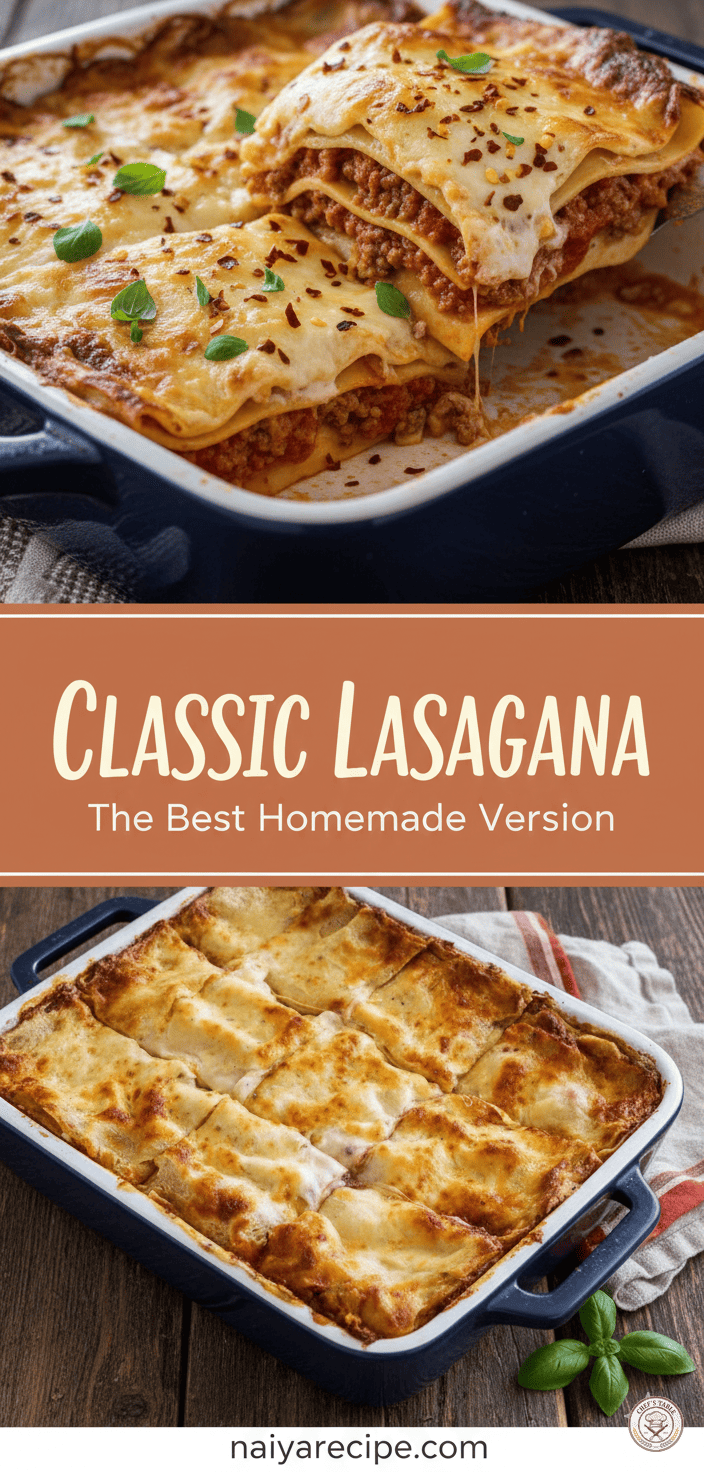
Lasagna. Just the word itself conjures images of warm, comforting layers of pasta, rich meat sauce, creamy béchamel, and melted, golden cheese. It’s a dish that transcends cultures and generations, bringing families together around the dinner table. While countless variations exist, there’s something truly special about a classic homemade lasagna – the kind that takes a little time, a lot of love, and leaves your house smelling absolutely incredible. This recipe aims to deliver just that: a truly authentic, deeply flavorful, and utterly satisfying classic lasagna that will become a cherished staple in your kitchen.
Forget those dry, flavorless versions you might have encountered. Our focus here is on creating a lasagna with depth in every bite. We’ll build layers of robust meat ragù, silky béchamel sauce, tender pasta, and a generous blend of cheeses, ensuring a harmonious balance that will have everyone reaching for seconds. This isn’t just a recipe; it’s an experience, a journey into the heart of Italian comfort food, meticulously crafted to be the best homemade version you’ll ever make.
The Foundation: A Rich and Flavorful Meat Ragù
The heart and soul of any great lasagna is its meat sauce, or ragù. This isn’t a quick marinara; it’s a slow-cooked masterpiece that allows flavors to meld and deepen, creating a sauce that is truly complex and irresistible.
Ingredients for the Ragù:
- 2 tablespoons olive oil
- 2 medium onions, finely chopped
- 4 cloves garlic, minced
- 2 pounds ground beef (lean or regular, depending on preference)
- 1 (28 ounce) can crushed tomatoes
- 1 (15 ounce) can tomato sauce
- 1 (6 ounce) can tomato paste
- 1 cup beef broth or water
- 2 teaspoons dried oregano
- 1 teaspoon dried basil
- 1/2 teaspoon red pepper flakes (optional, for a little kick)
- 2 bay leaves
- Salt and freshly ground black pepper to taste
- A pinch of sugar (to balance acidity)
Instructions for the Ragù:
- Sauté Aromatics: Heat the olive oil in a large, heavy-bottomed pot or Dutch oven over medium heat. Add the chopped onions and cook until softened and translucent, about 8-10 minutes. Add the minced garlic and cook for another minute until fragrant, being careful not to burn it.
- Brown the Meat: Add the ground beef to the pot. Break it up with a spoon and cook until it is fully browned, crumbling it as you go. Drain any excess fat from the pot.
- Build the Flavor Base: Stir in the tomato paste and cook for 2-3 minutes, stirring constantly. This step helps to deepen the tomato flavor.
- Add Tomatoes and Liquids: Pour in the crushed tomatoes, tomato sauce, and beef broth (or water). Add the dried oregano, dried basil, red pepper flakes (if using), bay leaves, a pinch of sugar, and season generously with salt and black pepper.
- Simmer and Develop: Bring the sauce to a gentle simmer. Once simmering, reduce the heat to low, cover the pot, and let it cook for at least 1.5 to 2 hours, or even longer for a richer flavor. Stir occasionally to prevent sticking. The longer it simmers, the more the flavors will develop. If the sauce becomes too thick, you can add a little more broth or water. Remove the bay leaves before assembling the lasagna.
The Creamy Counterpart: Velvety Béchamel Sauce
While many American-style lasagnas rely heavily on ricotta cheese, a true Italian classic often features a luscious béchamel sauce. This creamy, white sauce adds an unparalleled richness and silkiness that beautifully complements the robust meat ragù, creating a perfect balance of textures and flavors. It acts as a binder and a flavor enhancer, preventing the lasagna from becoming dry and adding an extra layer of indulgence.
Ingredients for the Béchamel:
- 6 tablespoons unsalted butter
- 6 tablespoons all-purpose flour
- 4 cups whole milk, warmed
- 1/2 teaspoon salt
- 1/4 teaspoon freshly ground white pepper (or black pepper)
- Pinch of freshly grated nutmeg (essential for classic béchamel)
Instructions for the Béchamel:
- Melt Butter: In a medium saucepan, melt the butter over medium heat.
- Make a Roux: Add the flour to the melted butter and whisk constantly for 2-3 minutes to create a smooth paste, or roux. Cook it gently to remove the raw flour taste, but don’t let it brown.
- Whisk in Milk: Gradually whisk in the warmed milk, a little at a time, ensuring each addition is fully incorporated before adding more. Continue whisking constantly to prevent lumps.
- Thicken: Continue to cook over medium heat, whisking frequently, until the sauce thickens enough to coat the back of a spoon, about 8-10 minutes.
- Season: Remove from heat and stir in the salt, pepper, and nutmeg. Taste and adjust seasoning if needed. Keep warm, covered with plastic wrap directly on the surface to prevent a skin from forming.
The Cheesy Goodness: A Blend of Perfection
No lasagna is complete without a generous amount of cheese. For our classic version, we’re combining traditional favorites that melt beautifully and add incredible flavor.
Ingredients for the Cheese Layer:
- 1 pound mozzarella cheese, shredded (low-moisture, part-skim works best for melting)
- 1 cup freshly grated Parmesan cheese
- 1/2 cup grated Pecorino Romano cheese (optional, for extra sharp flavor)
Instructions for the Cheese Layer:
- In a medium bowl, combine the shredded mozzarella, Parmesan, and Pecorino Romano (if using). Toss gently to combine. This mixture will be distributed throughout the layers.
The Pasta: Fresh or Dried?
The choice of pasta can significantly impact your lasagna.
- No-Boil Lasagna Noodles: These are convenient and save time, as they absorb moisture from the sauces during baking. However, some brands can be a bit thin.
- Traditional Lasagna Noodles (Dried): These require pre-boiling. Cook them al dente according to package directions, then drain and rinse with cold water to prevent sticking. Lay them flat on parchment paper or a clean kitchen towel to cool.
- Fresh Lasagna Sheets: If you’re feeling ambitious, homemade fresh pasta sheets are truly exceptional and will elevate your lasagna to another level. They cook beautifully and have a wonderfully tender texture.
For this classic version, either traditional dried noodles (pre-boiled) or no-boil noodles will work well. If using no-boil, ensure your sauces are adequately moist.
Assembling Your Masterpiece: The Layering Process
Now for the fun part – bringing all the components together! This recipe uses a standard 9×13 inch baking dish.
Preheat Oven: Preheat your oven to 375°F (190°C).
Gather Your Components:
- Meat Ragù (warm)
- Béchamel Sauce (warm)
- Cheese mixture
- Lasagna noodles (cooked and drained, or no-boil)
- A little extra grated Parmesan for the top
Layering Instructions:
- Sauce Base: Spread a thin layer of meat ragù (about 1/2 cup) on the bottom of your 9×13 inch baking dish. This prevents the noodles from sticking and provides a flavorful base.
- First Noodle Layer: Arrange a layer of lasagna noodles over the ragù. Depending on your noodles, you may need to overlap them slightly or break some to fit.
- Béchamel: Spread about 1/3 of the béchamel sauce evenly over the noodles.
- Meat Ragù: Spoon about 1/4 of the meat ragù over the béchamel, spreading it evenly.
- Cheese: Sprinkle generously with about 1/4 of your cheese mixture.
- Repeat: Place another layer of noodles.
- Repeat Steps 3-5: Continue layering with béchamel, ragù, and cheese, until you have used all your ingredients, ending with a final layer of noodles topped with béchamel, the remaining cheese mixture, and a final sprinkle of Parmesan. You should aim for 3-4 layers of noodles in total.
Pro Tip for Layering: Don’t overdo the sauce on each layer; a balanced distribution is key to prevent a soupy lasagna. You want enough to moisten, but not drown, the noodles.
Baking to Golden Perfection
Once assembled, your lasagna is ready for its final transformation in the oven.
- Cover: Cover the baking dish tightly with aluminum foil.
- Bake (Covered): Bake for 25 minutes. Covering helps the noodles cook through evenly and prevents the top from browning too quickly.
- Uncover and Finish: Remove the foil and continue baking for another 20-30 minutes, or until the top is golden brown and bubbly, and the cheese is melted and slightly caramelized. If you notice the edges browning too quickly, you can loosely cover them with foil.
- Rest: This step is crucial! Once out of the oven, let the lasagna rest for at least 15-20 minutes before slicing and serving. This allows the layers to set and prevents the lasagna from falling apart when you cut into it. If you cut it too soon, it will be messy, no matter how perfectly you layered it.
Serving Suggestions and Variations
Serve your classic homemade lasagna with a simple green salad dressed with a light vinaigrette and some crusty bread to soak up any extra sauce. It’s a complete meal in itself, perfect for a cozy family dinner or entertaining guests.
Optional additions and variations:
- Herbs: Fresh parsley or basil, chopped and sprinkled over the top just before serving, adds a burst of freshness.
- Vegetables: While this is a classic meat lasagna, you could incorporate finely diced carrots and celery into the ragù during the sautéing stage for even more depth.
- Spiciness: Adjust the red pepper flakes in the ragù to your preferred level of heat.
- Make Ahead: Lasagna is a fantastic make-ahead meal! You can assemble it completely, cover it tightly, and refrigerate it for up to 2 days before baking. You might need to add an extra 10-15 minutes to the covered baking time if baking directly from the fridge.
- Freezing: Cooked and cooled lasagna freezes beautifully. Wrap individual portions or the whole pan tightly in plastic wrap and then foil. Thaw in the refrigerator overnight and reheat in the oven until warmed through.
The Joy of Homemade Lasagna
There’s an undeniable satisfaction that comes from preparing a dish like classic lasagna from scratch. The aroma filling your kitchen, the anticipation as it bakes, and finally, that first glorious bite – it’s an experience that store-bought versions simply can’t replicate. This recipe is designed to guide you through each step, ensuring that even if you’re a novice, you can create a lasagna that tastes like it came straight from a generations-old Italian kitchen.
The time and effort you invest in simmering the ragù and crafting the béchamel are well worth it. These components are what elevate this lasagna from good to extraordinary. The slow cooking allows the flavors to deepen and mature, creating a sauce that is rich, complex, and utterly unforgettable. The béchamel, with its smooth, creamy texture and subtle hint of nutmeg, provides a delicate contrast to the robustness of the meat, ensuring every forkful is a perfect symphony of tastes and textures.
So, gather your ingredients, put on some music, and embark on the culinary adventure of making the best homemade classic lasagna. It’s more than just a meal; it’s a labor of love that results in comfort, warmth, and delicious memories shared around the table. Enjoy the process, savor the aroma, and most importantly, delight in the incredible taste of your own homemade masterpiece. Your family and friends will thank you!