
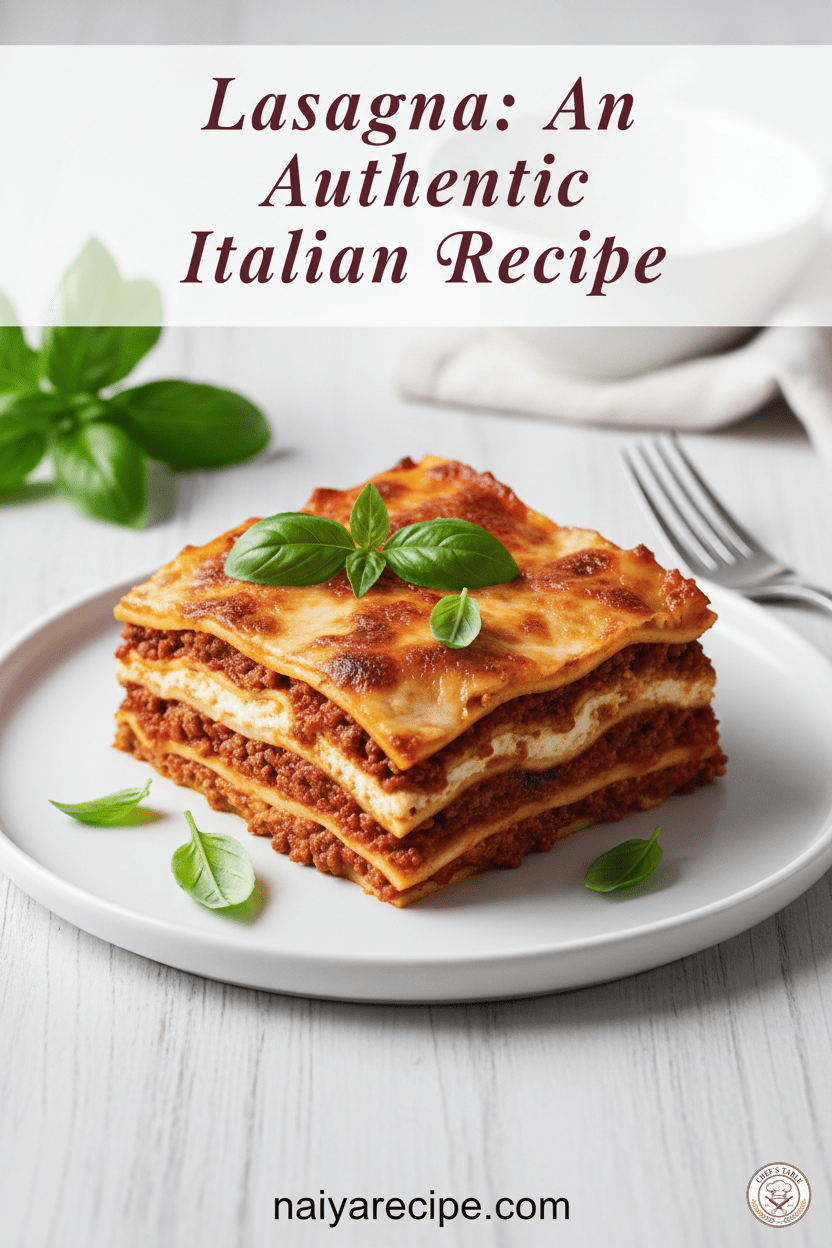
There’s something incredibly comforting and universally loved about a classic lasagna. The layers of tender pasta, rich meat sauce, creamy béchamel or ricotta, and melted cheese create a symphony of flavors and textures that evoke warmth, family, and tradition. While many variations exist, this recipe aims to bring you closer to an authentic Italian experience, focusing on fresh ingredients and time-honored techniques. Forget the quick fixes and embrace the joy of creating a culinary masterpiece from scratch.
The Heart of Lasagna: The Ragu (Meat Sauce)
A truly great lasagna begins with a magnificent ragu. This isn’t just a simple ground meat and tomato sauce; it’s a slow-cooked, deeply flavored concoction that forms the backbone of the dish.
Ingredients for the Ragu:
- 2 tablespoons olive oil
- 1 large onion, finely chopped
- 2 carrots, finely chopped
- 2 celery stalks, finely chopped
- 500g (about 1.1 lbs) ground beef (80/20 lean-to-fat ratio is ideal for flavor)
- 1 can (400g / 14 oz) crushed tomatoes
- 1 can (800g / 28 oz) peeled whole tomatoes, crushed by hand or pulsed in a food processor
- 1/2 cup beef broth or vegetable broth
- 2 bay leaves
- 1 teaspoon dried oregano
- Salt and freshly ground black pepper to taste
- A pinch of nutmeg (optional, but adds depth)
- Fresh basil leaves for garnish
Instructions for the Ragu:
- Sauté the Soffritto: Heat the olive oil in a large, heavy-bottomed pot or Dutch oven over medium heat. Add the finely chopped onion, carrots, and celery (this trio is known as “soffritto” and is the aromatic base of many Italian dishes). Sauté gently for 8-10 minutes, or until the vegetables are softened and translucent but not browned.
- Brown the Meat: Increase the heat slightly and add the ground beef. Break it up with a spoon and cook until it’s evenly browned, ensuring no pink remains. Drain off any excess fat if necessary, although a little fat adds flavor.
- Add Tomatoes and Seasonings: Stir in the crushed tomatoes and the hand-crushed whole peeled tomatoes. Add the beef broth, bay leaves, dried oregano, salt, pepper, and the optional pinch of nutmeg. Stir everything together.
- Simmer for Flavor: Bring the sauce to a gentle simmer, then reduce the heat to low, cover, and let it cook for at least 2-3 hours, or even longer (up to 4 hours), stirring occasionally. The longer it simmers, the more the flavors will meld and deepen. The sauce should become thick and rich. If it becomes too thick, you can add a little more broth or water. Taste and adjust seasonings as needed before removing from heat. Discard the bay leaves before assembling the lasagna.
The Creamy Counterpart: Ricotta or Béchamel
Traditionally, Northern Italian lasagnas often feature béchamel sauce, while Southern Italian versions frequently use a ricotta cheese mixture. Both are delicious and contribute to the lasagna’s creamy texture. For this recipe, we’ll lean into the ricotta mixture for a classic, hearty feel, but you can certainly substitute it with béchamel if you prefer.
Ingredients for the Ricotta Mixture:
- 500g (about 2 cups) fresh ricotta cheese (whole milk ricotta is best)
- 1 large egg
- 1/2 cup grated Parmesan cheese, plus extra for sprinkling
- 1/4 cup chopped fresh parsley
- Salt and freshly ground black pepper to taste
Instructions for the Ricotta Mixture:
- In a medium bowl, combine the ricotta cheese, egg, grated Parmesan, and fresh parsley.
- Season with salt and freshly ground black pepper. Mix everything well until fully combined. Set aside.
The Pasta: Fresh or Dried
The type of pasta you use can make a difference. Fresh pasta sheets cook quickly and have a wonderfully tender texture. Dried lasagna noodles are more common and also work beautifully. If using dried, no-boil noodles can save time, but many prefer the texture of traditional dried noodles that are briefly par-boiled.
For Dried Lasagna Noodles (Oven-Ready/No-Boil):
- Follow package instructions. Often, these don’t require pre-cooking.
For Traditional Dried Lasagna Noodles (Requiring Pre-Boiling):
- 12-16 lasagna noodles (enough for 3-4 layers in your baking dish)
- Salt for the boiling water
- Cook according to package directions until al dente (slightly firm). Drain, rinse with cold water to prevent sticking, and lay them flat on parchment paper or a clean kitchen towel.
For Fresh Lasagna Noodles:
- You’ll need roughly the same amount as dried. These often don’t require pre-boiling; they cook right in the oven with the sauce.
The Cheese: A Melty Layer of Goodness
Beyond the Parmesan in the ricotta, a generous amount of mozzarella cheese is essential for that gooey, stretchy pull.
Ingredients for Cheese Layers:
- 400g (about 14 oz) low-moisture mozzarella cheese, shredded or thinly sliced
Assembling Your Masterpiece
This is where all your hard work comes together!
Additional Equipment:
- 9×13-inch (23×33 cm) baking dish
Assembly Instructions:
- Preheat Oven: Preheat your oven to 190°C (375°F).
- Prepare the Dish: Spread a thin layer of ragu on the bottom of your baking dish. This prevents the pasta from sticking and provides a flavorful base.
- First Pasta Layer: Lay a single layer of lasagna noodles over the ragu. If using traditional dried noodles, overlap them slightly if necessary to cover the bottom of the dish. For fresh noodles, you might need to trim them to fit.
- Ricotta Layer: Spread about one-third of the ricotta mixture evenly over the pasta.
- Ragu Layer: Spoon about one-quarter of the ragu over the ricotta.
- Mozzarella Layer: Sprinkle about one-quarter of the shredded mozzarella over the ragu.
- Repeat Layers:
- Place another layer of pasta.
- Spread another third of the ricotta mixture.
- Spoon another quarter of the ragu.
- Sprinkle another quarter of the mozzarella.
- Final Layers:
- Place the final layer of pasta.
- Spread the remaining ragu.
- Top generously with the remaining mozzarella.
- Sprinkle with extra grated Parmesan cheese.
- Cover and Bake: Cover the baking dish tightly with aluminum foil. This helps to steam the pasta and cheese, ensuring everything cooks through without drying out.
- Bake for 25 minutes.
- Uncover and Brown: Remove the foil. Increase the oven temperature to 200°C (400°F) if desired, or keep it at 190°C (375°F). Continue baking for another 15-20 minutes, or until the cheese is melted, bubbly, and beautifully golden brown on top. If you like a crispier top, you can even put it under the broiler for a minute or two (watch carefully to prevent burning!).
Rest and Serve
This step is crucial and often overlooked!
- Resting: Once out of the oven, let the lasagna rest for at least 15-20 minutes before slicing and serving. This allows the layers to set, making it easier to cut and preventing it from falling apart. It also allows the bubbling cheese and sauce to cool slightly, making it more enjoyable to eat.
- Garnish: Garnish with fresh basil leaves just before serving for a pop of color and fresh aroma.
Tips for the Perfect Lasagna
- Don’t Rush the Ragu: The longer the ragu simmers, the better it will taste. You can even make the ragu a day in advance; its flavor will only deepen overnight.
- Balance Your Flavors: Taste your ragu and ricotta mixture as you go. Adjust salt, pepper, and herbs to your preference.
- Don’t Overcook Pasta (If Pre-Boiling): If using traditional dried noodles that require boiling, cook them just until al dente. They will continue to cook in the oven, and you want them to be tender but not mushy.
- Prevent Sticky Noodles: If pre-boiling, lay your noodles flat after rinsing them with cold water to prevent them from sticking together. A little olive oil on the noodles can also help.
- Moisture is Key: Ensure there’s enough sauce to keep the lasagna moist. The pasta needs liquid to absorb and cook properly in the oven.
- Fresh Ingredients: Whenever possible, use fresh ingredients. Fresh ricotta, quality tomatoes, and fresh herbs truly elevate the dish.
- Freezing Leftovers: Lasagna freezes beautifully! Once cooled, cut into individual portions, wrap tightly in plastic wrap, and then in foil. Thaw in the refrigerator overnight and reheat in the oven or microwave.
- Serving Suggestions: A simple green salad with a light vinaigrette and some crusty bread are perfect accompaniments to a rich lasagna.
Why This Recipe Works
This recipe prioritizes flavor development and proper technique. The slow-simmered ragu creates a depth that cannot be achieved with quick sauces. The careful layering ensures that each bite offers a perfect balance of pasta, rich meat sauce, creamy ricotta, and melted cheese. It’s a dish that takes time, but the reward is a truly authentic and incredibly satisfying culinary experience that will impress family and friends alike.
Embrace the process, savor the aromas filling your kitchen, and enjoy the delicious fruits of your labor. This lasagna is more than just a meal; it’s a celebration of good food and shared moments. Buon appetito!
For more delightful recipes, visit naiyarecipe.com.